
When temperatures drop, staying warm becomes one of the biggest challenges for outdoor athletes. Runners, cyclists, hikers, and winter sports enthusiasts all face the same dilemma: how can you maintain body comfort without wearing so many layers that movement becomes difficult?
Heated base layers promise an interesting solution. By integrating electric heating elements into wearable garments, they aim to deliver adjustable warmth exactly where it is needed. But are heated base layers genuinely useful performance apparel, or are they simply an expensive alternative to traditional thermal underwear?
The answer depends on your activity, climate, comfort preferences, and the technology behind the garment.
1. What Is Heated Base Layer Clothing?
A traditional thermal base layer works by managing moisture and supporting heat retention. It sits close to the skin and forms the foundation of a layering system, helping keep the body comfortable during outdoor activities.
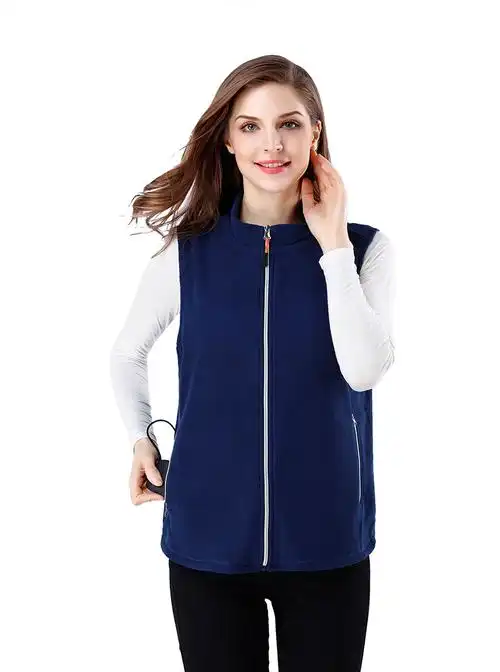
A heated base layer adds another component: a powered heating system. Depending on the design, thin heating elements may be integrated into areas such as the chest, back, or abdomen. A rechargeable battery supplies the energy, while a controller allows the wearer to select different heat settings.
Most heated clothing is designed to provide supplemental warmth rather than replace a complete cold-weather clothing system.
For example, a heated undershirt can be worn beneath a running jacket during a cold morning workout. A heated base layer may also appeal to people who spend long periods outdoors with limited movement, such as spectators, outdoor workers, or winter campers.
The key difference is straightforward. Traditional thermal underwear relies on fabric construction and layering, while heated clothing actively generates additional heat.
2. The Real Benefits of Heated Innerwear
The biggest advantage of heated innerwear is adjustable warmth.
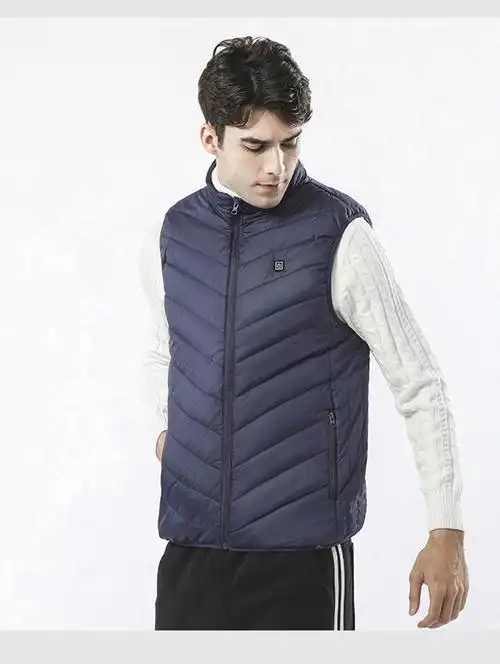
Targeted heating: Heating elements can concentrate warmth around selected areas instead of requiring the wearer to add another thick layer over the entire body.
Flexible temperature control: Multiple heat settings allow users to adjust warmth according to changing weather and personal comfort.
Reduced dependence on bulky layers: In some situations, a heated garment can provide useful warmth without adding the same amount of insulation as another thick clothing layer.
Greater comfort during low-activity periods: Heated clothing can be particularly appealing during breaks, outdoor events, camping trips, and other activities where the body produces less heat through movement.
For outdoor athletes, these benefits can be valuable during cold-weather training. However, heated clothing is not automatically superior to conventional thermal wear. Battery weight, charging requirements, garment fit, and temperature control all influence the overall experience.
3. When Does Heated Clothing Become a Gimmick?
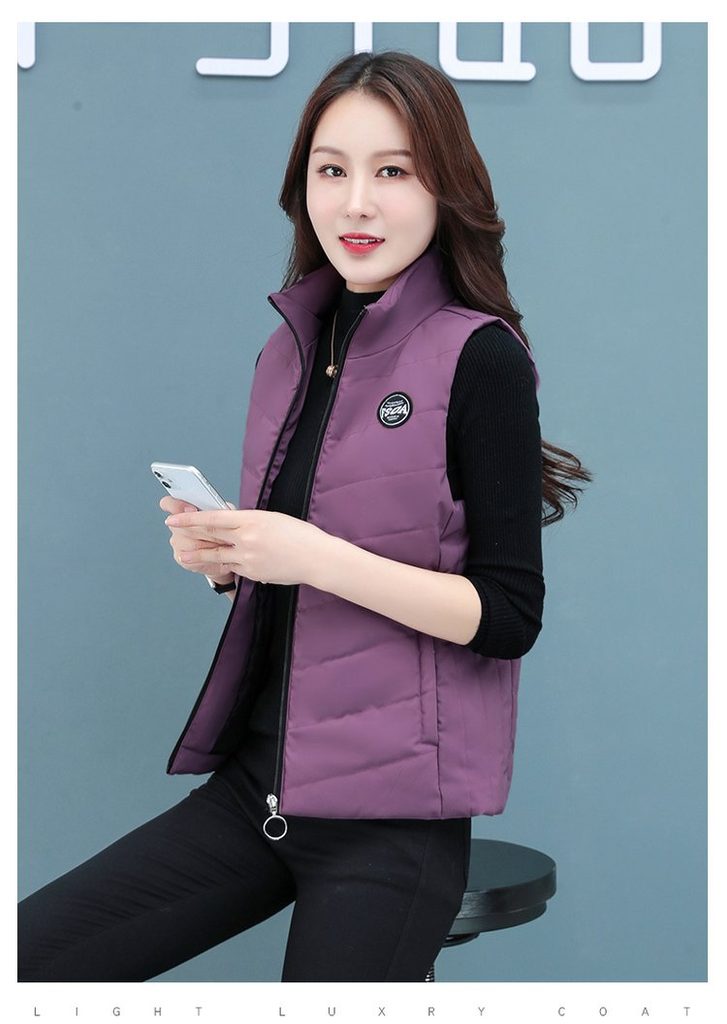
Not every heated garment is worth the investment. Some products make impressive promises but offer limited practical advantages for the intended activity.
One common issue is battery performance. Advertised runtime may depend on the selected heat setting, ambient temperature, battery capacity, and operating conditions. Higher heat settings generally consume more energy, so buyers should examine realistic runtime information rather than relying on a single headline figure.
Another consideration is breathability. Running generates substantial body heat and perspiration. A garment that traps excessive moisture may feel uncomfortable even if its heating system works well. For high-intensity exercise, moisture management and ventilation can be more important than maximum heat output.
Weight and flexibility also matter. Heating elements, wiring, controllers, and batteries can affect how a garment fits and moves. A base layer that feels restrictive during running may be better suited to walking, commuting, or stationary outdoor activities.
Finally, price deserves careful consideration. If you exercise primarily in cool rather than freezing conditions, a well-designed thermal base layer combined with a lightweight windproof jacket may provide sufficient comfort at a lower cost.
Heated innerwear becomes a questionable purchase when its features do not match your actual needs.
4. Heated Base Layers vs. Traditional Thermal Underwear
Which option should you choose? Start by considering your typical environment and exercise intensity.
Traditional thermal underwear is often the practical choice for regular running, gym training, and activities where body heat rises quickly. Modern synthetic fabrics and merino wool blends can provide useful insulation and moisture management without batteries or charging.
Heated base layers may be more attractive in consistently cold environments, during long outdoor sessions, or when adjustable supplemental warmth is especially valuable.
Here is a simple comparison:
- Warmth: Traditional base layers retain body heat; heated garments can actively add warmth.
- Convenience: Traditional options require no charging, while heated garments need battery management.
- Weight: Conventional thermal wear is often lighter, depending on the garment and materials.
- Temperature control: Heated clothing generally offers more direct adjustment.
- Maintenance: Both require appropriate care, but heated garments need additional attention to battery removal, electrical components, and manufacturer instructions.
- Cost: Traditional thermal underwear is usually the more economical starting point.
Neither option is universally better. The right choice is the one that matches your activity, climate, and budget.
5. How to Choose the Right Heated Innerwear
Before buying heated thermal underwear, evaluate the features that affect everyday use.
Start with the heating zones. Look for a layout that suits your activity and provides warmth where you want it. Next, check the battery specifications, including capacity, charging time, and estimated runtime at different settings.
Fabric construction deserves equal attention. A good base layer should fit comfortably, move with your body, and manage perspiration effectively. For running and other high-output sports, lightweight stretch fabrics are particularly important.
Also review washing instructions, battery removal requirements, and the manufacturer’s guidance on safe operation. Avoid garments with unclear electrical specifications or inadequate care instructions.
Most importantly, think about how often you will use the heating function. A premium heated garment makes more sense when adjustable warmth solves a recurring problem rather than an occasional inconvenience.
6. Smarter Layering: The Foundation of Cold-Weather Comfort
Even the best heated innerwear works most effectively as part of a complete clothing system.
Begin with a moisture-managing base layer. Add an insulating layer when conditions demand it, then choose an outer layer that provides suitable wind and weather protection. Adjust the combination to your workout intensity and the expected temperature.
For runners, it is important to avoid overheating. You may feel slightly cool at the beginning of a run, but your body will generate additional heat as exercise continues. Select layers that allow ventilation and adapt to changing conditions.
Heated garments should also be used according to the manufacturer’s safety instructions. They are supplemental comfort products, not substitutes for appropriate insulation or protection against extreme cold.
Final Verdict: Technology Worth Considering?
Heated base layers are not simply a gimmick, but they are not essential for everyone either.
They offer genuine practical advantages when adjustable warmth is difficult to achieve through ordinary layering alone. However, for many runners and fitness enthusiasts, breathable thermal underwear, effective layering, and weather-appropriate outerwear remain excellent solutions.
At Monsoon Apparel, performance begins with understanding the conditions in which clothing will be worn. Whether you prefer traditional thermal base layers or are considering heated innerwear, prioritize comfort, mobility, moisture management, and reliable construction.
The smartest clothing technology is not necessarily the most complicated. It is the technology that solves a real problem and makes your outdoor experience more comfortable.
Before investing in heated innerwear, ask yourself one simple question: Do you need active heating, or would better-designed thermal clothing meet your needs? Answer that