Every clothing brand eventually faces a critical manufacturing crossroad: deciding how to color their fabrics. The choice between piece dyeing and yarn dyeing is not merely a technical production detail; it is a strategic business decision that directly impacts your brand’s financial health, inventory management, and product quality. For designers and production managers navigating the complex world of textile manufacturing, understanding the intricate balance between Minimum Order Quantities (MOQs) and color saturation is essential. At Monsoon Apparel, we know that selecting the right dyeing method can be the defining factor that makes or breaks a seasonal collection.
To build a profitable, high-quality apparel line, you must align your fabric coloring techniques with your brand’s aesthetic goals and budgetary realities. Here is an in-depth look at how to navigate the trade-offs between piece dyeing and yarn dyeing.
The Mechanics and Merits of Piece Dyeing
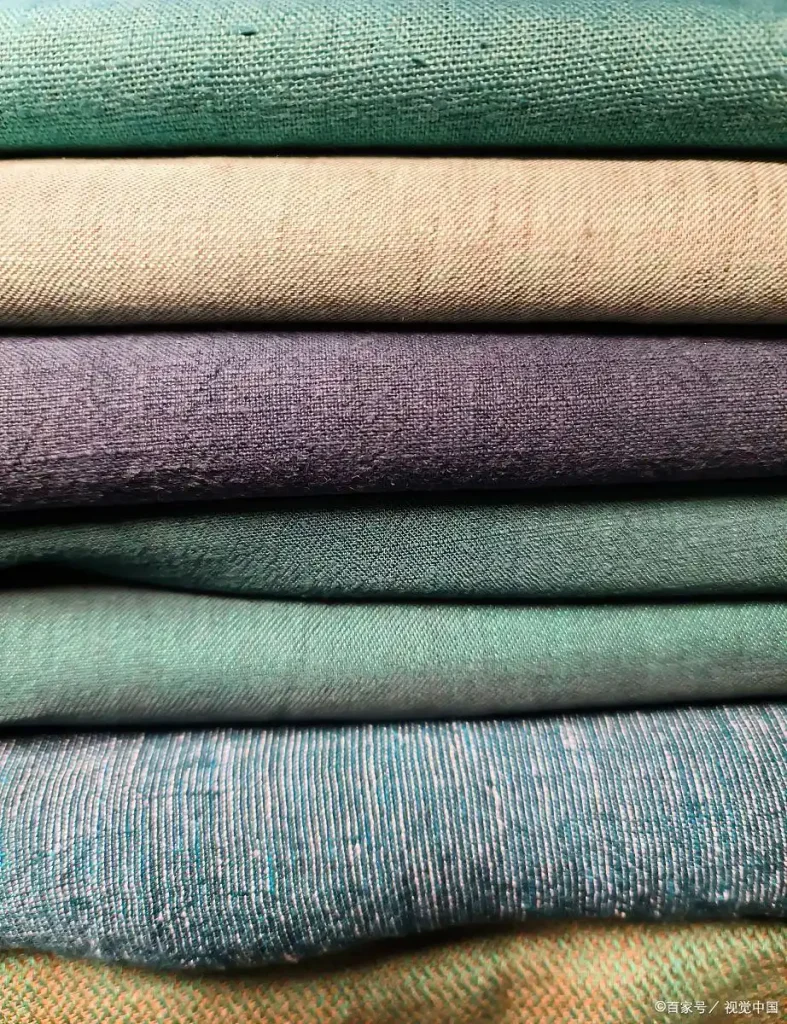
Piece dyeing involves weaving or knitting raw, untreated yarns into a “greige” (undyed) fabric roll, which is then submerged into a dye bath. This is the most common dyeing method used in the global fashion industry today, primarily favored for its high efficiency and adaptability.
- Ultimate Flexibility: Because the fabric is already constructed, brands can keep rolls of greige goods in storage and dye them at the last minute based on real-time market trends and consumer demand.
- Lower MOQs: Piece dyeing generally requires significantly lower minimum order quantities than yarn dyeing. Factories can dye smaller batches of fabric in various trending colors without having to reset complex weaving machinery.
- Speed to Market: The lead time from color selection to finished fabric is remarkably short, making this the go-to method for agile brands and fast-turnaround capsule collections.
However, the primary limitation of piece dyeing lies in color penetration. Because the yarns are already tightly woven or knitted together before the dye is introduced, the color may not fully saturate the innermost fibers of the fabric.
The Art and Richness of Yarn Dyeing
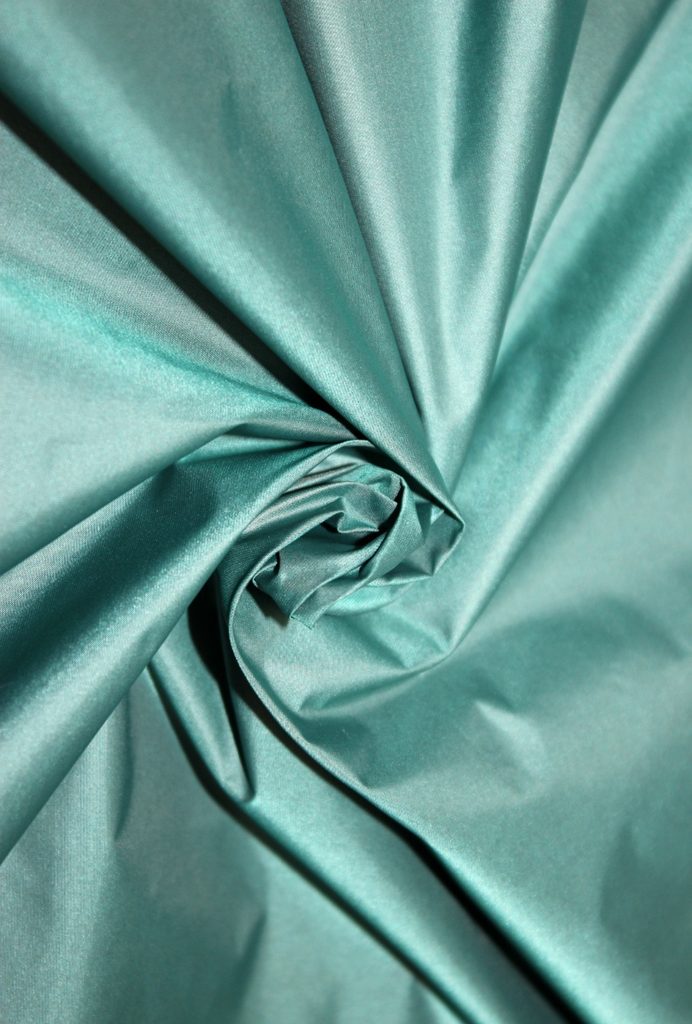
Yarn dyeing reverses the process: the individual fibers are dyed before they are ever placed on a loom or knitting machine. The dyed yarns are then woven together to create the final textile. This method is synonymous with premium apparel and complex fabric structures.
- Unmatched Color Saturation: Because each strand of yarn is fully exposed to the dye bath, the color penetrates to the core of the fiber. This results in incredibly deep, rich, and vibrant hues that remain true wash after wash.
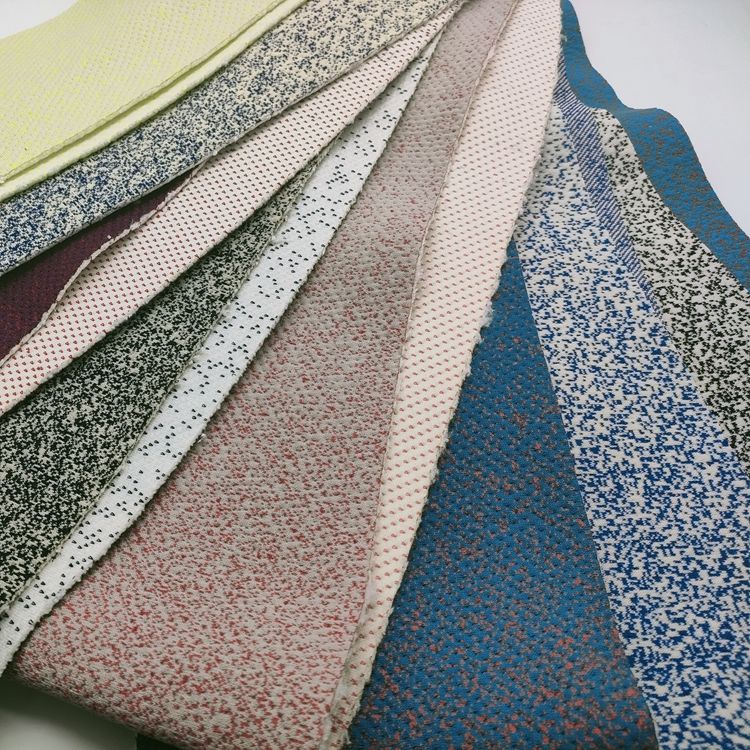
- Structural Patterns: If your collection relies on plaids, checks, stripes, or complex jacquards, yarn dyeing is an absolute necessity. These intricate designs cannot be achieved through traditional piece dyeing; they must be woven into existence using pre-colored yarns.
- Premium Handfeel: Yarn-dyed fabrics often maintain a softer, more luxurious texture, elevating the perceived value of the garment.
The significant drawback to yarn dyeing is the heavy barrier to entry. Factories must dye massive vats of yarn and set up customized looms for specific patterns, resulting in substantially higher MOQs and much longer production lead times.
Navigating the MOQ Challenge
Managing cash flow and minimizing deadstock are top priorities for any fashion label. When determining your production strategy, MOQs dictate how much capital you tie up in a single style.
For emerging brands or new product categories at Monsoon Apparel, piece dyeing acts as a crucial risk mitigation tool. By utilizing piece-dyed fabrics, you can test a wide spectrum of colors across a smaller inventory footprint. If a particular shade of emerald green or muted terracotta suddenly goes viral, you can quickly dye more greige goods to replenish stock without committing to thousands of yards upfront.
Conversely, yarn dyeing demands confidence in your product lifecycle. Because of the high volume required to weave custom yarn-dyed fabrics, this method is best reserved for your brand’s core heritage items—the timeless flannels, signature striped tees, and classic tweeds that you know will sell consistently across multiple seasons.
The Color Saturation Factor: When to Invest
While MOQs protect your bottom line, color saturation protects your brand identity. Consumers instantly recognize the difference between a flat, surface-level color and a deeply saturated, dimensional hue.
Darker, moodier colors—like navy, burgundy, and deep charcoal—often benefit immensely from yarn dyeing. A piece-dyed black cotton might begin to fade or show white lint after a few washes, whereas a yarn-dyed black garment will retain its depth and luxury aesthetic significantly longer. If your brand positioning relies on premium, heirloom-quality garments, compromising on color saturation to hit a lower MOQ can ultimately damage your reputation.
Strategic Decision-Making for Your Next Collection
Balancing these two competing elements requires a bifurcated approach to your supply chain. You do not have to choose just one method for your entire brand; the most successful labels use both strategically.
- Use Piece Dyeing for: Trend-driven seasonal colors, solid-color activewear, fast-fashion basics, and experimental capsule collections where minimizing inventory risk is paramount.
- Use Yarn Dyeing for: Intricate patterns (ginghams, tartans), premium heavy-weight knits, luxury outerwear, and permanent collection staples where longevity, colorfastness, and deep saturation justify the higher upfront investment.
By carefully evaluating the purpose of each garment within your broader catalog, you can leverage the agility of piece dyeing for your trendy pieces while reserving the rich, high-MOQ commitment of yarn dyeing for your premium staples. Understanding this balance ensures that every piece in your Monsoon Apparel collection not only looks impeccable on the rack but also makes smart financial sense behind the scenes.