The modern consumer is more conscious than ever before. Today’s shoppers are looking for more than just a flattering fit and a stylish silhouette; they want to know the story behind their clothing. As the activewear market continues to expand, a significant shift is occurring. Shoppers are turning their backs on fast fashion and demanding transparency, ethical labor practices, and environmentally friendly materials.
For an apparel brand, building a brand that aligns with these values starts at the very beginning of the supply chain. Partnering with a forward-thinking, sustainable yoga pants factory is no longer just a trend—it is an absolute necessity for long-term success. Let us explore how modern, eco-conscious manufacturing facilities are revolutionizing the production of athletic wear and protecting the planet in the process.
Sourcing Eco-Friendly and Innovative Fabrics
The traditional textile industry is notoriously resource-heavy, but a modern, green-focused manufacturing facility changes the narrative by utilizing innovative, low-impact materials.
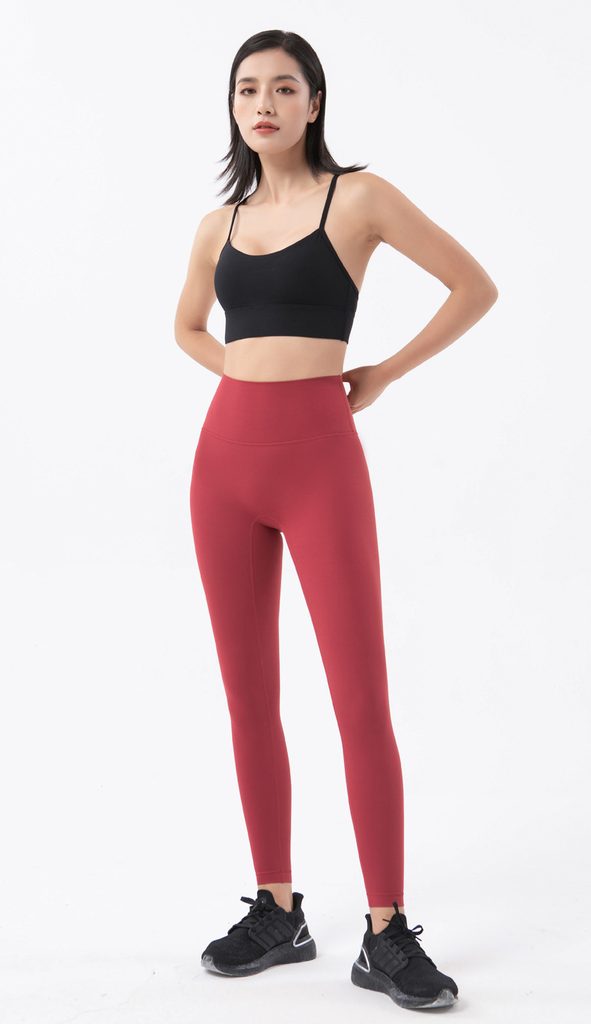
When producing eco-friendly leggings and sports bras, a premium facility will offer several sustainable fabric options:
- Recycled Polyester (rPET): This is one of the most popular sustainable fabrics in the athletic wear industry. It is created by rescuing post-consumer plastic water bottles from landfills and oceans, melting them down, and spinning them into high-performance, moisture-wicking yarn.
- Regenerated Nylon: Similar to rPET, regenerated nylon is made by rescuing industrial waste, such as discarded fishing nets and fabric scraps, and processing them into a durable, stretchy fabric that perfectly mimics virgin nylon but with a fraction of the environmental impact.
- Organic Textiles: For low-impact activities or loungewear, factories often source organic cotton or bamboo. These materials are grown without harmful pesticides or synthetic fertilizers, promoting healthier soil and cleaner water systems.
Revolutionizing the Dyeing Process
One of the most polluting steps in traditional garment manufacturing is the dyeing process, which often involves toxic chemicals and massive amounts of water. A responsible activewear factory actively works to mitigate this footprint.
Leading facilities utilize closed-loop water systems. In a closed-loop system, the water used to dye fabrics is filtered, treated, and reused for the next batch, drastically reducing water consumption and preventing polluted wastewater from entering local ecosystems. Furthermore, top-tier manufacturers insist on using non-toxic, eco-friendly dyes that are OEKO-TEX® certified. This certification guarantees that the textiles have been rigorously tested and are free from harmful substances, making them safer for both the factory workers handling them and the consumers wearing them against their skin.
Committing to Zero Waste Production
In traditional garment production, up to 15% of fabric ends up on the cutting room floor, eventually making its way to a landfill. A sustainable yoga pants factory implements strict waste-reduction protocols.
Advanced computer-aided design (CAD) software is used to optimize pattern placement on the fabric roll, ensuring the maximum amount of material is used. When fabric scraps are inevitably created, ethical factories do not simply throw them away. Instead, they partner with recycling programs to upcycle these remnants into new products, such as insulation, stuffing for punching bags, or even new recycled textiles.
Additionally, sustainable factories extend their eco-conscious mindset to packaging. They utilize biodegradable or compostable polybags, recycled paper hangtags, and minimal outer packaging, ensuring the product’s journey from the factory floor to the customer’s doorstep leaves a minimal carbon footprint.
Championing Ethical Labor and Social Responsibility
True sustainability goes beyond environmental conservation; it encompasses the people who make the clothes. The backbone of any high-quality clothing production facility is its workforce.
Ethical manufacturing partners operate with complete transparency. They guarantee fair, livable wages, reasonable working hours, and safe, well-lit, and ventilated working conditions. Many modern factories also invest in their communities by providing healthcare benefits, transportation assistance, and continued education opportunities for their garment workers. When a brand partners with an ethical factory, they ensure that every stitch is made with dignity and respect.
Building a Better Brand Together
The journey to creating a successful, beloved activewear brand is deeply intertwined with how the garments are made. Consumers vote with their wallets, and they are increasingly choosing brands that prioritize the planet and its people.
By collaborating with a dedicated, eco-conscious yoga pants factory, clothing brands can confidently offer premium, high-performance athletic wear that looks good, feels incredible, and does good for the world. It is a powerful way to build brand loyalty, reduce environmental impact, and lead the charge toward a greener future in fashion.