Growing an independent fashion brand is a thrilling endeavor, but it comes with a unique set of challenges. Once you have perfected your designs and established a reliable production workflow, the next logical step is scaling your business. For many labels, the A-line skirt is a hero product—a timeless silhouette that appeals to a broad demographic and drives consistent sales season after season.
However, to truly maximize the profitability of your collections while maintaining your brand’s integrity, you must navigate the complex landscape of manufacturing costs, order quantities, and modern sustainability standards. Collaborating closely with a specialized A-Line skirt manufacturer is the key to balancing these elements successfully. Here is how you can optimize your production strategy as your clothing brand grows.
Demystifying Manufacturing Costs and Fabric Yield
To improve your profit margins, you must fully understand what goes into the Cost of Goods Sold (COGS). When producing A-line skirts, the cost is generally divided into materials, labor, and logistics.
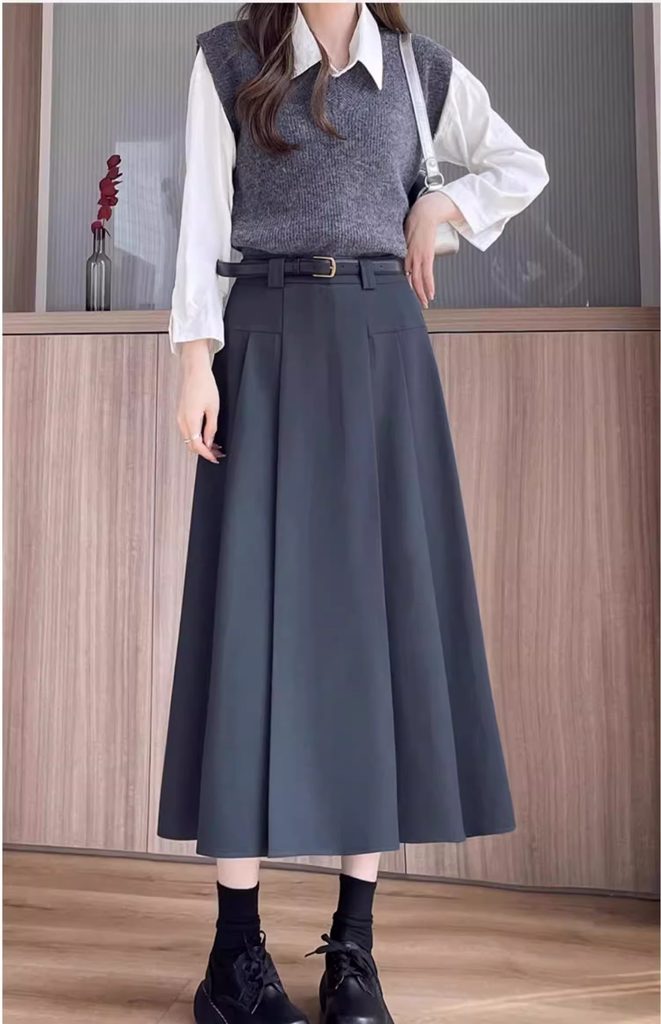
Because of its flared design, an A-line skirt naturally requires a higher fabric yield than a straight or pencil skirt. The wider the sweep (the circumference of the hem), the more fabric you will consume per garment. Furthermore, if your design dictates that the skirt must be cut on the bias to achieve a specific fluid drape, the fabric consumption increases significantly. Bias cutting often leaves awkwardly shaped fabric remnants, which can increase textile waste and, consequently, your material costs.
An experienced A-line skirt manufacturer will utilize advanced computerized nesting software before a single cut is made. This software digitally maps out the pattern pieces on the fabric roll like a complex puzzle, optimizing the layout to maximize fabric utilization and minimize waste. By reducing your fabric consumption even by a few inches per garment, a skilled manufacturer can save you thousands of dollars across a bulk production run.
Mastering Minimum Order Quantities (MOQs)
One of the biggest hurdles for growing brands is managing Minimum Order Quantities (MOQs). Factories set MOQs to ensure that the time spent setting up the production line, calibrating machinery, and sourcing materials is financially viable for them.
When you are scaling, you might find yourself caught between wanting to order larger quantities to reduce the cost per unit, and wanting to keep inventory lean to avoid overstocking. A strong relationship with your A-line skirt manufacturer is crucial here. As you prove to be a reliable client who pays on time and provides clear tech packs, many manufacturers become more flexible.
Consider negotiating staggered deliveries or “split-runs” where you commit to a larger bulk order (securing a lower price per unit) but have the factory manufacture and ship the skirts in smaller batches over a few months. This strategy allows you to maintain steady inventory levels, ease cash flow, and pivot your marketing strategies based on real-time sales data without being burdened by massive upfront warehouse costs.
Embracing Sustainable and Ethical Production
Today’s conscious consumers care deeply about where and how their clothes are made. Integrating sustainable practices into your production is no longer just a moral imperative; it is a powerful business strategy that builds immense brand loyalty.
When selecting or working with your A-line skirt manufacturer, inquire about their sustainability initiatives. Can they source eco-friendly materials such as Tencel, organic cotton, recycled polyester, or deadstock fabrics? Because the A-line skirt is a classic, seasonless staple, it is the perfect canvas for high-quality, sustainable textiles that are meant to last for years rather than being discarded after one season.
Beyond materials, look at the factory’s operational ethics. A reputable clothing manufacturer will be transparent about their labor practices. Ensuring that the artisans cutting and sewing your garments are paid fair living wages and work in safe, well-ventilated environments is essential. When you can confidently share the ethical backstory of your manufacturing process with your customers, it elevates the perceived value of your garments and solidifies your brand’s reputation in a crowded market.
Building a Future-Proof Brand
Ultimately, scaling an apparel brand requires transitioning from a mindset of simply “making clothes” to strategically managing a global supply chain. The A-line skirt will undoubtedly remain a cornerstone of women’s fashion, providing a reliable foundation for your collections.
By partnering with a dedicated A-line skirt manufacturer who understands the nuances of fabric yield, respects your need for flexible order quantities, and shares your commitment to ethical production, you position your brand for sustainable, long-term success. Careful planning and a strong manufacturing partnership will ensure that your label not only grows but thrives in the competitive fashion industry.