
Over the course of our deep dive into high-performance rain gear, we have explored the microscopic magic of waterproof-breathable membranes and the rugged armor of synthetic face fabrics. However, engineering the ultimate hardshell jacket requires more than just cutting out a piece of high-tech material and sewing it together. A fabric is only as effective as its weakest link, and how that fabric interacts with your skin—and how the pieces are joined together—determines whether you stay dry or get soaked.
At Monsoon Apparel, we view a hardshell jacket as a complete ecosystem. In this final installment of our fabric series, we are pulling back the curtain on the unsung heroes of weather protection: inner backer fabrics, advanced seam sealing techniques, and the exciting green revolution transforming the materials we wear into the wild.
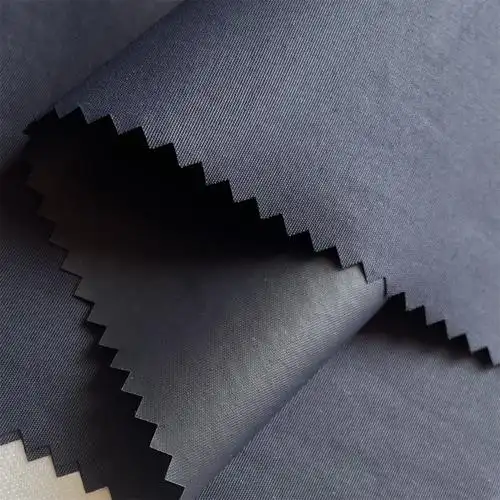
The Inner Backer: Comfort Meets Moisture Management
If you look at the inside of a premium 3-layer (3L) hardshell jacket, you are not actually looking at the waterproof membrane. The membrane is incredibly delicate and highly susceptible to contamination from dirt, sweat, and the natural oils produced by your skin. To protect it, fabric engineers bond a third layer to the inside of the jacket, known as the backer.
Historically, backer fabrics were simply there to provide a physical barrier, which often made jackets feel stiff, crinkly, and somewhat like wearing a heavy tarp. Today, the technology behind backer fabrics has revolutionized next-to-skin comfort.
Modern backers are typically crafted from ultra-fine circular-knit fabrics or brushed tricot. These specialized materials serve two critical functions. First, they feel soft and supple against the skin, allowing the jacket to drape naturally and move quietly with your body. Second, they act as active moisture managers. By utilizing capillary action, high-tech backer fabrics quickly wick sweat away from your skin or base layers, pulling it directly into the membrane where it can be pushed out as vapor. This rapid moisture transfer is what keeps you feeling dry and warm on a grueling uphill climb.
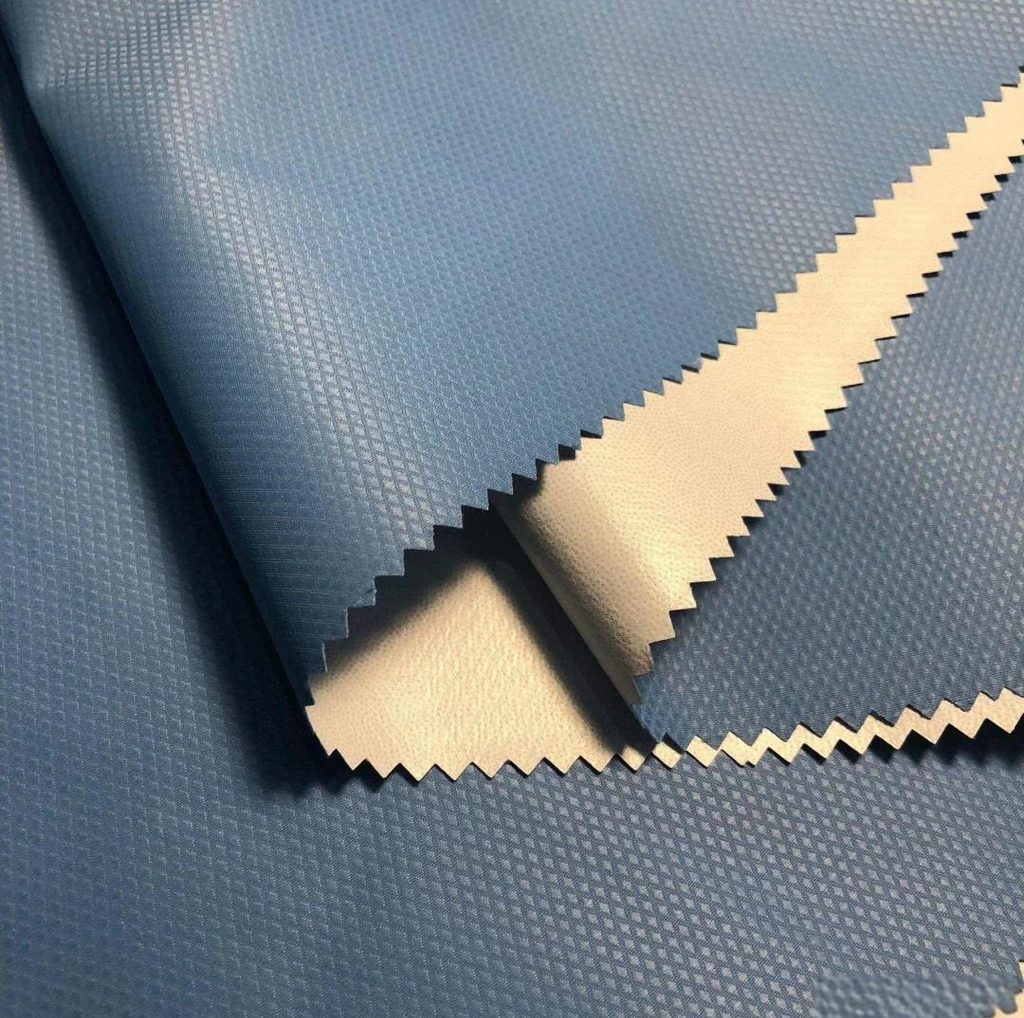
Bridging the Gap: Seam Sealing and Welding
You can have the most impenetrable, advanced waterproof fabric in the world, but the moment a sewing needle punches a hole through it to attach a sleeve or a zipper, that fabric is no longer waterproof. Water is relentless; under pressure from wind or backpack straps, it will force its way through even the most microscopic needle holes.
This brings us to one of the most critical elements of hardshell construction: seam sealing.
To restore the waterproof integrity of the garment, manufacturers apply a specialized waterproof tape over every single interior seam. This is applied using precise heat and pressure, melting the tape into the backer fabric to create an impenetrable barrier over the stitch lines.
The width and flexibility of this tape matter immensely. Older or lower-quality jackets use wide, stiff seam tape, which reduces the overall breathability of the garment (since tape cannot breathe) and makes the jacket feel rigid. Premium hardshells utilize micro-seam taping. These tapes are incredibly narrow—sometimes just a few millimeters wide—which maximizes the breathable surface area of the jacket while reducing weight and improving flexibility. In some cutting-edge designs, seams are actually ultrasonically welded together, eliminating needle holes and thread entirely to create a seamless, ultra-durable bond.
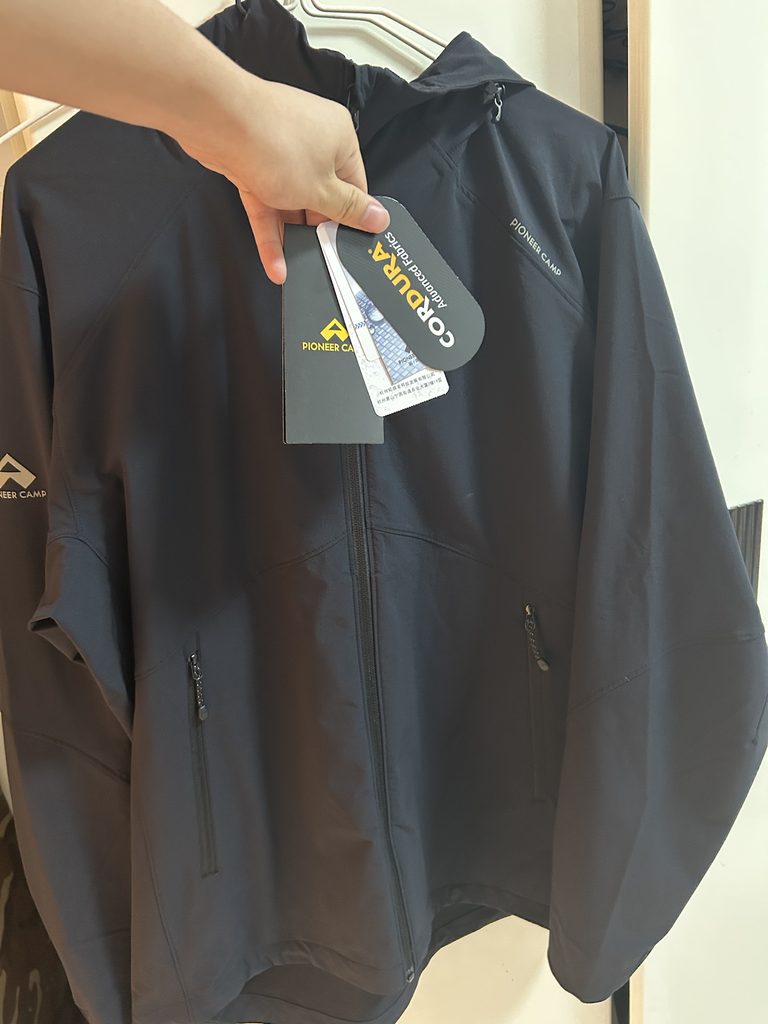
The Green Revolution: Sustainable Hardshell Fabrics
The outdoor industry is currently undergoing a massive, necessary shift in how hardshell fabrics are manufactured. For decades, the Durable Water Repellent (DWR) coatings that made water bead up on face fabrics were formulated using perfluorinated compounds (PFCs or PFAS), often referred to as “forever chemicals.” While exceptionally good at repelling water and oil, these chemicals do not break down in nature and pose risks to the environment.
Today, the future of hardshell fabrics is firmly rooted in sustainability. Fabric mills are successfully transitioning to PFC-free DWR treatments, utilizing advanced plant-based or alternative chemical structures that shed water effectively without leaving a permanent toxic footprint.
Furthermore, the fabrics themselves are getting a massive eco-friendly upgrade. The nylon and polyester used in modern face fabrics are increasingly sourced from recycled post-consumer plastics, such as discarded fishing nets and water bottles. Additionally, many inner backers are now “solution-dyed.” Unlike traditional dyeing, which uses vast amounts of heated water and chemicals, solution dyeing adds pigment to the polymer before it is spun into yarn. This process reduces water consumption by up to 90% and results in a fabric that is incredibly resistant to fading from UV exposure.
Final Thoughts from Monsoon Apparel
Choosing the right hardshell jacket comes down to understanding the environment you are about to step into. From the breathability of the membrane and the denier of the face fabric to the softness of the backer and the integrity of the seam tape, every element plays a pivotal role in your comfort and survival.
At Monsoon Apparel, our mission is to harness the best of these textile innovations to build gear you can trust when the sky turns dark. Understanding the science behind the fabric ensures that you are never caught unprepared, allowing you to focus entirely on the thrill of the adventure ahead.