If you have ever been caught in a sudden downpour miles away from the nearest shelter, you know that the gear you wear can make or break your outdoor experience. When the wind howls and the rain drops like a curtain, a standard windbreaker simply will not cut it. This is where the modern hardshell jacket steps in. But what exactly makes these jackets capable of blocking torrential rain while preventing you from sweating profusely on the inside?
The secret lies in the sophisticated science of hardshell jacket fabrics. At Monsoon Apparel, we believe that understanding the technology behind your outdoor gear empowers you to make the best choices for your next adventure. Let us dive deep into the world of waterproof and breathable fabrics to see what makes them the ultimate shield against the elements.
The Magic of the Membrane: How It Works
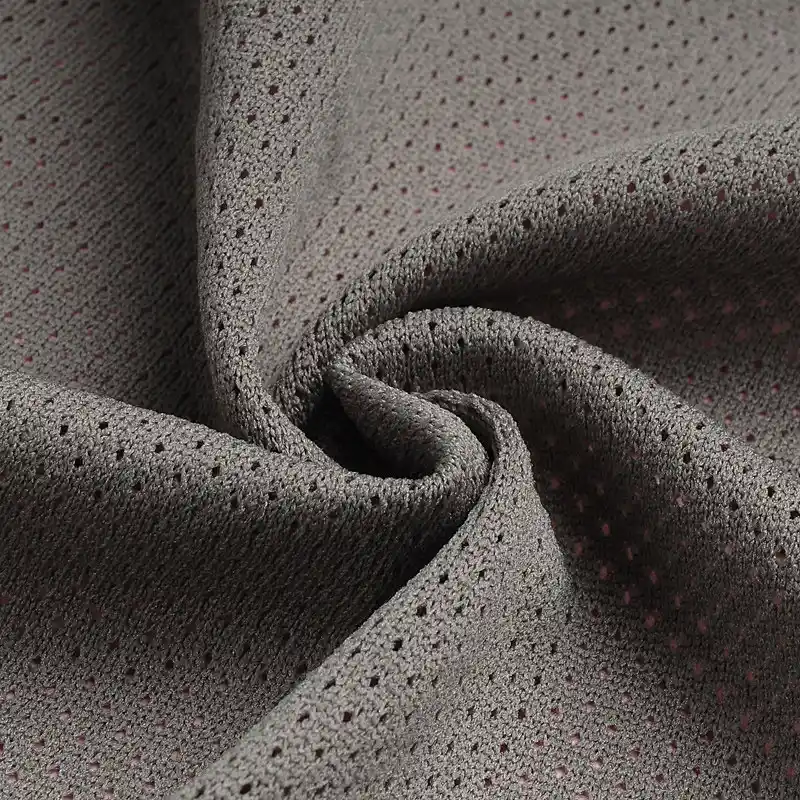
At the core of any premium hardshell jacket is a microscopic marvel known as a waterproof-breathable membrane. To the naked eye, it looks like a thin, flexible piece of plastic, but under a microscope, it reveals millions of tiny pores.
These pores are engineered with precision. They are thousands of times smaller than a single drop of water, which means rain and snow cannot penetrate the fabric from the outside. However, these same pores are hundreds of times larger than a water vapor molecule. When you hike, climb, or ski, your body generates heat and sweat. The moisture evaporates into a gas, which can easily escape through the microscopic pores of the membrane. This dual-action technology keeps the harsh weather out while letting your body heat breathe, preventing that dreadful, clammy feeling inside the jacket.
There are generally two types of materials used for these membranes: ePTFE (expanded Polytetrafluoroethylene) and PU (Polyurethane). While ePTFE has historically been the gold standard for high-output activities due to its incredible breathability, modern PU membranes have advanced significantly, offering fantastic durability, eco-friendliness, and stretchability.
Understanding Fabric Constructions: 2L, 2.5L, and 3L
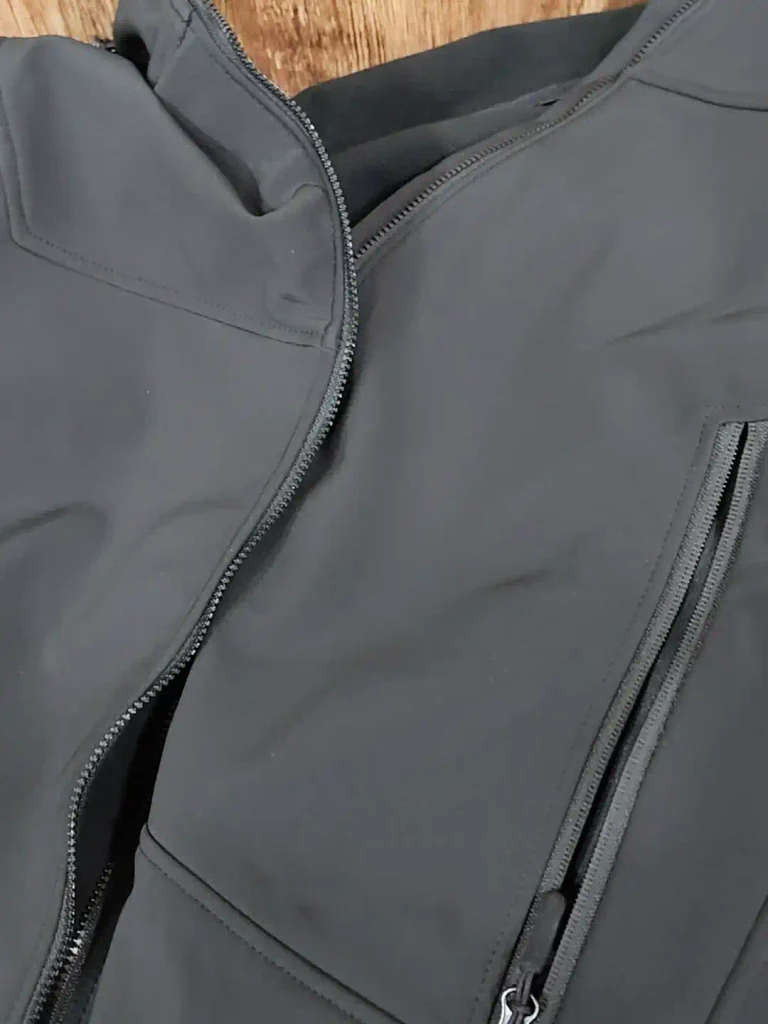
When shopping for a hardshell jacket, you will often see terms like “2-layer,” “2.5-layer,” or “3-layer” constructions. The membrane is too delicate to be used on its own, so it is bonded to other fabrics to create a functional garment. Here is what those layers actually mean:
2-Layer (2L) Construction
In a 2-layer jacket, the waterproof-breathable membrane is bonded directly to the outer face fabric. To protect the membrane on the inside, manufacturers usually add a loose, hanging mesh or taffeta lining. These jackets are typically heavier and bulkier, making them ideal for casual urban wear or resort skiing rather than fast-and-light alpine ascents.
2.5-Layer (2.5L) Construction
The 2.5-layer fabric is designed for those who count every ounce. It features an outer face fabric bonded to the waterproof membrane, but instead of a heavy mesh lining, a very thin, printed protective coating (the “half” layer) is applied directly to the inside of the membrane. These jackets are incredibly lightweight and packable, making them the perfect emergency rain shells for trail running and summer backpacking.
3-Layer (3L) Construction
This is the pinnacle of hardshell technology. In a 3-layer construction, the waterproof membrane is sandwiched between a durable outer face fabric and a soft, moisture-wicking inner backing fabric. Because all three layers are bonded together into a single piece of material, 3L jackets offer the highest level of durability, weather protection, and breathability. When we design expedition-grade gear at Monsoon Apparel, 3-layer fabrics are our go-to choice for conquering the harshest mountain environments.
The Unsung Hero: Durable Water Repellent (DWR)
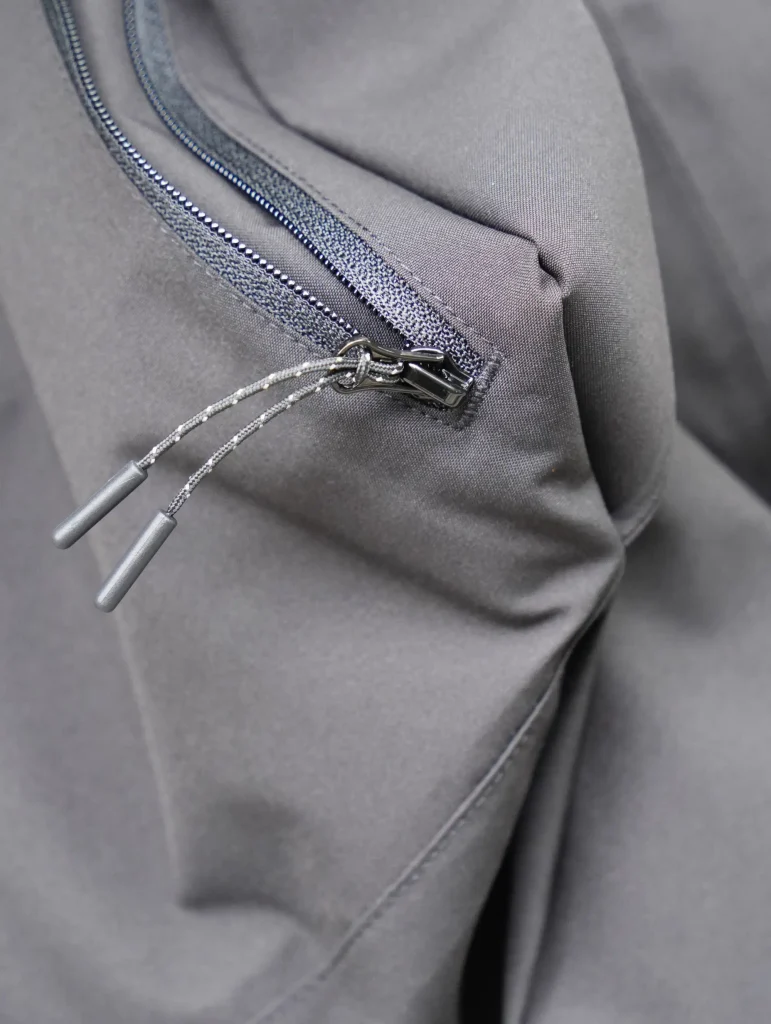
Even the best waterproof membrane needs a little help. The outer face fabric of your hardshell jacket is treated with a chemical coating called Durable Water Repellent, or DWR.
Have you ever noticed how rain beads up and rolls off a brand-new jacket like water off a duck’s back? That is the DWR at work. Its primary job is to prevent the outer fabric from becoming saturated with water. If the face fabric wets out, it creates a cold, heavy barrier that blocks the membrane’s pores. Your jacket will still be waterproof, but it will completely lose its breathability, trapping your sweat inside. Maintaining your DWR coating by washing and occasionally reapplying it is crucial for the long-term performance of your gear.
Equipping Yourself for the Elements
Choosing the right hardshell jacket fabric depends entirely on your specific needs. Are you planning a multi-day alpine expedition where durability is a matter of survival? A rugged 3-layer shell is your best bet. Are you throwing a jacket into your daypack just in case it rains during a summer hike? A lightweight 2.5-layer shell will serve you perfectly.
At Monsoon Apparel, our commitment is to source and utilize only the highest-performing fabrics to keep you dry, comfortable, and focused on the journey ahead. The wilderness is unpredictable, but your gear shouldn’t be. Equip yourself with the right fabric, and you will be ready to weather any storm.