Launching a new clothing line—or adding a sophisticated new category to an existing one—is an exhilarating process for any fashion brand. Among all the garments a designer can dream up, the blazer stands out as one of the most transformative. A well-tailored jacket instantly elevates an outfit, projecting confidence, style, and refined taste. However, because of its highly structured nature, bringing a blazer design to life is far more complicated than producing a standard t-shirt or knit dress.
To turn a beautiful sketch into a wearable, high-quality garment, a brand must partner with a specialized blazer manufacturer. Understanding the journey from initial concept to the final, freshly pressed jacket is essential for any designer looking to navigate the production process smoothly. Here is a behind-the-scenes look at the step-by-step manufacturing process of a premium tailored blazer.
1. Establishing the Foundation: The Tech Pack
Before a single piece of fabric is cut, the foundation of the garment must be laid out in a comprehensive document known as a tech pack. For a tailored jacket, the tech pack is exceptionally detailed. A proficient blazer manufacturer relies on this blueprint to understand every nuance of your vision.
An effective blazer tech pack should include:
- Detailed Flat Sketches: Front, back, inside, and side views illustrating the design.
- Exact Measurements and Specs: Precise dimensions for the chest, waist, shoulder width, sleeve length, and lapel width.
- Bill of Materials (BOM): A complete list of all physical elements needed, including the outer shell fabric, lining, interfacing, canvas, buttons, shoulder pads, and thread.
- Construction Details: Instructions on the type of seams, pocket styles (e.g., welt, patch, or flap), and vent placements.
At Monsoon Apparel, our first step with any new client is to meticulously review these specifications, ensuring that every technical detail aligns with the brand’s creative vision before moving forward.
2. Fabric Sourcing and Component Selection
Once the blueprint is finalized, the next critical step is sourcing the materials. A blazer is a composite of many different layers, and a high-quality blazer manufacturer will leverage their industry connections to source the best possible components.
The outer fabric dictates the drape, warmth, and seasonality of the jacket, whether it is a breathable linen for summer or a heavy, textured tweed for autumn. However, what lies beneath is equally important. The sourcing team must procure the right weight of canvas or fusible interfacing to give the chest its structure. They must also source smooth, breathable linings that allow the jacket to slip on effortlessly, as well as durable hardware like genuine horn buttons or custom-engraved metal closures.
3. The Art of Pattern Making and Prototyping
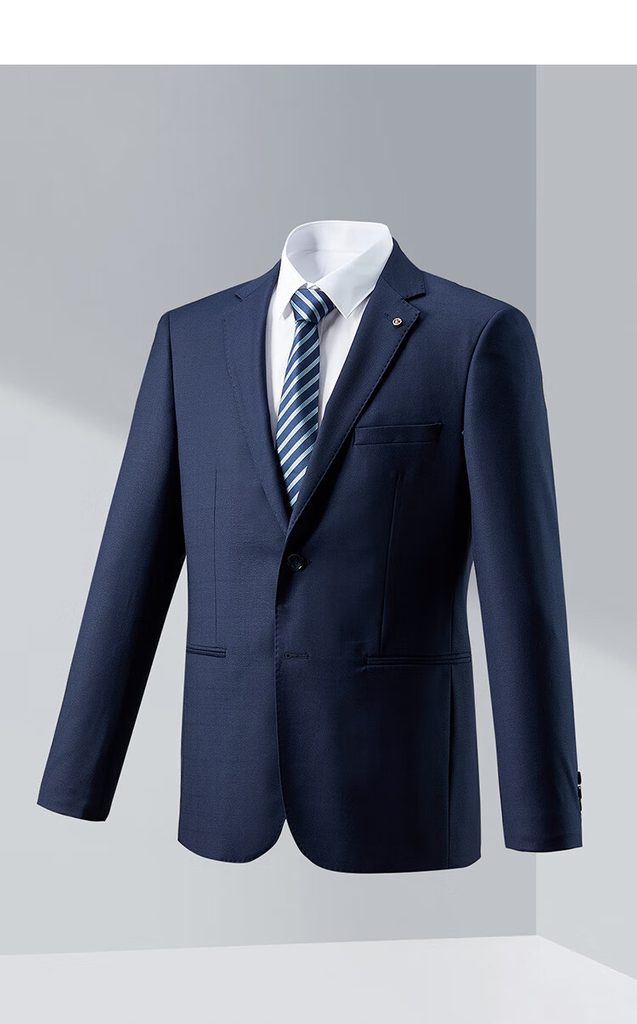
Translating a two-dimensional sketch into a three-dimensional garment requires masterful pattern making. The pattern maker drafts the individual paper or digital templates for every single piece of the jacket—and a standard blazer can easily consist of over thirty distinct pieces!
Once the pattern is drafted, the manufacturer creates the first prototype, often called a sample or toile. This initial sample is usually made from a substitute fabric of similar weight to test the fit, proportions, and overall silhouette. Fit sessions are then held, adjustments are made to the pattern, and a subsequent pre-production sample is sewn using the actual final fabric. This iterative process is crucial; tailoring is a game of millimeters, and finding a manufacturing partner who excels in this phase is vital for achieving the perfect fit.
4. Precision Cutting and Bulk Production
After the pre-production sample is approved, bulk manufacturing begins. The first step on the factory floor is the cutting process. For tailored garments, cutting requires extreme precision. If a brand has chosen a fabric with a distinct pattern—such as a Prince of Wales check, houndstooth, or pinstripe—a premier blazer manufacturer will take the extra time to ensure that the patterns match up perfectly along the seams, lapels, and pockets. This meticulous pattern matching is a hallmark of high-end tailoring.
Once cut, the pieces move to the sewing floor. Assembling a jacket is highly specialized. Different operators handle different components: one team may construct the welt pockets, another attaches the canvas to the chest, and the most skilled artisans are tasked with setting the sleeves—an intricate process that requires sewing a larger piece of fabric into a smaller armhole without creating unwanted puckers.
5. Structural Pressing and Final Finishing
Unlike casual wear, a blazer gets much of its final shape from pressing, not just sewing. Throughout the assembly process, seams are pressed open and flat. Once the jacket is fully assembled, it undergoes a final structural pressing using specialized, heated mannequins and heavy irons. This step locks in the three-dimensional shape, defining the roll of the lapel and the curve of the shoulder.
Finally, the garment goes through a rigorous quality control check. Inspectors snip loose threads, check for dimensional accuracy, and ensure every button is securely fastened.
Bringing Your Vision to Life
The journey of manufacturing a blazer is intricate, requiring a perfect blend of modern technology and traditional tailoring techniques. By understanding this process, fashion brands can communicate more effectively with their production partners and avoid common pitfalls.
At Monsoon Apparel, we have spent years refining our production lines to master the art of tailored garments. We guide our clients through every step of this complex journey, ensuring that the final product is a beautifully crafted blazer that exceeds expectations.