For a growing fashion brand, developing a denim shirt collection is an exciting opportunity, but it also comes with several manufacturing challenges. Brands need to balance product quality, production costs, order quantities, delivery schedules, customization requirements, and customer expectations. Making the wrong decision at any stage can lead to unnecessary expenses, delayed launches, or inconsistent products.
This is why choosing an experienced denim shirt manufacturer can make a significant difference.
A professional manufacturing partner does much more than sew garments. The right factory can support product development, material sourcing, sampling, production planning, quality control, private labeling, packaging, and shipping. By coordinating these processes efficiently, manufacturers can help clothing brands bring products to market with greater confidence.
Why Manufacturing Efficiency Matters for Denim Shirts
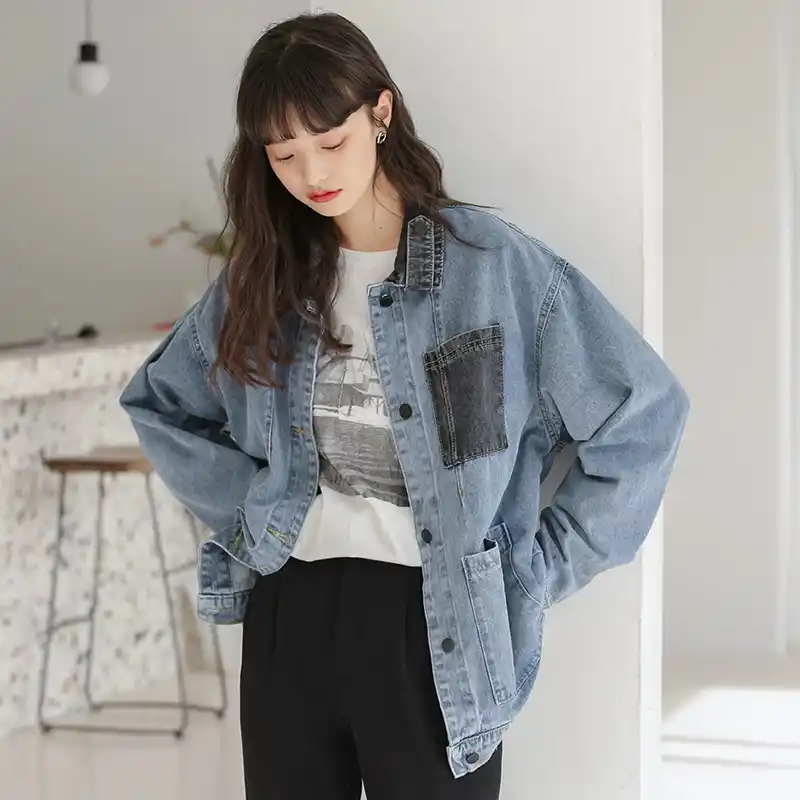
Denim shirts may look relatively simple compared with complicated outerwear, but their production involves many individual components.
A typical denim shirt can include:
- Denim fabric
- Collar construction
- Chest pockets
- Buttons or snaps
- Reinforced seams
- Sleeves and cuffs
- Labels
- Washing and finishing
- Packaging
Each component affects the final manufacturing cost and production schedule.
For example, choosing a heavier fabric may increase material costs and require different production considerations. A complicated washing effect may require additional processing. Custom hardware may increase development time. Extensive embroidery or patchwork can also add production steps.
A knowledgeable manufacturer helps brands understand these factors before bulk production begins.
Start with an Accurate Product Specification
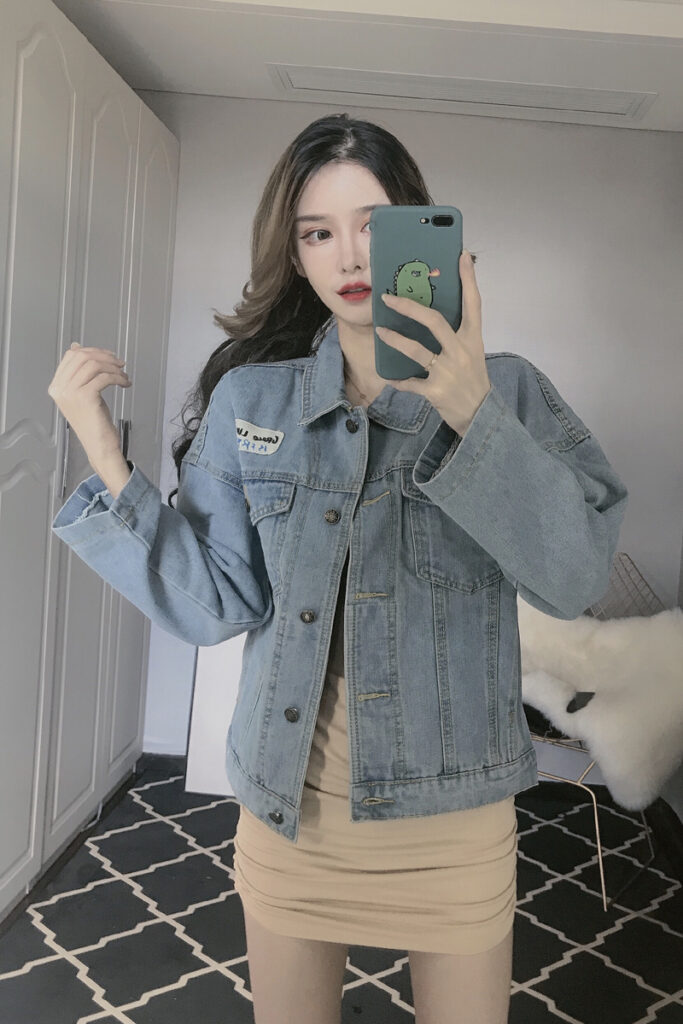
One of the most effective ways to control manufacturing costs is to establish clear product specifications at the beginning.
Before requesting a production quote, brands should define as many details as possible.
These may include:
- Fabric composition
- Fabric weight
- Garment color
- Shirt measurements
- Fit
- Collar style
- Pocket design
- Button type
- Stitching details
- Washing effect
- Branding requirements
- Packaging requirements
- Order quantity
The more complete the specifications are, the easier it is for a manufacturer to provide an accurate quotation.
A professional denim shirt manufacturer can also review the specifications and suggest practical alternatives when certain design elements create unnecessary complexity or cost.
Fabric Selection Can Influence the Total Cost
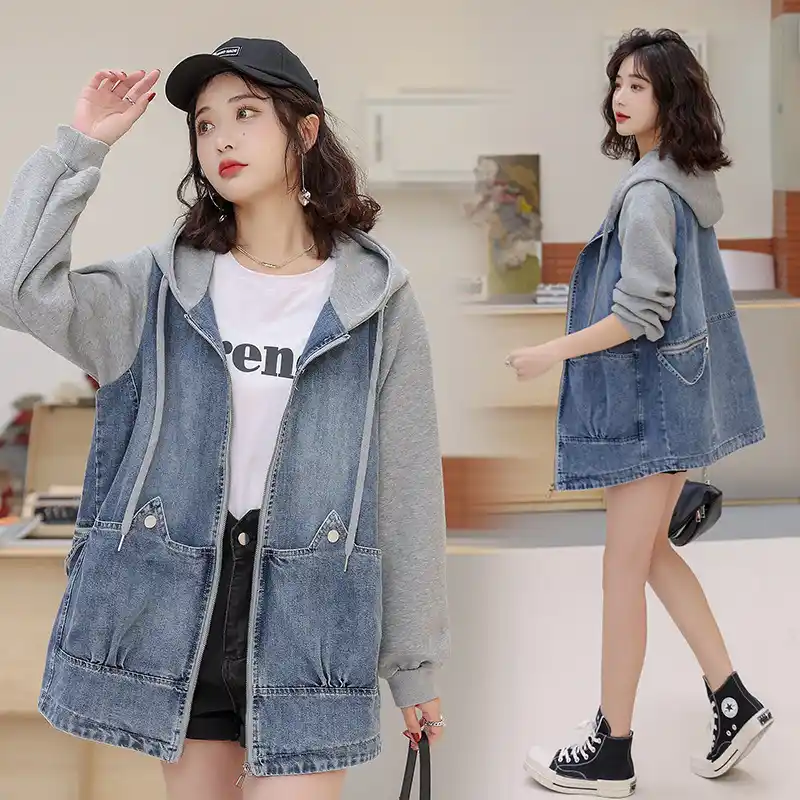
Fabric is one of the largest components of garment manufacturing cost.
However, choosing the cheapest denim is not necessarily the best way to reduce expenses.
Low-cost fabric can affect durability, hand feel, color performance, and customer satisfaction. If customers receive a garment that feels cheap or loses its appearance quickly, the savings at the production stage may ultimately hurt the brand.
Instead, manufacturers can help brands balance fabric quality and budget.
Possible material choices include:
- Lightweight cotton denim
- Midweight denim
- Heavyweight denim
- Stretch denim
- Raw denim
- Selvedge denim
- Recycled blends
- Organic cotton options
Monsoon Apparel states that it works with a range of denim materials, including stretch denim, raw denim, selvedge, and recycled blends, while focusing on the balance between strength, softness, and style.
This gives brands more flexibility when developing products for different price points.
Simplify the Design Without Losing Its Identity
Custom clothing does not have to mean adding as many details as possible.
In fact, excessive details can make production more complicated and expensive.
A denim shirt may include:
- Multiple pockets
- Contrast stitching
- Decorative embroidery
- Custom metal hardware
- Special patches
- Complex washing
- Unique seam construction
Some of these details can create strong visual value, but others may have little impact on the customer’s buying decision.
An experienced manufacturer can help identify which details are essential to the product concept and which could be simplified.
For example, a brand may achieve a premium appearance through high-quality denim, a distinctive wash, and custom buttons without adding unnecessary construction details.
This approach can maintain the product’s identity while improving production efficiency.
Sampling Helps Prevent Expensive Mistakes
Producing bulk quantities before approving a proper sample is one of the biggest risks in apparel manufacturing.
A sample gives the brand an opportunity to check the actual product before committing to large-scale production.
Important areas to evaluate include:
- Fit
- Measurements
- Fabric weight
- Color
- Washing
- Stitching
- Pocket placement
- Button position
- Label placement
- Overall appearance
Monsoon Apparel’s manufacturing process includes prototyping and sample approval before mass production, allowing clients to review fit, feel, craftsmanship, and brand alignment before production moves forward.
This process can reduce the risk of producing large quantities of garments that require expensive corrections.
Quality Control Protects Your Brand
Production costs are important, but quality problems can be much more expensive in the long term.
Imagine receiving a large shipment of denim shirts and discovering that:
- Measurements vary significantly
- The wash is inconsistent
- Buttons are loose
- Labels are incorrectly positioned
- Stitching is defective
- Fabric has visible problems
The financial impact may include rework, replacement costs, shipping expenses, customer refunds, and damage to your brand reputation.
For this reason, quality control should be integrated throughout manufacturing.
A reliable denim shirt manufacturer should monitor quality during material sourcing, cutting, sewing, washing, finishing, and final inspection.
Low MOQ Can Reduce Inventory Risk
Minimum order quantity is another important consideration for fashion startups and emerging brands.
Large production runs may reduce the unit cost, but they also require a larger upfront investment and create greater inventory risk.
If a new denim shirt design does not sell as expected, excess stock can tie up capital and warehouse space.
Flexible production quantities allow brands to test products before scaling.
Monsoon Apparel states that it offers low MOQ solutions for startups, capsule collections, and growing brands, with the goal of reducing inventory costs and overstocking risks.
This type of flexibility can be especially useful for brands introducing new denim shirt designs or testing unfamiliar markets.
Production Speed Can Affect Your Launch
Fashion is highly competitive, and timing matters.
A product that arrives too late may miss:
- Seasonal demand
- Promotional campaigns
- Holiday sales
- Fashion events
- Retail buying windows
A manufacturer with an organized production system can help brands coordinate development and manufacturing more efficiently.
According to Monsoon Apparel’s website, its standard apparel turnaround is stated as 7–20 working days, with expedited options for urgent cases. Actual timing can vary depending on the product, quantity, materials, and production requirements.
Brands should always confirm the production schedule for their specific denim shirt project before placing an order.
Private Label Manufacturing Adds More Control
For brands building their own identity, a denim shirt is more than a garment.
It is part of the customer experience.
Private label manufacturing allows brands to customize:
- Neck labels
- Care labels
- Hang tags
- Buttons
- Rivets
- Packaging
- Embroidery
- Screen printing
- Patches
Monsoon Apparel provides private label services as well as custom branding options such as labels, branded hardware, embroidery, screen printing, and patchwork.
These details can help turn a standard denim shirt into a recognizable branded product.
Consider the Full Manufacturing Relationship
When comparing manufacturers, it is easy to focus only on the quoted unit price.
However, the cheapest quotation may not always represent the lowest total cost.
Brands should also consider:
- Sample quality
- Communication
- Material sourcing
- Production consistency
- Quality control
- MOQ
- Lead time
- Packaging
- Shipping support
- After-sales communication
A manufacturer that provides more comprehensive support may help reduce hidden costs associated with errors, delays, rework, and supplier coordination.
Why Monsoon Apparel Can Be a Manufacturing Partner
Monsoon Apparel positions itself as a full-service custom clothing manufacturer, providing support from design and concept development through prototyping, sample approval, mass production, packaging, and shipping. Its website also highlights private label, OEM, low MOQ, personalized support, and multiple cooperation models including CMT, FOB, and ODM.
For denim projects, the company specifically highlights its denim manufacturing experience, fabric sourcing, private label capabilities, flexible minimums, and product development support.
Monsoon Apparel also states that it serves customers in more than 60 countries across North America, Europe, and Australia, giving international brands access to manufacturing and logistics support.
How to Prepare Before Contacting a Manufacturer
Brands can make the development process more efficient by preparing key information before requesting a quotation.
A useful manufacturer inquiry should include:
- Product type
- Reference images or technical drawings
- Fabric requirements
- Estimated quantity
- Size range
- Desired colors
- Washing requirements
- Branding requirements
- Packaging requirements
- Target delivery date
If you do not have every detail finalized, that is not necessarily a problem. An experienced manufacturer can help develop the product and recommend suitable options.
Final Thoughts
Choosing the right denim shirt manufacturer is not simply about finding a factory with a competitive price. It is about finding a production partner that can balance quality, cost, customization, flexibility, and delivery requirements.
From fabric sourcing and product development to sampling, private labeling, quality control, and bulk production, every stage can influence the success of your collection.
A professional manufacturer can help identify potential problems before production, recommend suitable materials, reduce unnecessary complexity, and establish a reliable path from concept to finished garment.
For fashion startups, private label businesses, retailers, and established apparel companies, this kind of manufacturing partnership can make denim shirt production more predictable and efficient.
When quality, cost control, production flexibility, and reliable communication are managed together, your brand is in a much stronger position to develop denim shirts that meet customer expectations and support long-term business growth.
Get a Quote Now