When developing a new denim shirt collection, the manufacturing process involves much more than simply choosing a blue denim fabric and adding buttons. Every element of the garment, from fabric weight and weave to fit, washing, stitching, pockets, and finishing, can influence how the final product looks and feels.
For fashion brands, retailers, private label companies, and apparel startups, working with an experienced denim shirt manufacturer makes it easier to turn creative ideas into commercially viable products. A professional manufacturing partner can provide technical knowledge, material options, product development support, and production expertise throughout the entire process.
Understanding the main customization options can also help brands communicate more effectively with their manufacturing partners and create denim shirts that match their target market.
Choosing the Right Denim Fabric
Fabric is the foundation of every denim shirt.
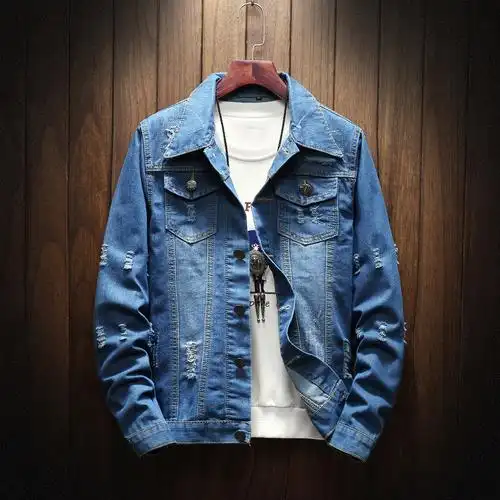
Although denim is traditionally associated with cotton and indigo, modern denim fabrics are available in many different compositions, weights, textures, and finishes. Choosing the right material depends on the intended style, climate, price range, and customer expectations.
Lightweight Denim
Lightweight denim is an excellent option for spring and summer collections.
Compared with heavier denim, it generally provides a softer and more comfortable wearing experience. It can also be used for relaxed shirts, layering pieces, and fashion collections designed for warmer climates.
Lightweight denim is particularly useful when a brand wants the appearance of traditional denim without creating a heavy garment.
Midweight Denim
Midweight denim offers a balance between durability and comfort.
It is one of the most versatile choices for everyday denim shirts because it provides enough structure to maintain the shape of the garment while remaining suitable for regular wear.
This type of denim can work well for classic button-down shirts, Western-inspired designs, casual workwear, and contemporary fashion styles.
Heavyweight Denim
Heavyweight denim creates a more structured and durable garment.
It is often used for workwear-inspired shirts, overshirts, jackets, and premium collections where a substantial fabric feel is part of the product concept.
Because heavier denim can feel more rigid, the construction and finishing process need to be carefully considered during product development.
Cotton Denim or Stretch Denim?
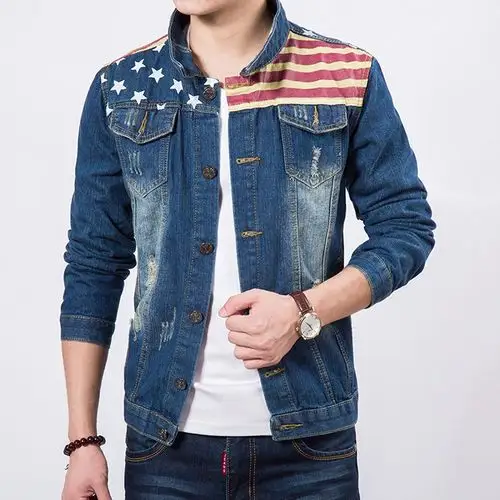
Another important decision is whether to use traditional cotton denim or stretch denim.
100% Cotton Denim
100% cotton denim offers an authentic denim experience. It is durable, breathable, and develops character through repeated wear and washing.
For heritage-inspired or vintage collections, cotton denim is often a natural choice.
Stretch Denim
Stretch denim contains a small amount of elastic fiber to improve flexibility.
This can make the garment more comfortable, particularly when the design has a closer fit or when customers expect greater freedom of movement.
The right choice depends on the product positioning and desired wearing experience.
Selecting the Right Denim Color
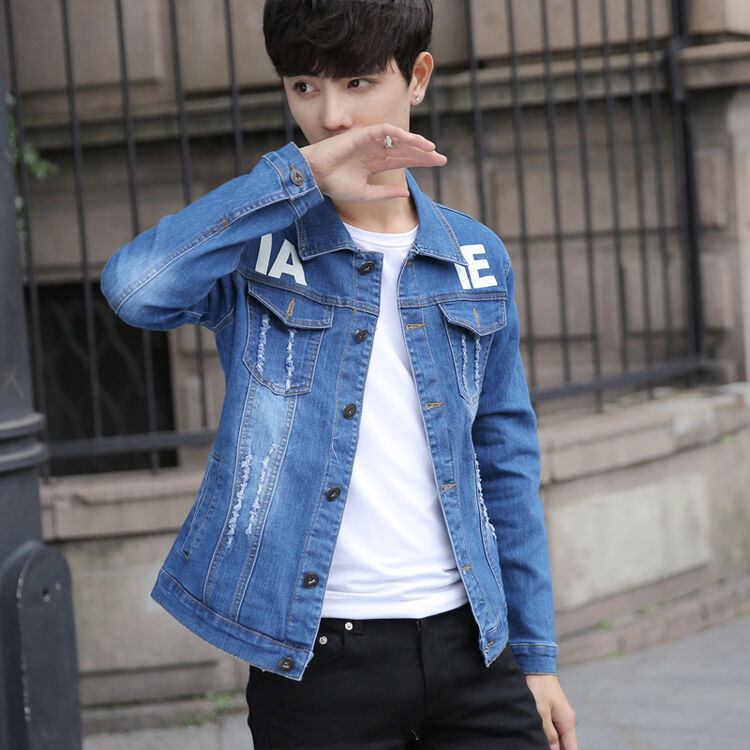
Blue is the classic denim color, but brands are no longer limited to traditional indigo.
A denim shirt manufacturer can develop garments in a variety of shades, including:
- Dark indigo
- Medium blue
- Light blue
- Vintage blue
- Washed gray
- Black
- Ecru
- White
- Colored denim
The choice of color can dramatically change the personality of a collection.
Dark indigo denim can create a clean and premium appearance, while heavily faded blue can produce a relaxed vintage aesthetic. Black denim can provide a more modern and urban look, while ecru and natural tones are suitable for minimalist collections.
Denim Washing and Finishing
Washing is one of the most important stages in denim production.
A garment’s final appearance can be completely transformed by the washing process. The same fabric can produce several different styles depending on the selected treatment.
Stone Wash
Stone washing creates a softer hand feel and a naturally faded appearance.
It is commonly used for casual denim products and vintage-inspired collections.
Enzyme Wash
Enzyme washing can create a smoother and softer fabric surface while producing a controlled faded effect.
It can be a suitable option for brands looking for a comfortable denim shirt with a clean, modern appearance.
Acid Wash
Acid washing creates a distinctive high-contrast appearance.
It is often associated with retro fashion and statement denim pieces.
Vintage Wash
Vintage finishes can reproduce the worn appearance associated with long-term use.
This can include fading around seams, pockets, edges, and other areas of natural wear.
Soft Wash
Soft washing focuses on improving the hand feel of the fabric while maintaining the desired color and appearance.
This can be particularly useful for lightweight denim shirts intended for everyday wear.
Choosing the Right Denim Shirt Fit
Fit is another major factor that influences the commercial success of a denim shirt.
Different customer groups may prefer different silhouettes, so manufacturers need to translate the brand’s design concept into accurate patterns and measurements.
Popular fits include:
Regular Fit
A regular fit provides a classic silhouette with comfortable room through the chest and body.
It is suitable for brands targeting customers who prefer timeless styles.
Slim Fit
Slim-fit denim shirts provide a closer silhouette and a more contemporary appearance.
They are often used in modern casualwear collections.
Relaxed Fit
Relaxed shirts provide additional room and a more casual appearance.
This style works particularly well with current streetwear and lifestyle collections.
Oversized Fit
Oversized denim shirts have become popular as layering pieces.
They can be worn over T-shirts, knitwear, or other garments and are particularly suitable for contemporary fashion brands.
Custom Collar Designs
The collar is a small detail that can significantly influence the overall appearance of a denim shirt.
Possible options include:
- Standard shirt collar
- Button-down collar
- Spread collar
- Western collar
- Camp collar
- Oversized collar
The collar should match the intended style of the garment. A Western-style denim shirt may use pointed collar details, while a modern fashion collection may prefer a larger or more minimalist collar.
Pocket Design and Placement
Pockets combine functional and visual elements.
Traditional denim shirts often feature one or two chest pockets, but custom manufacturing provides many possibilities.
Brands can customize:
- Pocket shape
- Pocket size
- Flap design
- Number of pockets
- Pocket placement
- Contrast stitching
- Embroidery
- Decorative details
Western-style pockets, for example, can create a distinctive heritage appearance, while clean patch pockets can provide a more contemporary look.
Buttons, Snaps, and Hardware
Hardware can have a significant impact on the perceived quality of a denim shirt.
Depending on the design, brands may choose:
- Metal buttons
- Snap buttons
- Custom logo buttons
- Antique-finish hardware
- Matte buttons
- Contrasting buttons
Custom hardware can also reinforce brand identity.
A small logo engraved on a button or snap can turn a standard component into a recognizable brand detail.
Stitching Details
Stitching is both functional and decorative.
Denim shirts may use different thread colors to create specific visual effects.
Common options include:
- Matching thread
- Contrast thread
- Heavy-duty stitching
- Double stitching
- Decorative stitching
Contrast stitching is particularly common in classic denim and Western-inspired designs.
The stitching color should complement the fabric and washing effect rather than competing with the overall design.
Custom Branding
For private label clothing brands, branding is an essential part of product development.
A custom denim shirt manufacturer can add branding through:
- Woven neck labels
- Printed labels
- Care labels
- Hang tags
- Embroidered logos
- Printed logos
- Custom patches
- Branded buttons
- Custom packaging
These details help create a consistent visual identity across your entire collection.
Sustainable Denim Options
Sustainability is increasingly important in apparel development.
Brands can explore more responsible material and production choices, such as:
- Organic cotton
- Recycled cotton
- Recycled fibers
- Lower-impact washing methods
- Reduced-water processes
- Recyclable packaging
When developing sustainable denim shirts, brands should consider the entire production process rather than focusing on fabric composition alone.
Material sourcing, dyeing, washing, packaging, transportation, and product durability can all influence the overall environmental impact of a garment.
From Sample to Bulk Production
After the fabric, fit, wash, and details have been selected, the next step is sample development.
A professional denim shirt manufacturer can create a prototype so the brand can evaluate the actual garment.
The sample review should examine:
- Overall fit
- Body length
- Sleeve length
- Shoulder width
- Collar shape
- Pocket placement
- Button position
- Stitching
- Fabric hand feel
- Color
- Washing effect
Any necessary adjustments can be made before bulk production.
Once the final sample has been approved, the manufacturer can begin large-scale production according to the confirmed specifications.
Why Work with Monsoon Apparel?
Monsoon Apparel provides custom apparel manufacturing solutions for brands looking to develop original clothing products. Its services cover product development, fabric sourcing, sampling, private labeling, production, quality control, and shipping.
For brands developing denim shirts, having access to customized fabrics, washes, fits, branding elements, and production support can simplify the development process and create greater control over the final product.
From classic denim shirts to modern oversized silhouettes, vintage-inspired designs, and customized private label collections, Monsoon Apparel works with brands to develop products according to their specific requirements.
Final Thoughts
A successful denim shirt is the result of many carefully selected details.
Fabric weight determines the structure and comfort of the garment. Washing creates its visual character. Fit determines how it looks when worn. Pockets, collars, stitching, buttons, and branding details complete the design.
For this reason, choosing an experienced denim shirt manufacturer is an important step for any brand developing a custom collection. With the right manufacturing partner, brands can experiment with different materials, silhouettes, washes, and finishing techniques while maintaining consistent production quality.
Whether you are developing your first denim shirt or expanding an established collection, a well-planned manufacturing process can help transform an initial design concept into a finished product that reflects your brand and meets the expectations of your customers.
Get a Quote Now