Choosing the right denim shirt manufacturer is one of the most important decisions for a clothing brand. A good manufacturing partner can help turn a design concept into a commercially successful product, while the wrong supplier may create problems with quality, delivery times, communication, and production costs.
Denim shirts are popular because they combine durability, comfort, and timeless style. However, producing a high-quality denim shirt requires more than basic cut-and-sew capabilities. Fabric selection, pattern development, stitching, washing, finishing, branding, and quality control all have an impact on the final product.
For fashion startups, private label businesses, retailers, and established apparel companies, understanding what to look for in a denim shirt manufacturer can make the sourcing process much easier.
Why Choosing the Right Manufacturer Matters
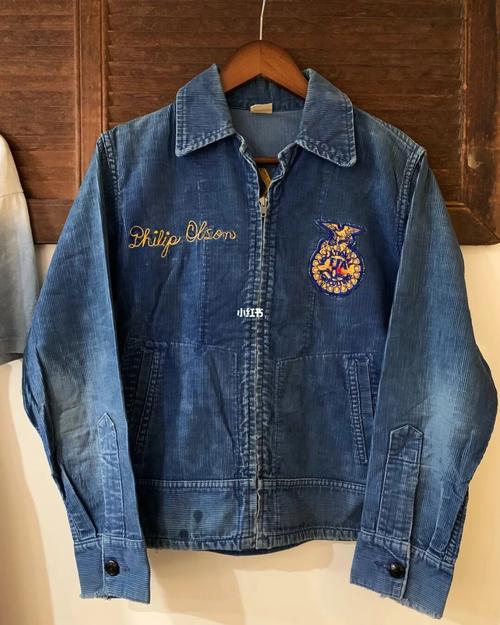
A denim shirt may appear to be a relatively simple garment, but there are many technical details behind a well-made product.
The fabric needs to have the right weight and hand feel. The pattern needs to provide the intended fit. Seams must be strong enough for regular wear, while buttons, labels, pockets, and other details need to be properly attached.
The washing process can also significantly change the appearance and feel of denim.
A reliable manufacturer understands how these elements work together and can help your brand avoid unnecessary production problems.
Instead of looking only at the lowest quoted price, brands should evaluate a manufacturer’s overall capabilities, communication, flexibility, quality standards, and ability to support long-term production.
1. Check the Manufacturer’s Denim Experience
The first thing to consider is experience.
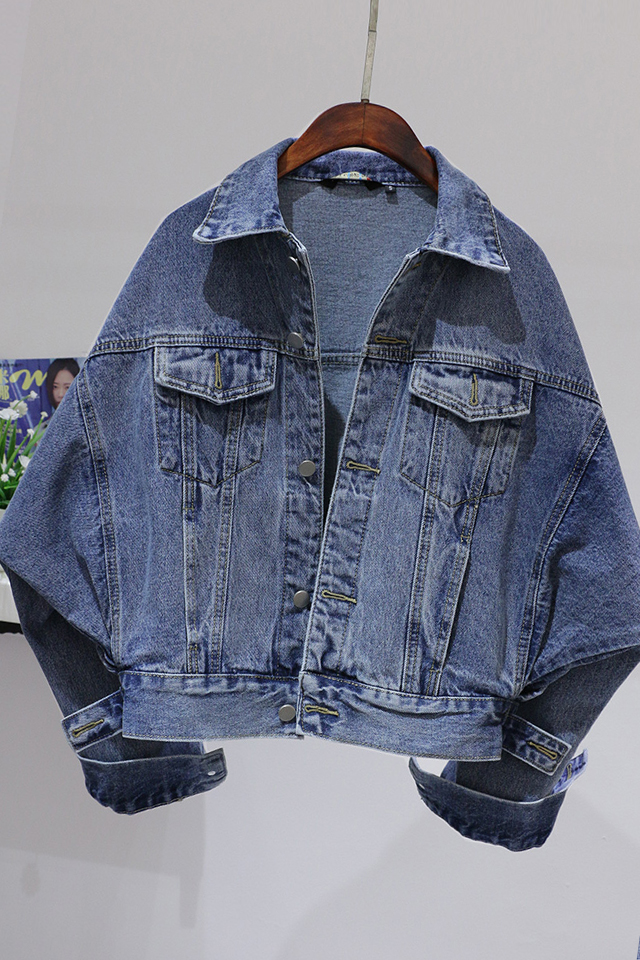
Denim production has different requirements from manufacturing basic cotton T-shirts or lightweight woven shirts. Denim fabrics can vary considerably in weight, stretch, construction, color, and finishing requirements.
An experienced denim shirt manufacturer should understand:
- Denim fabric selection
- Pattern construction
- Garment fitting
- Reinforced stitching
- Pocket construction
- Button and hardware application
- Garment washing
- Color consistency
- Finishing techniques
- Quality inspection
Manufacturing experience also helps when unexpected issues occur during development. Instead of simply following instructions, an experienced production team can recommend practical solutions that improve the final garment.
2. Look for Flexible Customization
Every clothing brand has different requirements.
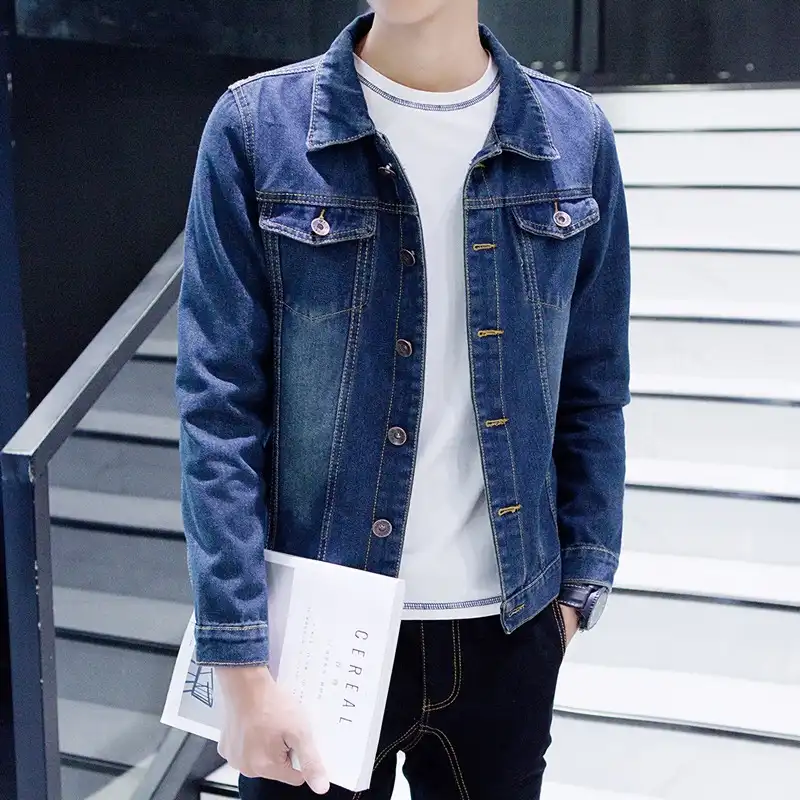
Some brands may want classic Western denim shirts, while others may prefer oversized silhouettes, cropped designs, workwear-inspired styles, or contemporary fashion pieces.
A capable manufacturer should be able to adapt production according to your specifications.
Customization may include:
- Shirt silhouette
- Collar shape
- Sleeve length
- Pocket design
- Button style
- Stitching details
- Fabric weight
- Denim color
- Wash effect
- Logo placement
- Labels
- Packaging
This level of flexibility is especially important for private label brands that want their products to have a distinctive identity.
3. Evaluate Fabric Sourcing Capabilities
Fabric is one of the most important components of any denim shirt.
A professional manufacturer should be able to provide several material options depending on the requirements of your collection.
Common choices include:
100% Cotton Denim
Traditional cotton denim provides durability and an authentic denim appearance. It is suitable for classic denim shirts and structured designs.
Stretch Denim
Adding a small percentage of stretch fibers can improve flexibility and comfort. This can be useful for fitted shirts or designs intended for everyday movement.
Lightweight Denim
Lightweight denim is suitable for spring and summer collections. It provides the visual character of denim while remaining more breathable and comfortable in warm weather.
Recycled or Sustainable Materials
Brands with environmentally responsible positioning may choose recycled fibers or other lower-impact material options.
The right manufacturer should help you select a fabric that balances appearance, performance, cost, and target-market expectations.
4. Ask About Sampling and Product Development
Never rely only on pictures or technical drawings when developing a new denim shirt.
A proper sample allows you to evaluate the actual product before committing to bulk production.
A professional development process may include:
- Design consultation
- Technical specification review
- Pattern development
- Fabric selection
- Prototype production
- Fit evaluation
- Design adjustments
- Final sample approval
Monsoon Apparel describes a similar concept-to-production workflow, beginning with design and concept development, followed by prototyping and sample approval before mass production.
This process gives brands an opportunity to correct fit, construction, fabric, and appearance issues before larger quantities are produced.
5. Consider Denim Washing Capabilities
Washing is one of the defining characteristics of denim apparel.
Two shirts made from the same denim fabric can look completely different depending on the washing and finishing process.
Depending on your product concept, you may consider finishes such as:
- Stone wash
- Enzyme wash
- Acid wash
- Vintage wash
- Garment wash
- Soft wash
- Distressed effects
- Faded finishes
The manufacturer should be able to communicate clearly about how a selected washing process will affect color, softness, shrinkage, and overall appearance.
For fashion brands, this is particularly important because the approved sample needs to be reproduced consistently during bulk production.
6. Review Quality Control Procedures
Quality control should not happen only after production is finished.
A reliable denim shirt manufacturer should monitor quality throughout the manufacturing process.
Important inspection points may include:
- Fabric quality
- Fabric color
- Cutting accuracy
- Stitching
- Measurements
- Pocket placement
- Button attachment
- Label positioning
- Washing results
- Final appearance
- Packaging
Consistent quality control reduces the risk of receiving garments that do not match the approved sample.
For brands selling through their own websites, boutiques, or retail partners, product consistency is particularly important because customer expectations are directly connected to brand reputation.
7. Consider Minimum Order Quantity
Minimum order quantity is another important consideration.
Large manufacturers may require very high production volumes, which can create unnecessary inventory risk for new brands.
Flexible MOQ options can be particularly useful for:
- Fashion startups
- New private label brands
- Capsule collections
- Seasonal launches
- Product testing
- Limited-edition releases
Monsoon Apparel states that it supports businesses of different sizes with low MOQ solutions, helping brands reduce inventory costs and overstocking risks.
A flexible production partner allows a brand to test new denim shirt designs before increasing production volumes.
8. Check Private Label Services
If you are building your own fashion brand, manufacturing is only part of the project.
Your denim shirts should also present a consistent brand identity.
A full-service manufacturer can support custom branding elements such as:
- Woven labels
- Printed labels
- Care labels
- Hang tags
- Custom buttons
- Embroidery
- Screen printing
- Branded packaging
Monsoon Apparel provides private label and OEM services, including custom labels, logo placement, branded hardware, packaging, embroidery, screen printing, and patchwork.
These details can turn a standard denim shirt into a product specifically developed for your brand.
9. Evaluate Production Capacity
Your manufacturing partner should be able to support your business not only today but also as it grows.
A small startup may initially need a limited production run. Later, successful products may require significantly larger quantities.
Therefore, ask whether the manufacturer can handle both development orders and larger production programs.
A scalable partner can help you avoid changing suppliers every time your sales volume increases.
10. Communication Is Part of Manufacturing Quality
Clear communication is often underestimated when choosing an apparel supplier.
A strong manufacturing relationship requires communication about:
- Design specifications
- Material selection
- Samples
- Production schedules
- Quality requirements
- Packaging
- Shipping
- Product changes
Monsoon Apparel emphasizes personalized support and communication throughout product development and production, with support covering pricing, customization, production, and other order requirements.
Good communication can prevent small misunderstandings from becoming expensive production problems.
Why Consider Monsoon Apparel?
Monsoon Apparel provides custom clothing manufacturing services for brands seeking product development, private labeling, OEM production, and flexible manufacturing support. The company works with clients across international markets and provides services covering fabric sourcing, design development, prototyping, sample approval, mass production, packaging, and shipping.
Its denim manufacturing capabilities include custom product development, material sourcing, private label services, low MOQ options, and quality control. The company also states that it works with a range of denim materials, including stretch denim, raw denim, selvedge, and recycled blends.
For brands looking to develop denim shirts under their own label, having these services available through one manufacturing partner can simplify product development and supply chain management.
Final Thoughts
Finding the right denim shirt manufacturer requires more than comparing factory prices. Brands should consider experience, fabric sourcing, customization, sampling, washing capabilities, quality control, MOQ, private labeling, production capacity, and communication.
A strong manufacturing partner should be able to understand your product vision and help transform it into a finished garment that meets your quality expectations.
For startups, private label businesses, and established fashion brands, choosing the right manufacturer can create a more efficient path from initial design to finished denim shirt. With the right combination of technical expertise, flexible production, quality management, and personalized support, your brand can develop denim products that are designed to stand out in a competitive market.
Get a Quote Now