Building a successful clothing brand requires much more than great designs. Behind every high-quality garment is a manufacturing partner that can consistently deliver products on time, maintain strict quality standards, and adapt as your business grows. When it comes to producing vests, choosing the right vest manufacturer is one of the most important decisions you can make.
Whether you sell fashion apparel, outdoor clothing, workwear, corporate uniforms, or promotional garments, your manufacturing partner directly impacts your brand reputation and customer satisfaction. A reliable manufacturer doesn’t simply produce garments—they help streamline your supply chain, reduce production risks, and support your long-term business goals.
In this article, we’ll explore how an experienced vest manufacturer contributes to business growth and what factors you should evaluate before selecting one.
Why Vests Remain a Strong Product Category
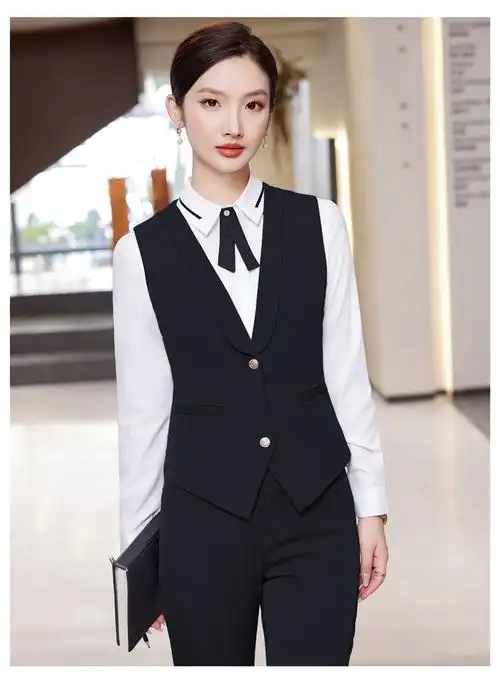
Vests continue to be popular because they combine functionality with versatility. Unlike many garments that are limited to a specific season, vests can be designed for year-round use.
Some of the most common applications include:
- Casual fashion collections
- Outdoor adventure apparel
- Hiking and camping gear
- Corporate uniforms
- Industrial workwear
- Hospitality uniforms
- Logistics and warehouse apparel
- Safety clothing
- Promotional merchandise
- Sports and fitness wear
This broad market demand makes vests an attractive product category for both new and established clothing brands.
Because customers have different expectations depending on the intended use, manufacturers must understand how to produce garments that balance comfort, durability, and appearance.
The Value of Working with an Experienced Manufacturer
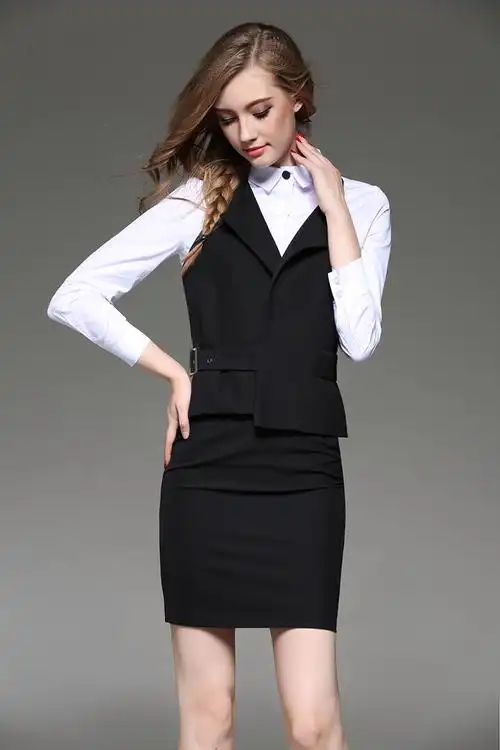
Not all garment factories specialize in vest production. While many factories can sew basic apparel, producing premium-quality vests requires specialized knowledge.
Different vest styles require different manufacturing techniques.
For example:
- Quilted vests require accurate stitching alignment.
- Insulated vests need evenly distributed filling.
- Softshell vests require laminated fabric handling.
- Utility vests involve multiple pockets and reinforced seams.
- Safety vests require reflective materials and durable construction.
An experienced vest manufacturer understands these technical differences and has production systems designed specifically for these products.
Product Development Starts Before Production
Many people assume manufacturing begins once fabrics are cut. In reality, successful production starts much earlier.
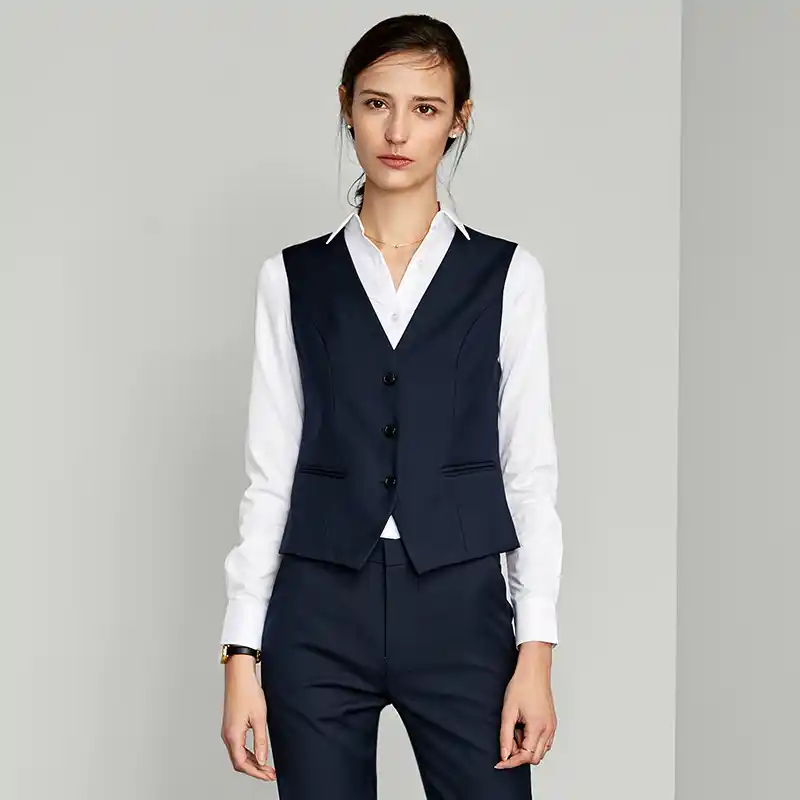
Professional manufacturers usually begin with product development.
This stage includes:
- Reviewing design concepts
- Evaluating technical specifications
- Creating production patterns
- Recommending suitable fabrics
- Selecting trims and accessories
- Estimating production costs
Identifying potential issues during development reduces production delays later.
For brands launching new collections, this early collaboration often leads to better products and smoother manufacturing.
Choosing the Right Fabric
Fabric selection influences almost every aspect of a finished vest.
The right material affects:
- Comfort
- Weight
- Durability
- Weather resistance
- Appearance
- Manufacturing cost
- Customer satisfaction
Popular options include:
Polyester
Widely used for workwear, sportswear, and lightweight outerwear due to its durability and affordability.
Nylon
Offers excellent abrasion resistance and is commonly used in outdoor products.
Cotton Canvas
Suitable for workwear and lifestyle products that require durability with a natural appearance.
Softshell Fabric
Combines flexibility, breathability, and weather resistance.
Ripstop Fabric
Designed to resist tearing, making it ideal for outdoor and tactical garments.
Recycled Materials
Many brands now incorporate recycled polyester and environmentally responsible fabrics into their collections to support sustainability initiatives.
Experienced manufacturers can recommend materials based on your product goals instead of simply choosing the lowest-cost option.
Sampling Reduces Manufacturing Risks
Sampling is one of the most valuable stages in apparel manufacturing.
Rather than proceeding directly to mass production, manufacturers create prototype garments for evaluation.
During sampling, brands can assess:
- Fit
- Size accuracy
- Fabric performance
- Color matching
- Construction quality
- Branding placement
- Pocket functionality
- Overall appearance
Making adjustments before bulk production is significantly less expensive than correcting problems after thousands of garments have already been manufactured.
Consistent Quality Protects Your Brand
Customers expect every product they purchase to meet the same quality standards.
Reliable manufacturers establish quality control systems throughout production instead of relying only on final inspections.
Quality inspections often include:
Incoming Material Inspection
Raw materials are checked before production begins.
Cutting Inspection
Pattern accuracy is verified to maintain sizing consistency.
Sewing Inspection
Operators monitor stitch quality, seam strength, and construction throughout production.
Finishing Inspection
Garments are pressed, cleaned, trimmed, and checked for cosmetic defects.
Final Random Inspection
Completed garments undergo measurement verification, branding inspection, packaging review, and random quality sampling before shipment.
This structured approach minimizes defects and improves customer satisfaction.
Flexible Production Supports Business Growth
Many clothing brands start with relatively small order quantities.
As demand increases, production requirements change.
A dependable vest manufacturer should be able to support businesses at every stage.
Typical production stages include:
- Sample development
- Small trial orders
- Seasonal production
- Large wholesale orders
- Long-term manufacturing partnerships
Working with a scalable manufacturer eliminates the need to change suppliers as your business expands.
This continuity improves efficiency and helps maintain consistent product quality.
Communication Is Just as Important as Production
Successful apparel manufacturing depends on clear communication.
Throughout production, manufacturers should provide updates regarding:
- Sample progress
- Fabric sourcing
- Production schedules
- Quality inspections
- Packaging
- Shipping timelines
Transparent communication helps brands make informed decisions and respond quickly if adjustments are needed.
Manufacturers with dedicated project managers often provide a smoother production experience.
Private Label Manufacturing Helps Build Brand Identity
Many apparel businesses choose private label production to establish a stronger market presence.
Private labeling allows your products to feature your own brand rather than the manufacturer’s.
Customization options typically include:
- Woven labels
- Printed neck labels
- Care labels
- Hang tags
- Embroidery
- Screen printing
- Heat transfer logos
- Rubber patches
- Custom zipper pullers
- Branded packaging
These branding elements create a professional presentation and increase customer recognition.
Sustainability Is Becoming a Competitive Advantage
Consumers increasingly appreciate brands that demonstrate environmental responsibility.
Many manufacturers now support sustainable production by offering:
- Recycled fabrics
- Organic cotton
- Eco-friendly packaging
- Efficient material utilization
- Waste reduction programs
- Responsible sourcing practices
Integrating sustainable materials into your vest collection can enhance your brand image while meeting changing customer expectations.
Why Brands Around the World Choose Monsoon Apparel
Finding a manufacturing partner that combines technical expertise, reliable production, and responsive service is essential for long-term success. Monsoon Apparel works with startups, established brands, wholesalers, and retailers to develop custom apparel that meets diverse market needs.
From initial product development and fabric sourcing to sample creation, bulk manufacturing, private labeling, quality inspection, and international shipping, Monsoon Apparel offers a complete manufacturing solution under one roof. Flexible minimum order quantities make it easier for new brands to enter the market, while scalable production capacity supports growing businesses as demand increases.
With extensive experience in producing fashion vests, workwear, outdoor apparel, uniforms, and customized garments, Monsoon Apparel focuses on delivering products that combine consistent quality with efficient production management. By working closely with clients throughout every stage of the manufacturing process, the company helps transform product ideas into finished garments that are ready for global markets.
Final Thoughts
Choosing the right vest manufacturer is an investment in your brand’s future. Beyond producing garments, a professional manufacturing partner contributes to product quality, efficient communication, reliable delivery, and long-term business growth.
As competition in the apparel industry continues to increase, brands that prioritize strong manufacturing partnerships are better equipped to deliver consistent products, build customer trust, and expand into new markets. Whether you’re introducing your first vest collection or growing an established apparel business, selecting an experienced manufacturer is one of the most valuable decisions you can make.
Get a Quote Now