As competition in the apparel industry continues to increase, brands are constantly searching for efficient ways to expand their product offerings while maintaining quality and profitability. One of the most effective solutions is OEM sock manufacturing.
OEM (Original Equipment Manufacturing) allows businesses to develop and sell socks under their own brand name while leveraging the expertise, facilities, and production capabilities of professional sock manufacturers. This approach has become increasingly popular among fashion brands, sports companies, retailers, promotional product businesses, and eCommerce entrepreneurs.
Instead of investing heavily in production equipment, factory operations, and technical expertise, brands can partner with experienced OEM sock manufacturers to bring their ideas to life. This business model provides flexibility, scalability, and access to high-quality production resources.
In this guide, we’ll explore how OEM sock manufacturing works, its benefits, and why it has become a preferred strategy for growing apparel brands worldwide.
What Is OEM Sock Manufacturing?
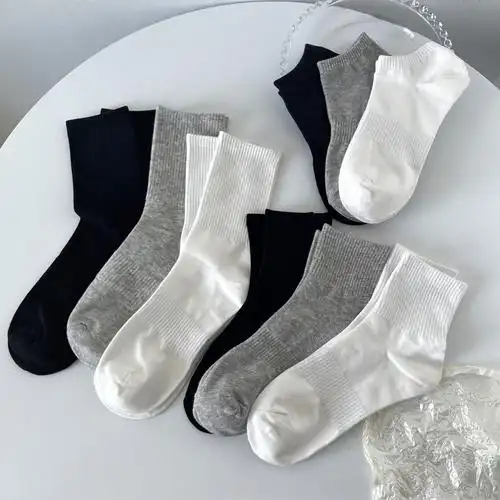
OEM sock manufacturing refers to a production arrangement in which a manufacturer produces socks according to a client’s specifications, while the finished products are sold under the client’s brand name.
The manufacturer handles production, while the brand manages areas such as:
- Marketing
- Sales
- Branding
- Customer service
- Distribution
This allows businesses to focus on growth and customer acquisition without the complexities of operating a manufacturing facility.
OEM manufacturing is widely used by companies that want complete control over branding while benefiting from professional production expertise.
How OEM Sock Manufacturing Works
The OEM production process typically follows several stages.
Step 1: Product Concept Development
The process begins with an idea.
Brands define product requirements such as:
- Target market
- Product category
- Design preferences
- Material selection
- Packaging requirements
- Performance features
Having a clear vision helps streamline development and ensures that the final product aligns with business objectives.
Step 2: Design and Technical Planning
Once the concept is established, the manufacturer helps convert ideas into production-ready specifications.
This may include:
- Sock dimensions
- Color matching
- Pattern creation
- Logo placement
- Material recommendations
- Construction details
Professional guidance during this stage helps prevent costly production issues later.
Step 3: Sample Production
Before mass production begins, manufacturers create samples for approval.
Samples allow brands to assess:
- Comfort
- Fit
- Appearance
- Durability
- Design accuracy
Most successful OEM projects involve multiple rounds of refinement before final approval.
Step 4: Bulk Production
After sample approval, the manufacturer proceeds with mass production.
Advanced knitting equipment and quality control procedures help ensure consistency throughout the production process.
Step 5: Packaging and Shipping
Once production is completed, products are packaged according to the client’s specifications and prepared for shipment.
Many OEM manufacturers also assist with international logistics and export documentation.
Benefits of OEM Sock Manufacturing
OEM manufacturing offers several advantages that make it attractive for both startups and established brands.
Reduced Capital Investment
Building a sock factory requires substantial investment in:
- Knitting machines
- Production facilities
- Skilled labor
- Inventory management
- Quality control systems
OEM manufacturing eliminates these expenses by providing immediate access to existing production infrastructure.
Faster Market Entry
Because manufacturers already have established production systems, brands can launch products more quickly.
This speed is particularly important in competitive industries where market trends change rapidly.
Professional Manufacturing Expertise
Experienced sock manufacturers understand:
- Yarn performance
- Knitting techniques
- Production efficiency
- Quality assurance
- Product engineering
This expertise helps brands create better products while avoiding common manufacturing mistakes.
Scalability
OEM manufacturing allows businesses to scale production as demand grows.
Brands can start with relatively small orders and gradually increase volume without major operational changes.
Popular Products Produced Through OEM Sock Manufacturing
Professional sock manufacturers can produce a wide variety of products.
Athletic Socks
Athletic socks remain one of the largest product categories.
Features often include:
- Moisture-wicking fabrics
- Arch support
- Compression zones
- Cushioned soles
- Breathable construction
Fashion Socks
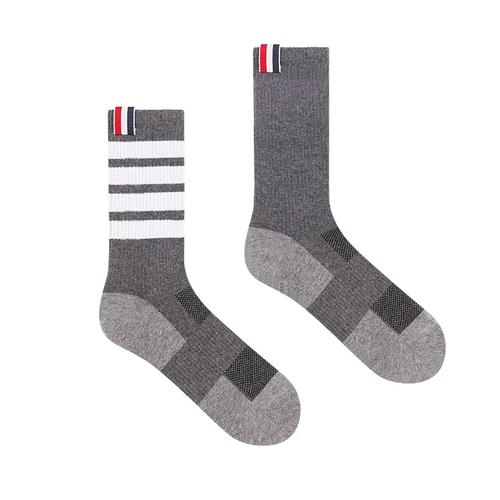
Fashion socks focus on design and visual appeal.
These products frequently feature:
- Custom artwork
- Trend-driven patterns
- Brand-specific graphics
- Seasonal collections
Compression Socks
Compression products continue to experience growing demand among:
- Athletes
- Healthcare professionals
- Travelers
- Wellness consumers
Work Socks
Designed for demanding environments, work socks emphasize durability, comfort, and protection.
Specialty Socks
OEM manufacturers can also produce:
- Hiking socks
- Cycling socks
- Grip socks
- Thermal socks
- Medical socks
- Children’s socks
This flexibility allows brands to target highly specific customer segments.
Choosing the Right OEM Sock Manufacturer
Not all manufacturers offer the same capabilities.
Selecting the right partner requires careful evaluation.
Manufacturing Experience
Look for manufacturers with proven expertise in sock production.
Experienced factories typically offer:
- Better quality control
- Greater technical knowledge
- More efficient production processes
Customization Capabilities
Your manufacturer should support:
- Custom colors
- Logos
- Patterns
- Packaging
- Material options
The ability to customize products helps strengthen brand differentiation.
Production Capacity
A manufacturer should be capable of supporting both current and future production requirements.
Ask about:
- Monthly capacity
- Peak-season capabilities
- Expansion options
Communication and Transparency
Clear communication is essential for successful OEM partnerships.
Reliable manufacturers provide regular updates and respond quickly to questions or concerns.
Quality Assurance Systems
Quality should never be compromised.
Ask manufacturers about their procedures for:
- Material inspection
- Production monitoring
- Finished product testing
- Packaging verification
Strong quality assurance protects your brand reputation.
Why OEM Manufacturing Supports Long-Term Brand Growth
One of the greatest advantages of OEM manufacturing is its ability to support sustainable growth.
Rather than investing resources into factory management, brands can focus on:
- Product innovation
- Marketing campaigns
- Customer experience
- Market expansion
- Strategic partnerships
This allows businesses to remain agile while maintaining access to professional manufacturing expertise.
As consumer demand evolves, OEM partnerships provide the flexibility needed to adapt quickly and remain competitive.
Why Brands Work with Monsoon Apparel
At Monsoon Apparel, we provide comprehensive OEM sock manufacturing services designed to help brands develop high-quality products efficiently and cost-effectively.
Our services include:
- OEM sock production
- Private label manufacturing
- Custom design support
- Premium yarn sourcing
- Sample development
- Flexible order quantities
- Custom packaging
- Quality assurance programs
- Worldwide shipping solutions
We work with startups, apparel brands, retailers, sports companies, and promotional product businesses looking for dependable manufacturing partnerships.
Our team is committed to helping clients create products that reflect their brand identity while meeting the highest quality standards.
Conclusion
OEM sock manufacturing offers a practical and scalable solution for businesses seeking to develop high-quality branded products without investing in factory operations.
By partnering with experienced sock manufacturers, brands gain access to professional production capabilities, technical expertise, and flexible manufacturing solutions that support long-term growth.
Whether you are launching a new sock brand or expanding an existing apparel collection, OEM manufacturing can help reduce costs, accelerate product development, and strengthen your competitive position in the marketplace.
With the right manufacturing partner, businesses can focus on building their brand while delivering exceptional products that customers trust and enjoy.