The baby clothing industry has undergone significant changes in recent years. Modern parents are becoming increasingly conscious of the materials, production methods, and environmental impact associated with the products they purchase for their children. As a result, demand for organic baby clothing continues to rise across global markets.
For babywear brands, retailers, and startups, this shift presents a valuable opportunity. Consumers are no longer focused solely on style and affordability—they also want products that are safe for their babies and responsibly produced. This growing demand has made organic baby clothing one of the fastest-growing segments within the apparel industry.
Partnering with an experienced organic baby clothing manufacturer can help brands meet these evolving expectations while building a stronger reputation in a competitive marketplace.
In this article, we explore why organic babywear is gaining momentum, what brands should look for in a manufacturing partner, and how sustainable production is shaping the future of baby apparel.
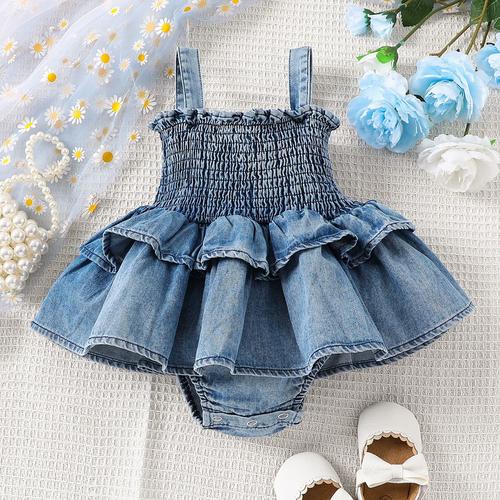
The Rising Demand for Organic Baby Clothing
Parents naturally want the best for their children. Since babies have delicate and sensitive skin, clothing choices often become a priority for health-conscious families.
Many conventional fabrics are produced using chemicals, pesticides, and industrial treatments that may concern modern consumers. Organic baby clothing offers an alternative that aligns with growing awareness about wellness and sustainability.
Several factors are driving demand for organic baby apparel:
- Increased awareness of skin sensitivities
- Growing interest in sustainable lifestyles
- Preference for natural fibers
- Demand for eco-friendly products
- Greater transparency in supply chains
- Expansion of environmentally conscious parenting communities
As consumer preferences continue to evolve, brands that embrace sustainable babywear are well-positioned for long-term growth.
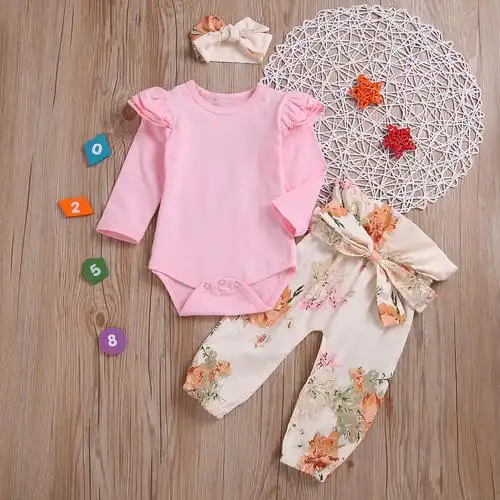
What Is Organic Baby Clothing?
Organic baby clothing is typically manufactured using natural fibers that are grown and processed according to environmentally responsible standards.
The most common material used is organic cotton.
Unlike conventional cotton farming, organic cotton production generally focuses on:
- Reduced chemical usage
- Responsible farming practices
- Soil health preservation
- Lower environmental impact
- Sustainable resource management
For babywear brands, organic fabrics provide an opportunity to offer products that appeal to both health-conscious and environmentally conscious consumers.
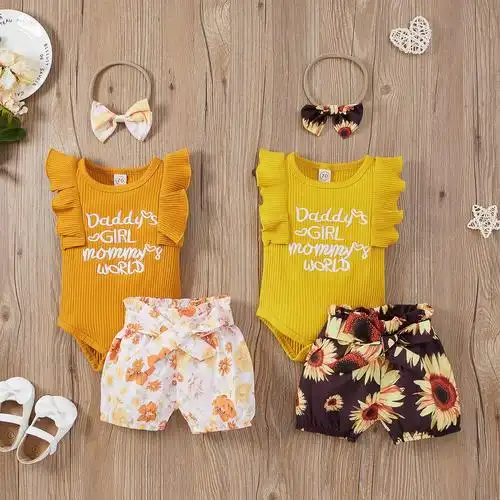
Why Organic Fabrics Are Ideal for Baby Apparel
Softness and Comfort
Comfort is one of the most important considerations in baby clothing.
Organic cotton fabrics are known for their soft texture, making them suitable for newborns and infants who require gentle materials against their skin.
Soft fabrics can help improve overall comfort throughout the day and night.
Breathability
Babies are sensitive to temperature fluctuations.
Organic cotton provides excellent breathability, helping improve airflow and supporting comfort in various climates.
This makes organic babywear suitable for:
- Bodysuits
- Sleepwear
- Rompers
- Everyday essentials
- Layering garments
Reduced Exposure to Harsh Chemicals
Many parents seek organic products because they prefer materials produced with fewer synthetic chemicals.
While every manufacturer should follow applicable safety standards, organic fabrics often appeal to consumers who prioritize natural materials and transparent sourcing.
Durability
High-quality organic fabrics can provide excellent durability when properly manufactured.
Parents appreciate garments that maintain their softness and appearance after repeated washing, especially because baby clothing is frequently laundered.
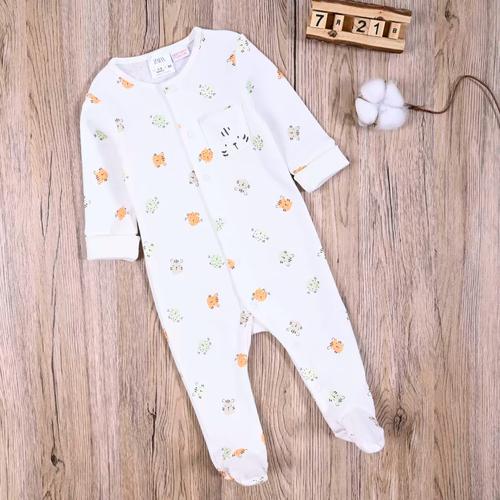
Sustainable Babywear Is More Than Fabric
When evaluating an organic baby clothing manufacturer, sustainability should extend beyond the fabric itself.
A comprehensive approach includes multiple aspects of responsible production.
Ethical Manufacturing Practices
Today’s consumers increasingly care about how products are made.
Responsible manufacturers prioritize:
- Fair labor practices
- Safe working environments
- Skilled craftsmanship
- Transparent production systems
Ethical manufacturing contributes to stronger brand credibility and consumer trust.
Responsible Material Sourcing
A reliable manufacturing partner should maintain strong relationships with reputable textile suppliers and sourcing networks.
Traceable sourcing allows brands to better understand where materials originate and how they are produced.
Waste Reduction Initiatives
Many modern apparel manufacturers are implementing strategies to reduce production waste.
Examples include:
- Efficient cutting techniques
- Fabric utilization optimization
- Recycling programs
- Reduced packaging waste
Sustainability efforts can create long-term value for both manufacturers and brands.
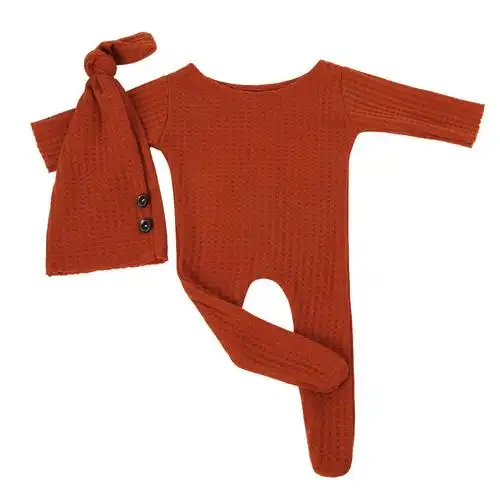
Essential Organic Baby Clothing Products
Brands entering the sustainable babywear market often begin with core product categories.
Organic Baby Bodysuits
Bodysuits remain a staple item in every baby wardrobe.
Parents often prioritize softness, comfort, and durability when selecting these everyday essentials.
Organic Rompers
Organic rompers offer versatility and comfort while maintaining a stylish appearance.
Organic Sleepwear
Sleepwear is one of the most important categories in baby apparel.
Comfortable fabrics can contribute to a better nighttime experience for infants and parents alike.
Newborn Essentials
Many organic collections include:
- Hats
- Bibs
- Swaddles
- Mittens
- Receiving blankets
These products are often purchased as gifts and starter bundles for new parents.
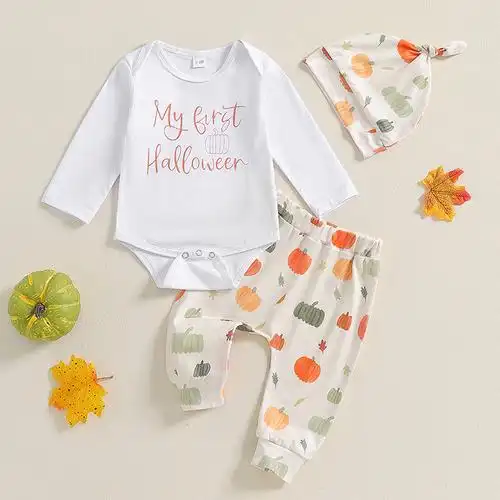
Matching Sets
Coordinated organic baby sets have become increasingly popular among consumers seeking practical and stylish options.
Benefits of Working with an Organic Baby Clothing Manufacturer
Choosing a specialized manufacturing partner provides numerous advantages.
Access to Premium Materials
Experienced manufacturers often have established sourcing relationships that provide access to high-quality organic fabrics.
Product Development Expertise
Manufacturers can assist with:
- Pattern development
- Technical specifications
- Sampling
- Fabric selection
- Size grading
These services help streamline the development process.
Consistent Quality
Maintaining quality standards is essential for babywear brands.
Reliable manufacturers implement rigorous quality control procedures throughout production to ensure consistency across all garments.
Scalability
As your business grows, manufacturing capacity becomes increasingly important.
A capable production partner can support larger order volumes while maintaining quality standards and delivery timelines.
What to Look for in an Organic Baby Clothing Manufacturer
Not all manufacturers offer the same level of expertise and support.
When evaluating potential partners, consider:
Industry Experience
Look for manufacturers with specific experience producing baby apparel.
Fabric Sourcing Capabilities
The ability to source premium organic and sustainable fabrics is essential.
Sampling and Development Services
Comprehensive development support can help reduce errors and accelerate product launches.
Flexible MOQs
Low minimum order quantities are particularly beneficial for startups and emerging brands.
Quality Control Systems
Strong inspection procedures help ensure product consistency and customer satisfaction.
Communication and Transparency
Successful manufacturing partnerships rely on clear communication, accurate timelines, and transparent processes.
The Future of Organic Babywear
Consumer demand for sustainable products shows no signs of slowing down. As environmental awareness grows, more parents are actively seeking brands that align with their values.
This trend is creating opportunities for babywear companies that prioritize:
- Sustainable materials
- Ethical production
- Product quality
- Transparency
- Long-term environmental responsibility
Brands that invest in organic baby clothing today are positioning themselves to meet the expectations of tomorrow’s consumers.
Final Thoughts
Organic baby clothing is no longer a niche category. It has become an important part of the modern baby apparel market, driven by growing consumer awareness, sustainability concerns, and demand for premium-quality products.
For brands looking to enter or expand within this growing segment, choosing the right organic baby clothing manufacturer is critical. A trusted manufacturing partner can provide access to quality materials, product development expertise, flexible production capabilities, and dependable quality control.
At Monsoon Apparel, we help babywear brands create premium organic and sustainable baby clothing collections through expert product development, fabric sourcing, private label manufacturing, and scalable production solutions. By combining quality craftsmanship with responsible manufacturing practices, we help brands deliver products that meet the expectations of today’s parents and support long-term business growth.