Choosing the right sweatshirt manufacturer is one of the most important decisions for any apparel brand. Whether you are launching a startup clothing line, managing an established fashion business, or sourcing products for a retail operation, the quality of your manufacturer directly affects your brand reputation, customer satisfaction, and long-term growth.
Many businesses focus primarily on pricing when selecting a supplier. While cost is certainly important, it should never be the only factor. A lower price can sometimes lead to inconsistent quality, production delays, customer complaints, and increased return rates. In contrast, working with a reliable sweatshirt manufacturer can help ensure that every garment meets your expectations and supports your brand’s standards.
Before committing to a production partner, it is essential to evaluate their quality capabilities thoroughly. This guide outlines the most important factors to consider when assessing sweatshirt manufacturers and helps you make a more informed sourcing decision.
Why Manufacturing Quality Matters
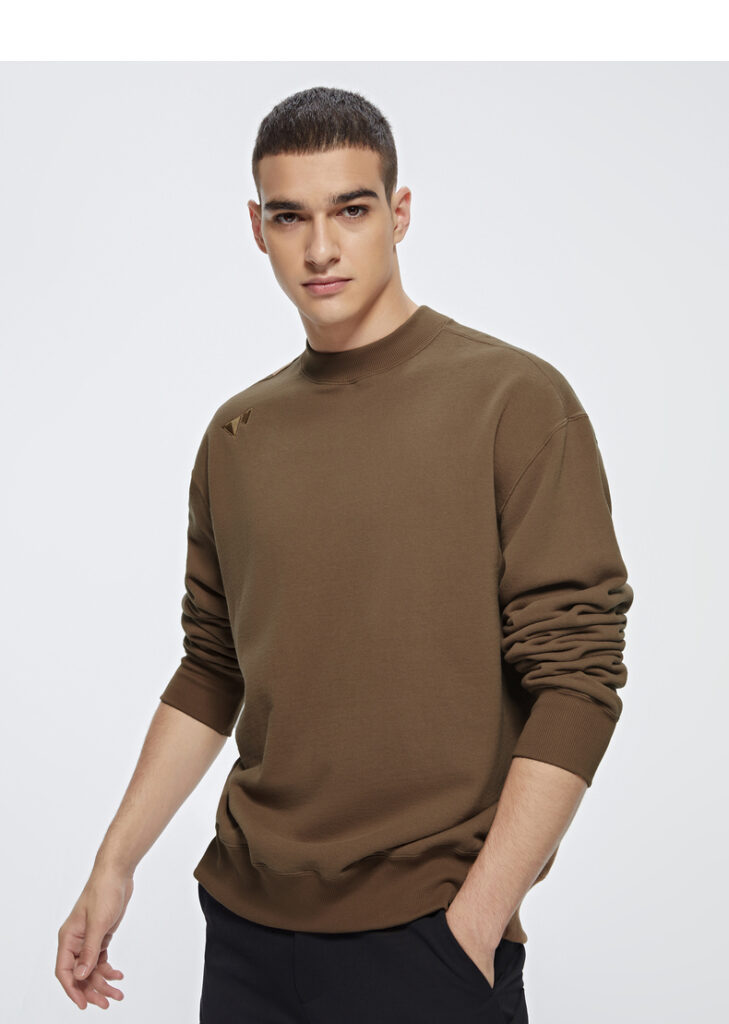
Consumers today have countless apparel options available. If a sweatshirt shrinks after washing, loses its shape, fades quickly, or develops stitching issues, customers may never purchase from the brand again.
High-quality manufacturing contributes to:
- Better customer satisfaction
- Lower return rates
- Stronger brand loyalty
- More positive reviews
- Increased repeat purchases
- Higher perceived product value
For apparel brands, consistent quality often creates a competitive advantage that is difficult for competitors to replicate.
Examine the Manufacturer’s Product Portfolio
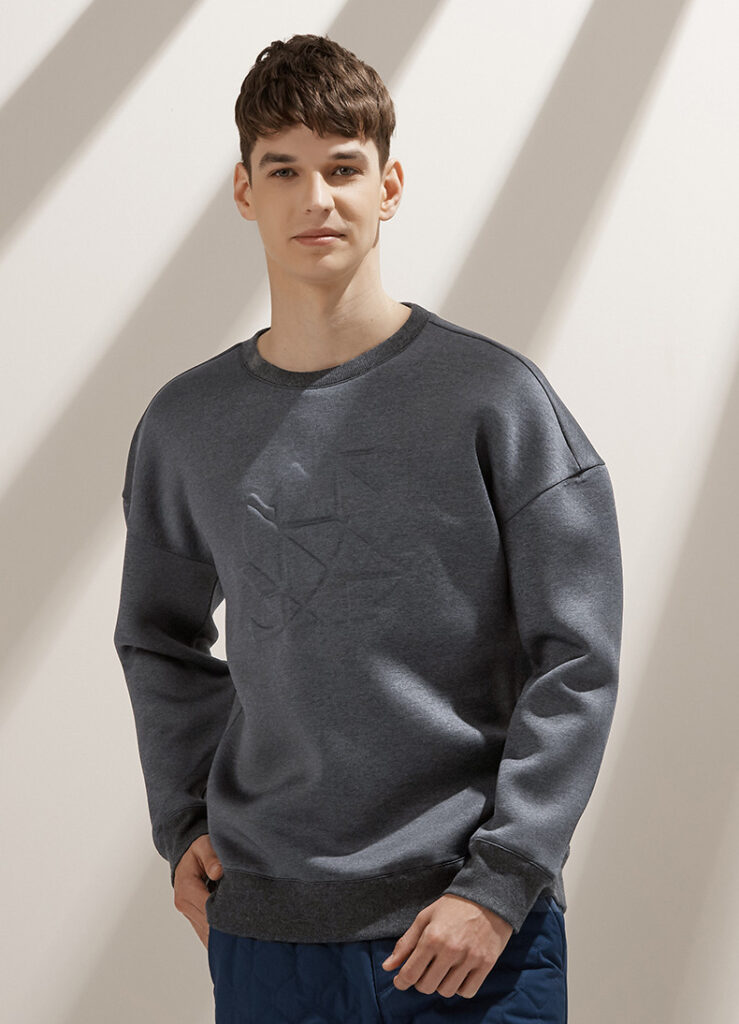
One of the first steps in evaluating a sweatshirt manufacturer is reviewing examples of their previous work.
A strong product portfolio can reveal valuable information about:
- Garment quality
- Design capabilities
- Construction standards
- Customization expertise
- Industry experience
Look for manufacturers that have experience producing:
- Crewneck sweatshirts
- Oversized sweatshirts
- Heavyweight sweatshirts
- Premium fashion sweatshirts
- Athletic sweatshirts
- Streetwear collections
A diverse portfolio often indicates greater flexibility and technical expertise.
Request Physical Samples
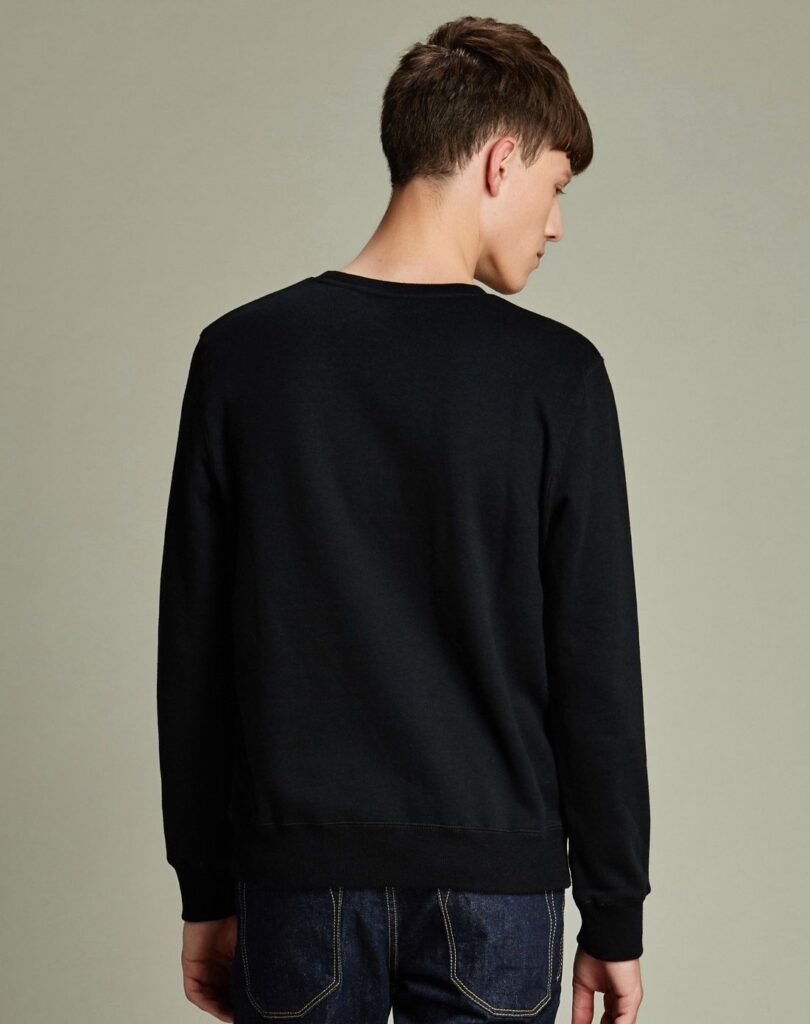
Photographs can be helpful, but they rarely provide a complete picture of product quality.
Requesting samples allows you to evaluate several important factors firsthand.
Fabric Feel
Assess whether the material feels soft, durable, and suitable for your target market.
Stitching Quality
Inspect seams closely to ensure they are clean, consistent, and secure.
Poor stitching can lead to premature garment failure.
Fit and Construction
Check the overall shape, proportions, and garment balance.
Professional manufacturers maintain consistent sizing across all products.
Printing and Embroidery
If customization is required, examine the quality of logos, graphics, and decorative elements.
Well-executed branding contributes significantly to product appeal.
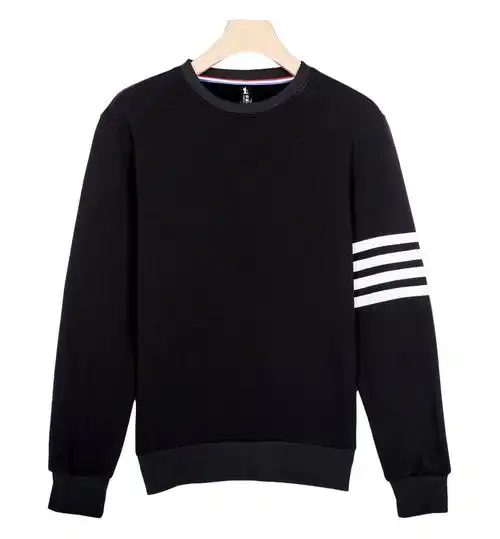
Evaluate Fabric Quality Standards
Fabric quality serves as the foundation of every sweatshirt.
Reliable manufacturers should be transparent about the materials they use and provide detailed fabric specifications when requested.
Important considerations include:
Fabric Composition
Common sweatshirt materials include:
- 100% cotton
- Cotton-polyester blends
- French terry
- Organic cotton
- Recycled fabrics
The chosen composition should align with your product goals and customer expectations.
Fabric Weight
Different markets require different fabric weights.
Examples include:
- Lightweight sweatshirts for mild climates
- Midweight sweatshirts for everyday wear
- Heavyweight sweatshirts for premium collections
Manufacturers should offer multiple fabric options rather than a limited selection.
Fabric Consistency
Consistency is critical for maintaining product quality across multiple production runs.
Ask suppliers how they ensure color consistency and fabric uniformity between orders.
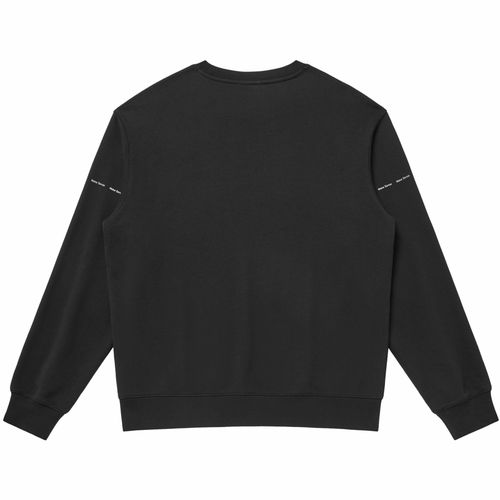
Review Quality Control Procedures
Quality control is one of the strongest indicators of a professional sweatshirt manufacturer.
Manufacturers should have structured inspection processes throughout production.
Key quality control stages often include:
Incoming Material Inspection
Raw materials are checked before production begins.
In-Process Inspection
Production teams monitor garment construction throughout manufacturing.
Final Inspection
Completed garments are evaluated before packaging and shipment.
Questions worth asking include:
- How often are inspections conducted?
- What quality standards are followed?
- How are defects handled?
- What percentage of products undergo final inspection?
Manufacturers with well-documented quality systems are often more reliable partners.
Assess Customization Capabilities
Most modern apparel brands require some level of product customization.
A manufacturer’s ability to execute custom requirements effectively can have a major impact on product quality.
Customization services may include:
Screen Printing
Suitable for graphic-heavy designs and larger production volumes.
Embroidery
Often used for premium logos and branding elements.
Private Labeling
Includes:
- Neck labels
- Care labels
- Woven labels
- Hang tags
Custom Packaging
Branded packaging enhances customer experience and reinforces brand identity.
Manufacturers with extensive customization capabilities can help brands create more distinctive products.
Check Production Consistency
Producing one high-quality sample is relatively easy.
Maintaining that same quality across hundreds or thousands of garments is much more challenging.
When evaluating sweatshirt manufacturers, ask questions such as:
- How do you maintain consistency between production runs?
- What systems are in place to monitor quality?
- Can you provide repeat-order references?
- How do you manage large-volume production?
Consistency is often one of the most important indicators of manufacturing professionalism.
Analyze Communication and Responsiveness
Communication quality often reflects overall business reliability.
Manufacturers should be able to:
- Respond promptly
- Provide clear answers
- Explain production processes
- Offer realistic timelines
- Share accurate quotations
Poor communication early in the sourcing process can become a larger problem during production.
Strong communication helps prevent misunderstandings and reduces project risks.
Verify Manufacturing Capacity
Your current production needs may be relatively small, but future growth requires scalability.
An ideal sweatshirt manufacturer should be capable of supporting:
- Small startup orders
- Medium-sized production runs
- Large-scale manufacturing
Manufacturers that can scale alongside your business provide long-term stability and reduce the need to change suppliers as demand increases.
Consider Sustainability Practices
Many consumers actively seek products manufactured responsibly.
As a result, sustainability has become an important quality consideration.
Forward-thinking sweatshirt manufacturers may offer:
- Organic cotton fabrics
- Recycled materials
- Water-saving processes
- Ethical labor standards
- Reduced waste initiatives
Responsible manufacturing practices can strengthen brand reputation and appeal to environmentally conscious customers.
Why Brands Trust Monsoon Apparel
Finding a sweatshirt manufacturer that consistently delivers quality requires careful evaluation. Monsoon Apparel works with apparel brands around the world to provide dependable manufacturing solutions that prioritize craftsmanship, customization, and reliability.
From product development and fabric sourcing to private labeling, embroidery, printing, and bulk production, Monsoon Apparel supports brands throughout every stage of the manufacturing process. Flexible production options, strict quality standards, and a customer-focused approach help ensure that each project meets both business objectives and customer expectations.
Conclusion
Evaluating sweatshirt manufacturers requires more than comparing prices. Product quality, fabric standards, quality control systems, customization capabilities, communication, and production consistency all play critical roles in determining whether a supplier is the right fit for your business.
By conducting a thorough evaluation before placing an order, apparel brands can reduce risks, improve customer satisfaction, and build stronger foundations for long-term growth. Choosing the right sweatshirt manufacturer is ultimately an investment in your brand’s future success.