
Moisture damage is one of the most frustrating risks in international apparel shipping. Garments that leave a factory in excellent condition can arrive with musty odors, mildew stains, damp cartons, or damaged packaging after several weeks at sea.
For clothing manufacturers, exporters, and fashion brands, preventing mold during ocean freight requires more than simply adding desiccant packets to cartons. Effective moisture control starts on the production floor and continues through garment packing, container loading, and shipment planning.
Understanding how humidity develops during transportation helps apparel businesses protect product quality, reduce claims, and deliver orders in better condition.
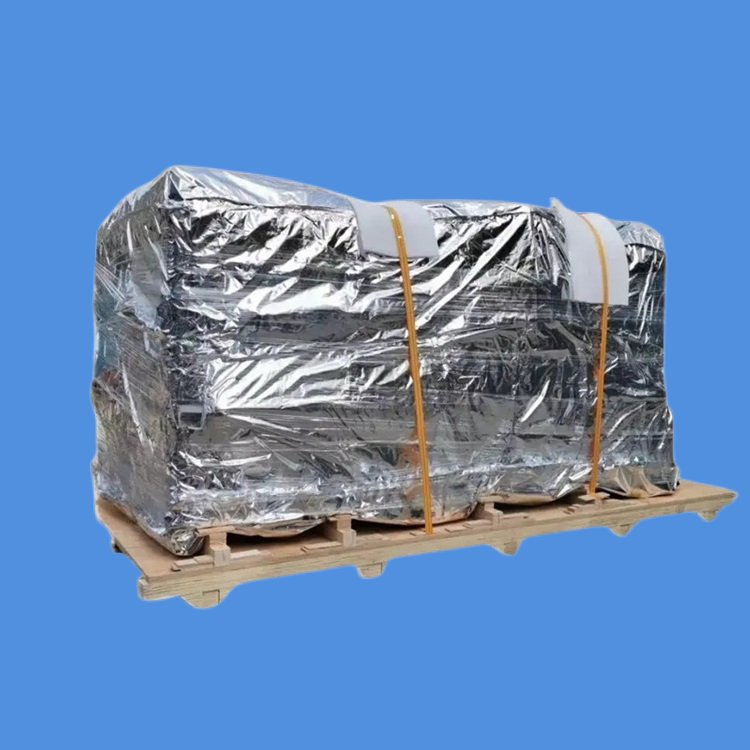
1. Why Does Mold Develop During Sea Freight?
Moisture problems usually result from a combination of humidity, temperature changes, and inadequate packaging practices.
Container condensation
During ocean transportation, shipping containers can experience significant temperature fluctuations. Warm, moisture-laden air may cool when the container encounters lower temperatures. When the interior surfaces or cargo become sufficiently cold, condensation can form on container walls, ceilings, and packaging.
This phenomenon, often called container rain or container sweat, can wet cartons and expose garments to prolonged moisture.
Moisture trapped inside packaging
Garments may retain moisture from washing, dyeing, steaming, finishing, or storage. If clothing is packed before it has dried completely, moisture can become trapped inside polybags and cartons.
Humid warehouse conditions
Factories and warehouses in humid climates face additional challenges. Fabric rolls, finished garments, and corrugated cartons can absorb moisture from surrounding air, especially when stored in poorly ventilated areas.
For apparel exporters, the objective is to control moisture before loading rather than relying entirely on products that absorb it later.
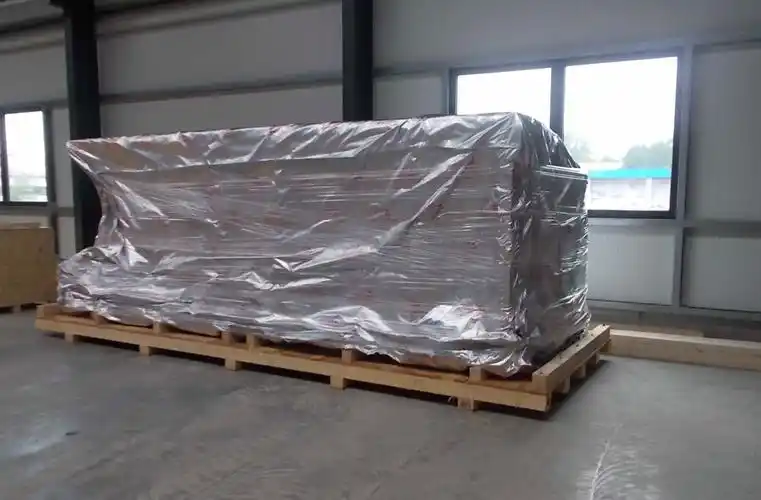
2. Start with Proper Garment Drying and Factory Storage
The most effective mold prevention strategy begins before the packaging process.
After washing, steaming, or finishing, garments should be thoroughly dried and allowed to cool before packing. Quality control teams should pay particular attention to thick fabrics, lined garments, folded seams, pockets, and layered construction, where moisture may remain hidden.
Factories should establish a clean, dry packing area with appropriate ventilation and humidity monitoring. Avoid placing finished garments directly on floors or storing cartons against damp walls.
Fabric rolls and finished goods should also be protected from roof leaks, condensation, and water exposure during temporary storage.
A practical factory checklist includes:
- Verify that garments are completely dry before packing.
- Allow steamed clothing to cool and release residual moisture.
- Keep finished products away from wet floors and humid storage zones.
- Monitor warehouse temperature and relative humidity.
- Separate damp or suspicious goods from approved inventory.
These procedures help reduce the moisture load before garments enter their individual packaging.
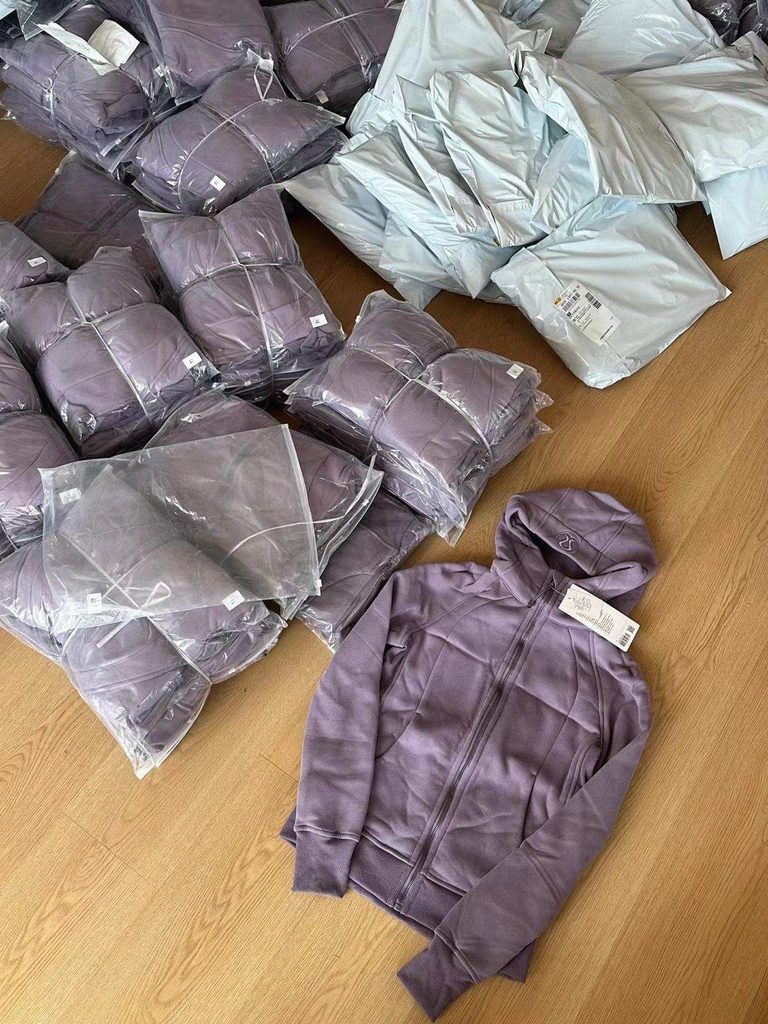
3. Choose Apparel Packaging That Controls Moisture
Packaging should protect garments from dust, handling damage, and external moisture without trapping unwanted humidity inside.
Individual polybags
Polybag packaging helps protect clothing from incidental water exposure and contamination. However, sealing a damp garment inside a plastic bag can create conditions that encourage mold growth.
Ensure garments are dry before sealing bags. Where appropriate, use packaging materials with suitable moisture-barrier properties for the product and shipping environment.
Corrugated cartons
Export cartons should have sufficient strength to withstand stacking, handling, and extended transportation. Store cartons in dry conditions before use, as damp cardboard loses strength and may become more vulnerable to compression damage.
Select carton specifications according to garment weight, packing configuration, and stacking requirements.
Pallets and container floors
Where pallets are used, choose suitable dry pallets and avoid direct contact between cartons and wet surfaces. Container floors should be clean, dry, and free from standing water before loading.
Packaging design should be considered as a complete system. Individual garment bags, cartons, pallet arrangements, and container conditions all influence the final moisture risk.
4. How to Use Desiccants for Apparel Sea Freight
Desiccants are materials designed to absorb moisture from their surrounding environment. They can help reduce humidity, but they cannot compensate for wet garments, leaking containers, or poor loading practices.
Two common options serve different purposes.
Silica gel packets
Silica gel is commonly placed inside individual product packaging or cartons. It can help control residual moisture within a relatively enclosed package, making it useful for selected apparel products and packaging configurations.
The packet size and quantity should be selected according to the package volume, expected moisture exposure, and product requirements.
Container desiccants
Container desiccants are designed for larger shipping environments. Many commercial products use calcium chloride to absorb moisture from the air and retain it in a contained system.
They are particularly useful when managing humidity risks during long ocean voyages or shipments passing through humid climates. Select products rated for the container environment and install them according to the manufacturer’s instructions.
Avoid placing desiccants where they can damage garments, leak onto cartons, or interfere with cargo handling.
How much desiccant is needed?
There is no universal quantity that works for every shipment. Requirements depend on container size, voyage duration, expected temperature and humidity changes, packaging permeability, cargo moisture, and the desiccant’s rated absorption capacity.
A reliable supplier can help calculate the required amount using the actual shipping conditions. For higher-risk shipments, a humidity logger or other appropriate monitoring method can provide useful evidence for improving future packaging decisions.
5. Container Inspection and Loading Best Practices
Even well-packed garments can suffer moisture damage if the container itself is unsuitable.
Before loading, factory shipping teams should inspect the container for roof leaks, damaged seals, visible water, unusual odors, and signs of previous cargo contamination. Check that the floor and interior surfaces are dry.
Where practical, avoid loading during heavy rain or exposing open cartons to humid outdoor conditions for extended periods.
Load cartons securely to minimize shifting and crushing. Follow the cargo plan, maintain appropriate air circulation where required, and install container desiccants in the designated positions specified by the manufacturer.
Container liners and moisture-control materials may provide additional protection in certain conditions, but they should be selected based on a shipment-specific assessment rather than used as substitutes for inspection and dry packing.
6. Build a Repeatable Moisture-Control Process
For apparel manufacturers, preventing mold is most effective when it becomes a documented quality-control procedure rather than a last-minute shipping task.
A repeatable process should cover garment drying, warehouse storage, packaging inspection, desiccant selection, container checks, and loading records. Teams should also record recurring issues, including damp cartons, musty odors, and humidity-related claims, to identify the underlying causes.
When planning an export order, brands should discuss the shipping route, estimated transit time, seasonal weather, packaging requirements, and moisture-control options with their manufacturing partner.
The bottom line: Successful apparel sea freight moisture prevention depends on controlling humidity at every stage. Properly dried garments, suitable packaging, correctly selected desiccants, and a dry, inspected container work together to reduce mold risk and protect product quality.
For fashion brands sourcing garments internationally, a factory that treats moisture control as part of its standard packing and quality assurance process can help minimize avoidable shipping losses and support more reliable deliveries.