Launching a lingerie brand is an exciting journey, but turning your ideas into high-quality products requires the right manufacturing partner and a clear process. Many new brands struggle not because of a lack of creativity, but because they don’t fully understand how to work effectively with bra manufacturers.
This step-by-step guide will walk you through the entire process—from concept to final production—so you can avoid common mistakes and build a smooth, professional workflow.
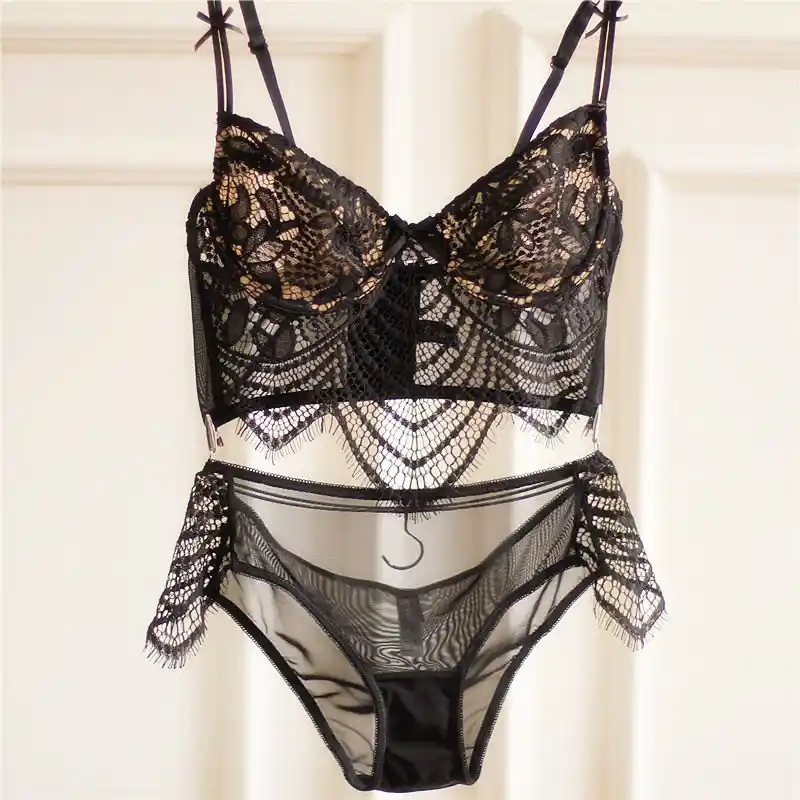
Step 1: Define Your Product Concept
Before contacting any manufacturer, you need a clear and detailed product concept. This includes more than just a general idea—you should have a strong vision of what you want to create.
Key elements to define:
- Type of bra (e.g., sports bra, lace bra, bralette, push-up)
- Target customer (age, lifestyle, preferences)
- Price range and market positioning
- Design inspiration (colors, fabrics, silhouettes)
The more specific you are, the easier it will be for a manufacturer to understand your expectations and provide accurate feedback.
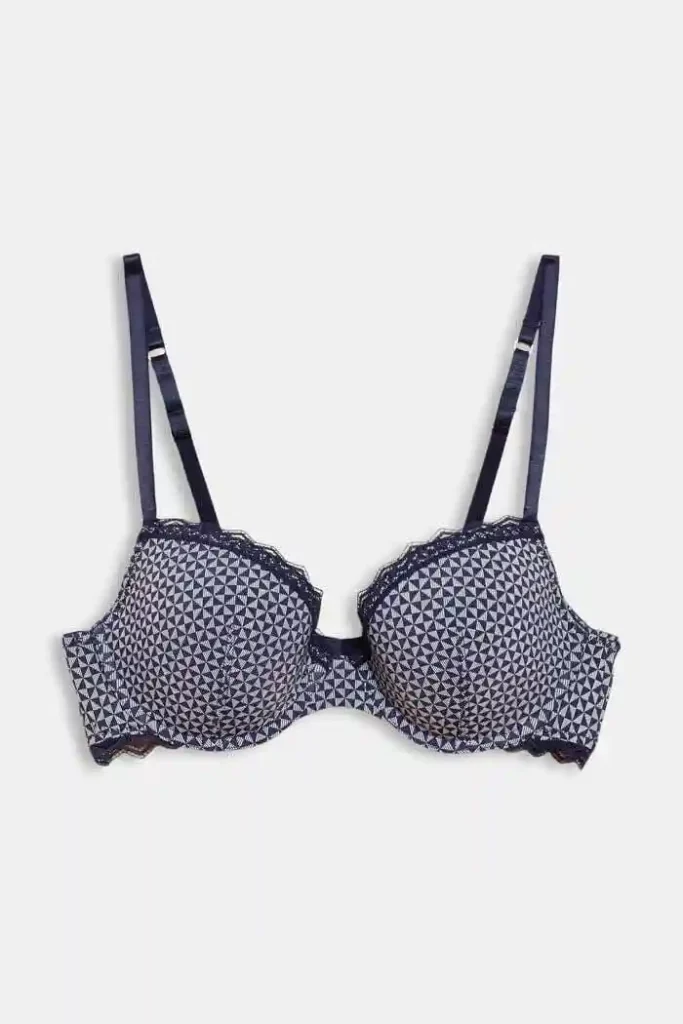
Step 2: Prepare a Tech Pack
A tech pack is one of the most important tools when working with bra manufacturers. It acts as a blueprint for your product and ensures that every detail is clearly communicated.
A complete tech pack typically includes:
- Design sketches (front, back, and side views)
- Fabric and material specifications
- Measurements and size charts
- Construction details (stitching, closures, straps)
- Labeling and branding requirements
Without a tech pack, misunderstandings are much more likely, which can lead to costly revisions and delays.
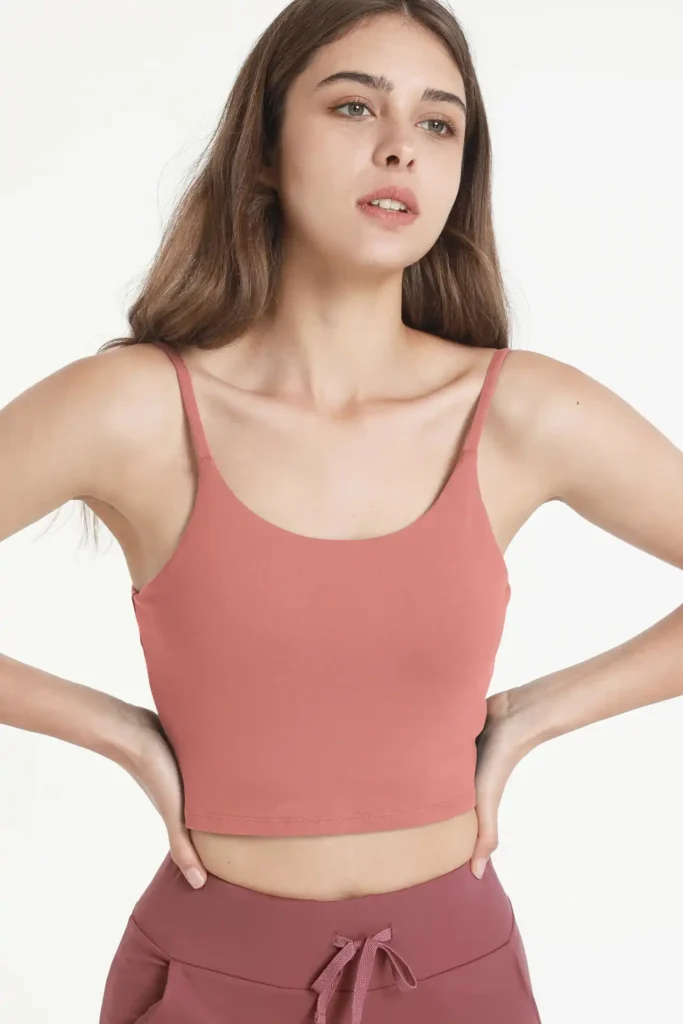
Step 3: Research and Shortlist Manufacturers
Not all manufacturers are the same, so it’s important to find ones that match your needs. Spend time researching and creating a shortlist of potential partners.
Look for manufacturers that:
- Specialize in lingerie or bras
- Offer the services you need (OEM, ODM, private label)
- Have experience with your product type
- Provide clear communication and support
Don’t hesitate to reach out to multiple manufacturers and compare their responses. This will give you a better understanding of their professionalism and capabilities.
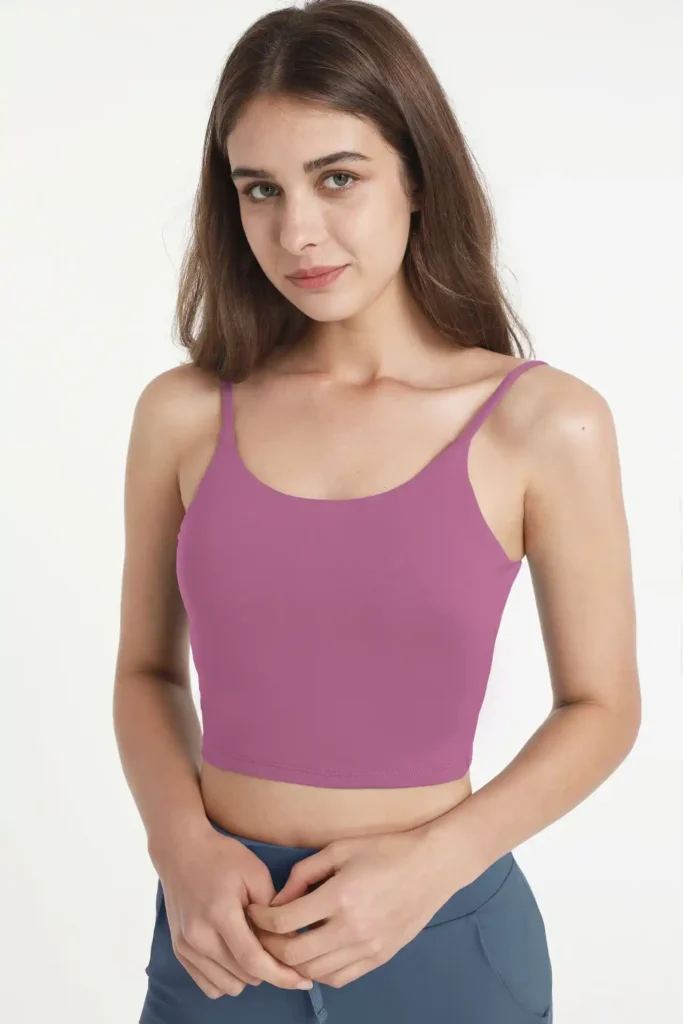
Step 4: Request Samples
Sampling is a critical step in the process. It allows you to evaluate the manufacturer’s quality and ensure your design is translated correctly into a physical product.
During sampling, pay attention to:
- Fit and comfort
- Fabric quality
- Stitching and durability
- Accuracy compared to your design
It’s normal to go through several rounds of revisions before achieving the final version. Be patient and provide clear, detailed feedback to improve the sample.
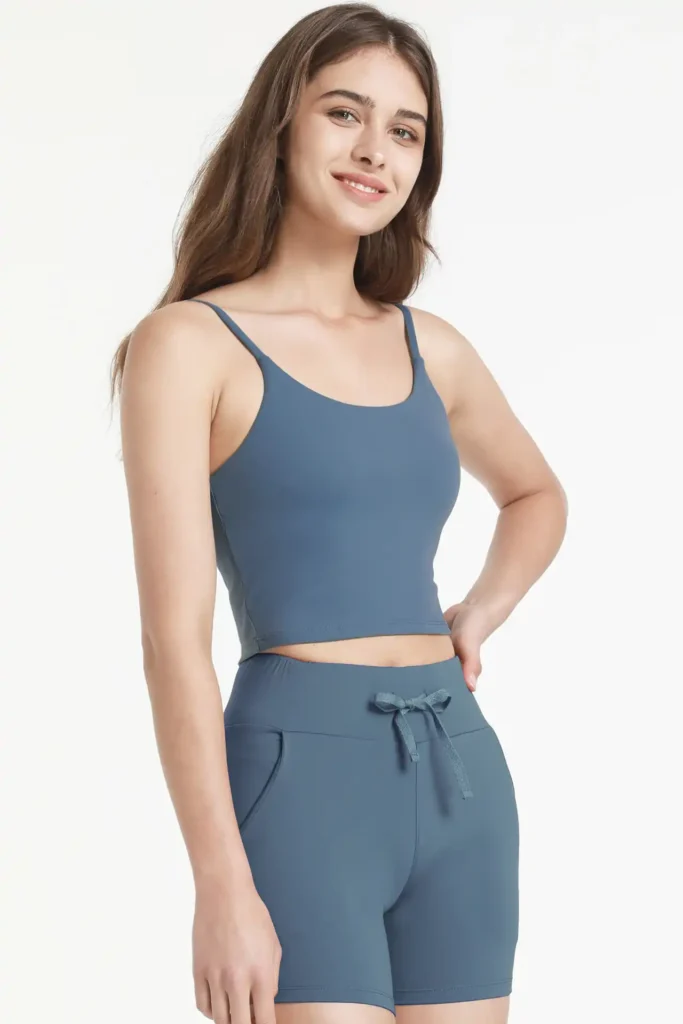
Step 5: Confirm Pricing and MOQ
Once you are satisfied with the sample, the next step is to finalize pricing and minimum order quantity (MOQ). This is where you need to carefully review all costs involved.
Important factors to consider:
- Cost per unit
- Bulk discounts
- Sampling fees (if not already paid)
- Packaging and labeling costs
- Shipping expenses
Make sure everything is clearly documented to avoid unexpected charges later.
Step 6: Place Your First Order
After agreeing on pricing and terms, you can place your first production order. At this stage, it’s essential to confirm all details before manufacturing begins.
Double-check:
- Final approved sample
- Size breakdown and quantities
- Delivery timeline
- Payment terms
Clear documentation helps prevent errors and ensures both you and the manufacturer are aligned.
Step 7: Monitor Production
Even after placing your order, your involvement is still important. Stay in touch with your manufacturer throughout the production process.
You can request:
- Production updates
- Photos or videos of the manufacturing process
- Quality checks before shipment
Regular communication helps identify and resolve issues early, reducing the risk of delays or defects.
Step 8: Quality Inspection and Shipping
Before your products are shipped, a final quality inspection should be conducted. This step ensures that the finished goods meet your standards.
You can:
- Hire a third-party inspection service
- Request detailed inspection reports
- Approve shipment only after confirming quality
Once everything is approved, your products will be shipped to your warehouse or fulfillment center.
Step 9: Build a Long-Term Relationship
Working with a bra manufacturer is not just a one-time project—it’s an ongoing partnership. Building a strong relationship can lead to better pricing, smoother communication, and improved product development over time.
Maintain a good relationship by:
- Communicating clearly and respectfully
- Paying on time
- Providing constructive feedback
- Planning future orders in advance
A reliable manufacturer can become a valuable asset as your brand grows.
Common Mistakes to Avoid
Many brands make avoidable mistakes when working with manufacturers. Here are a few to watch out for:
- Choosing based on price alone
- Skipping the sampling process
- Providing unclear instructions
- Ignoring quality control
Avoiding these pitfalls can save you time, money, and frustration.
Final Thoughts
Working with bra manufacturers doesn’t have to be complicated. By following a structured process and maintaining clear communication, you can turn your ideas into high-quality products that your customers will love.
If you’re looking for a trusted partner to support your lingerie brand, visit Monsoon Apparel. With experience in bra manufacturing and a commitment to quality, the right team can help you bring your vision to life and grow your business successfully.