In the world of fashion, a T-shirt is rarely “just” a T-shirt. It is a canvas for artistic expression, a walking billboard for a movement, or a premium commodity for a luxury streetwear label. While the quality of the fabric and the ethics of the supply chain—topics we covered in our previous guides—form the skeleton of your product, the customization and finishing techniques are what give your brand its soul.
As a dedicated T-shirt manufacturer, Monsoon Apparel has seen firsthand how the right printing method can elevate a simple design into a sell-out collection. In this final installment of our series, we explore the technical side of garment decoration and the branding details that separate amateur projects from professional fashion houses.
1. Choosing the Right Printing Method: Art Meets Engineering
Not all designs are created equal, and neither are the methods used to apply them to fabric. Choosing the wrong technique can lead to designs that crack, peel, or simply look “cheap.” Here is a breakdown of the industry standards:
Screen Printing: The Industry Gold Standard
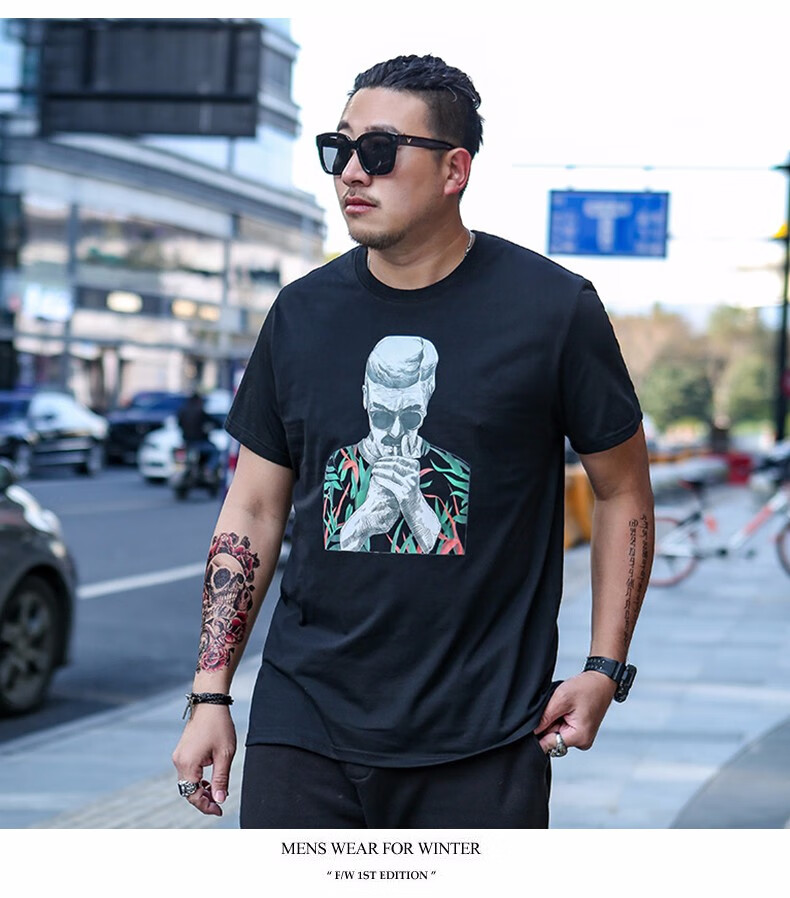
Screen printing remains the most popular choice for professional brands, especially for high-volume orders. It involves creating a stencil (a “screen”) and pushing layers of ink onto the garment surface.
- Why it’s great: It offers incredible durability and vibrant color saturation. For bulk orders, it is the most cost-effective method.
- Best for: Bold designs with limited colors (1–6 colors), streetwear, and high-volume retail.
- The “Feel”: Depending on the ink used (Plastisol vs. Water-based), the print can have a slight texture or a “zero-hand feel” where the ink sinks into the fabric.
Direct-to-Garment (DTG): The Digital Powerhouse
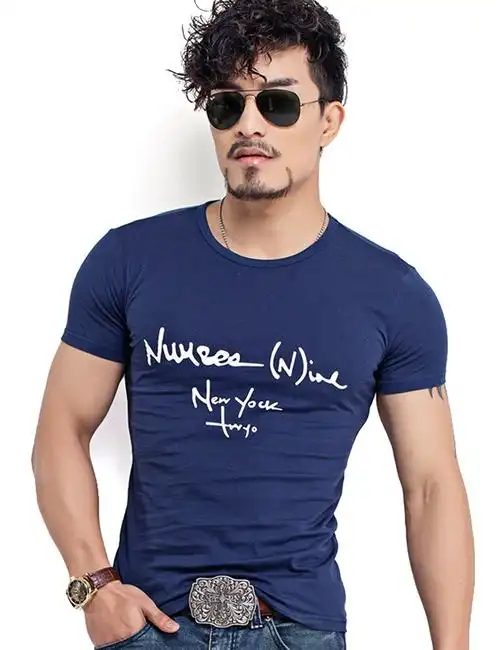
Think of DTG like a giant inkjet printer for clothes. It sprays the ink directly onto the fibers.
- Why it’s great: There is no limit to the number of colors or the level of detail. It’s perfect for photographic prints or complex illustrations.
- Best for: Small batches, “Print on Demand” models, and highly intricate multi-color artwork.
- The “Feel”: It is generally very soft, as the ink is absorbed by the fabric rather than sitting on top.
Heat Transfer and Vinyl
This involves printing a design onto a carrier sheet and heat-pressing it onto the shirt.
- Why it’s great: It allows for specialty finishes like metallic, glitter, or reflective textures that are difficult to achieve with traditional ink.
- Best for: Sports jerseys (names and numbers) and small, specific placements like neck labels.
2. Specialty Techniques: Adding Texture and Dimension
If you want to charge a premium price for your T-shirts, you need to offer something more than a flat print. High-end T-shirt manufacturers utilize advanced techniques to create a tactile experience:
- Puff Printing: An additive in the ink causes the design to expand and “puff up” when heated, creating a 3D effect that is currently trending in streetwear.
- High-Density Print: Similar to puff, but with sharp, clean edges, giving the design a rubberized, architectural look.
- Embroidery: For a classic, high-end feel, nothing beats embroidery. Whether it’s a small chest logo or a large back piece, embroidery adds perceived value and longevity.
- Acid Wash and Garment Dye: These aren’t printing techniques but “finishing” processes. They give the T-shirt a vintage, lived-in look that is incredibly popular in the “aesthetic” and “grunge” fashion niches.
3. The Power of Private Labeling
One of the biggest mistakes new brand owners make is leaving the manufacturer’s original tag in the neck. If your customer sees a “Fruit of the Loom” or “Gildan” tag, they immediately know you used a generic blank, and the perceived value of your brand drops.
At Monsoon Apparel, we emphasize the importance of Private Labeling:
- Woven Labels: Sewing a high-quality fabric label into the neck or on the hem of the sleeve.
- Screen-Printed Neck Tags: Printing your logo, size, and care instructions directly onto the inside of the shirt. This is the ultimate choice for comfort (no itchy tags).
- Hem Tags: A small, folded label sewn onto the bottom hem or the edge of the sleeve. It’s a subtle “nod” to your brand’s attention to detail.
4. Packaging: The “Unboxing” Experience
The customer’s relationship with your product starts before they even put the shirt on. It starts when the package arrives at their door.
- Custom Poly Bags: Instead of clear plastic, use frosted or branded bags.
- Hang Tags: A well-designed hang tag with your brand story and a high-quality string adds a “boutique” feel.
- Eco-Friendly Mailers: As we discussed in our sustainability post, using compostable mailers aligns your brand with modern environmental values.
5. Communicating with Your Manufacturer: The Tech Pack
To ensure your vision is executed perfectly, you need a Tech Pack. Think of this as a blueprint for your garment. A professional T-shirt manufacturer will expect to see:
- Flat Sketches: A visual representation of the front and back of the shirt.
- Color Callouts: Use Pantone (PMS) codes to ensure the “Red” in your design matches the “Red” the factory prints.
- Size Specifications: Exactly where the print should be placed (e.g., “3 inches below the collar”).
- Bill of Materials: A list of every thread, fabric, and button used.
Without a Tech Pack, you are leaving your design up to the factory’s interpretation—which is a recipe for expensive mistakes.
6. Scaling: From 50 to 5,000 Units
As your brand grows, your needs will change. A manufacturer that is great for making 10 shirts for your friends might not be equipped to handle 1,000 shirts for a retail launch.
When evaluating a T-shirt manufacturer for long-term growth, ask about their capacity and lead times. Can they maintain consistency across different batches? Do they offer “Scale Pricing” where the cost per unit drops significantly as your volume increases?
At Monsoon Apparel, we specialize in helping brands scale. We provide the infrastructure of a large-scale factory with the personalized attention of a boutique studio.
7. Quality Control: The Final Barrier
Before your shirts leave the factory, they must go through a rigorous Quality Control (QC) process. This includes:
- Alignment Checks: Ensuring the print isn’t crooked.
- Curing Tests: Ensuring the ink was heated correctly so it won’t wash off.
- Loose Thread Trimming: Because nothing ruins a premium feel like a stray thread hanging from the hem.
Conclusion: Your Vision, Our Craft
Building a successful T-shirt brand is a marathon, not a sprint. It requires a deep understanding of fabrics, a commitment to ethical sourcing, and a mastery of the technical aspects of customization.
Over the course of these three guides, we’ve covered the “Who,” the “What,” and the “How” of the manufacturing world. Your job as a creator is to bring the vision and the community; our job at Monsoon Apparel is to provide the technical expertise and manufacturing excellence to make that vision a reality.
Whether you are launching your first capsule collection or looking for a more reliable partner for your established brand, we are here to help. The fashion industry is evolving, and there has never been a better time to create something unique.
Let’s build your brand together. Contact Monsoon Apparel today to start your next production run.