
In luxury fashion, fit is everything. A garment may feature the finest fabrics and impeccable craftsmanship, but if it does not fit well, it fails to deliver the premium experience customers expect. For brands operating across international markets, achieving consistent fit becomes even more complex.
Luxury clothing manufacturers play a critical role in solving this challenge. They combine technical expertise, data-driven insights, and meticulous processes to ensure that garments fit perfectly—regardless of where they are sold.
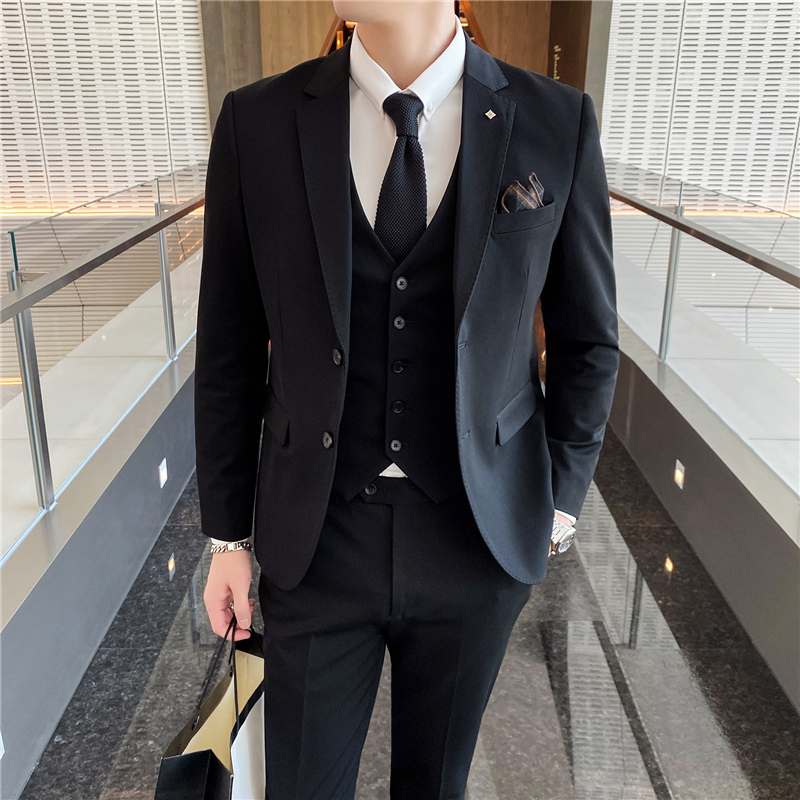
Why Fit Is Central to Luxury Fashion
Luxury customers expect more than just style—they expect garments that feel tailored to their bodies. Unlike mass-market apparel, luxury clothing emphasizes:
- Precision tailoring
- Comfort without compromise
- Flattering silhouettes
A well-fitted garment enhances confidence, improves wearability, and reinforces the perception of quality.
Poor fit, on the other hand, can quickly damage a brand’s reputation, especially in a competitive global market.
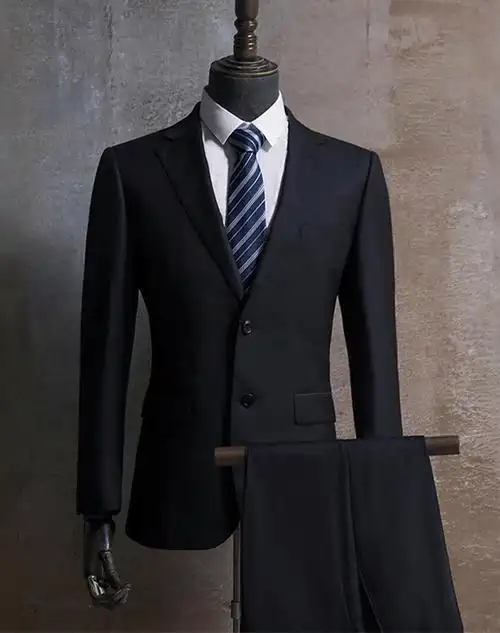
The Complexity of Global Sizing Standards
One of the biggest challenges in luxury clothing manufacturing is the variation in sizing standards across regions.
For example:
- US, European, and Asian sizing systems differ significantly
- Body proportions vary across populations
- Customer expectations for fit can differ by market
A size “M” in one region may not correspond to the same measurements in another. This makes standardization difficult without careful planning.

Developing Accurate Size Charts
Luxury clothing manufacturers begin by developing detailed and accurate size charts. These charts serve as the foundation for all production.
Creating effective size charts involves:
- Analyzing target market demographics
- Studying body measurement data
- Defining size ranges and grading rules
Manufacturers often customize size charts for each brand, ensuring alignment with the brand’s target audience.
Pattern Grading for Consistency
Once a base pattern is created, it must be adjusted for different sizes—a process known as pattern grading.
In luxury manufacturing, grading is highly precise. Manufacturers ensure that:
- Proportions remain balanced across sizes
- Design elements scale appropriately
- Fit consistency is maintained
Advanced software tools are often used alongside manual expertise to achieve accurate results.
Multiple Fit Samples and Iterations
Achieving the perfect fit rarely happens in a single attempt. Luxury clothing manufacturers produce multiple samples to refine sizing and construction.
This process includes:
- Creating initial prototypes
- Conducting fittings on models or mannequins
- Making adjustments based on feedback
Each iteration brings the garment closer to the desired fit, ensuring that the final product meets high standards.
Regional Fit Adjustments
Global brands often require region-specific adjustments to accommodate differences in body shapes and preferences.
Manufacturers may:
- Modify sleeve lengths or garment proportions
- Adjust cuts for different body types
- Offer region-specific sizing variations
These adjustments ensure that customers in different markets receive garments that feel tailored to their needs.
The Role of Fabric in Fit
Fabric choice has a significant impact on how a garment fits and behaves.
Luxury clothing manufacturers carefully consider:
- Stretch and flexibility
- Weight and drape
- Recovery and durability
For example, a structured fabric may require precise tailoring, while a stretch fabric allows for more flexibility in fit.
Understanding these properties helps manufacturers design garments that maintain their shape and comfort over time.
Incorporating Technology into Fit Development
Technology is transforming how fit is developed and refined in luxury clothing manufacturing.
Modern tools include:
- 3D body scanning for accurate measurements
- Digital fitting simulations
- Data analytics for sizing trends
These innovations allow manufacturers to reduce guesswork and improve accuracy, especially for global markets.
Custom and Made-to-Measure Options
Some luxury brands go beyond standard sizing by offering custom or made-to-measure options.
Manufacturers support this by:
- Creating flexible production systems
- Managing individualized measurements
- Ensuring consistent quality across custom orders
This level of personalization enhances the luxury experience and strengthens customer loyalty.
Quality Control for Fit Consistency
Ensuring consistent fit across production runs is just as important as achieving the initial design.
Manufacturers implement quality control measures such as:
- Checking measurements during production
- Verifying pattern accuracy
- Inspecting finished garments
These steps help maintain uniformity, even across large orders.
Addressing Returns and Fit Feedback
Fit-related returns can be costly for luxury brands. Manufacturers play a role in reducing these issues by analyzing feedback and making improvements.
This may involve:
- Adjusting size charts based on customer data
- Refining patterns for better accuracy
- Improving communication of sizing information
Continuous improvement ensures that fit evolves with customer expectations.
The Importance of Clear Sizing Communication
Even with perfect manufacturing, customers need clear guidance to choose the right size.
Brands should provide:
- Detailed size charts
- Measurement guides
- Fit descriptions
Luxury clothing manufacturers often assist in developing these resources, ensuring that they accurately reflect the garments.
Balancing Style and Fit
Design and fit must work together seamlessly. A visually striking garment that lacks comfort or practicality will not succeed in the luxury market.
Manufacturers help balance:
- Aesthetic design elements
- Functional fit requirements
- Wearability for different occasions
This balance ensures that garments look exceptional while remaining comfortable to wear.
Why Monsoon Apparel Prioritizes Fit Excellence
At Monsoon Apparel, we understand that fit is a defining element of luxury clothing. Our approach combines technical precision, advanced tools, and hands-on expertise to deliver garments that meet global standards.
We offer:
- Customized size development
- Detailed pattern making and grading
- Multiple sampling and fitting stages
- Consistent quality control
Our goal is to ensure that every piece not only looks premium but also feels perfectly tailored.
Final Thoughts
Achieving perfect fit across global markets is one of the most complex challenges in luxury clothing manufacturing. It requires a combination of technical expertise, data analysis, and continuous refinement.
By working with an experienced luxury clothing manufacturer, brands can deliver garments that meet the highest expectations—no matter where their customers are. In luxury fashion, fit is not just a detail—it is a defining factor that shapes the entire customer experience.