In a competitive business landscape, companies are constantly searching for ways to stand out and build meaningful connections with their customers. While marketing campaigns and digital presence are often the focus, one powerful branding tool is frequently overlooked: custom uniforms.
Uniforms are more than just standardized clothing. They represent your brand, influence customer perception, and impact how employees feel and perform at work. When designed and manufactured thoughtfully, custom uniforms can become a strategic asset that drives both brand recognition and operational efficiency.
The Connection Between Uniforms and Brand Identity
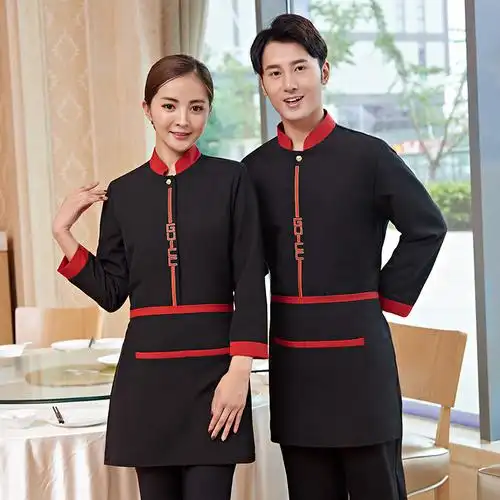
Brand identity is the visual and emotional representation of your business. It includes your logo, color palette, messaging, and overall aesthetic. Custom uniforms bring this identity into the physical world, making your brand visible in everyday interactions.
When employees wear uniforms that reflect your brand:
- Customers can instantly recognize your team
- Your business appears more organized and professional
- Brand consistency is maintained across locations
For example, a hospitality business with clean, elegant uniforms communicates a sense of luxury and attention to detail. A tech company with modern, minimalist uniforms may convey innovation and efficiency.
Custom uniforms help reinforce your brand story without saying a word.
Creating a Strong First Impression
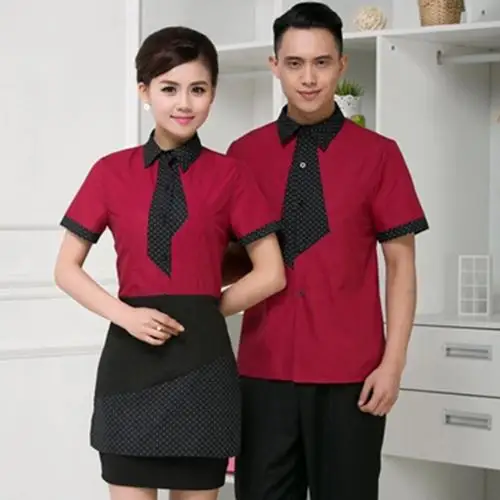
First impressions are formed within seconds, and uniforms play a key role in shaping them. When customers walk into your business or interact with your staff, the appearance of your team immediately influences their perception.
Well-designed uniforms can:
- Build trust and credibility
- Signal professionalism
- Differentiate your brand from competitors
On the other hand, inconsistent or poorly designed uniforms can create confusion and reduce confidence in your services.
Consistency is especially important for businesses with multiple branches or franchises. Uniforms ensure that no matter where customers interact with your brand, they receive the same visual experience.
Enhancing Employee Confidence and Morale
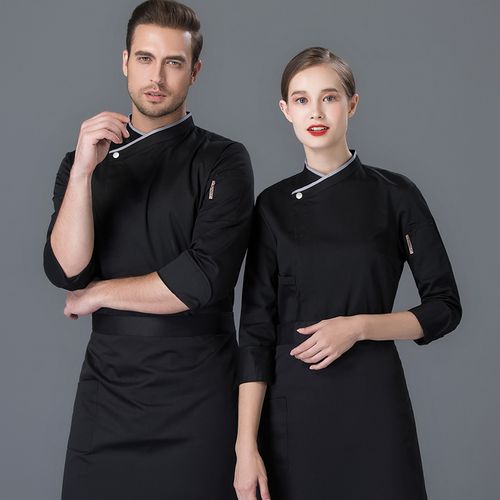
Uniforms don’t just affect how customers see your business—they also influence how employees feel about their roles.
Wearing a well-designed uniform can:
- Increase confidence and professionalism
- Create a sense of belonging
- Promote team unity
When employees feel good about what they wear, it often translates into better performance and more positive interactions with customers.
Comfort is a critical factor here. Uniforms that are breathable, well-fitted, and suitable for the work environment help employees stay focused and productive throughout the day.
Improving Workplace Efficiency
Custom uniforms can also contribute to operational efficiency. In fast-paced environments, being able to quickly identify team members is essential.
For example:
- In retail, customers can easily find staff for assistance
- In healthcare, uniforms help distinguish roles and departments
- In industrial settings, uniforms can indicate safety levels or job functions
By incorporating thoughtful design elements such as color coding or role-specific features, uniforms can streamline communication and improve workflow.
The Importance of Customization
Generic uniforms rarely meet the unique needs of modern businesses. Customization allows companies to create uniforms that align perfectly with their brand and operational requirements.
Key customization options include:
- Logo placement and branding elements
- Color schemes that match your identity
- Fabric selection based on work conditions
- Tailored fits for different body types
- Functional features like pockets or reinforced stitching
A uniform manufacturer that offers extensive customization ensures that your uniforms are both visually appealing and highly functional.
Aligning Uniform Design with Industry Needs
Different industries have different uniform requirements. A one-size-fits-all approach simply doesn’t work.
Hospitality Industry
Uniforms in hospitality should reflect the brand’s atmosphere while ensuring comfort during long shifts. Breathable fabrics and stylish designs are essential.
Healthcare Sector
Hygiene, durability, and ease of cleaning are top priorities. Uniforms must also allow for ease of movement and long hours of wear.
Corporate Environments
Professional appearance is key. Clean lines, neutral colors, and subtle branding often work best.
Industrial and Construction Fields
Safety is the primary concern. Uniforms may require high-visibility materials, flame resistance, or reinforced durability.
A skilled uniform manufacturer understands these nuances and can recommend solutions tailored to each industry.
The Role of Fabric and Fit
Two of the most important elements of any uniform are fabric and fit. Even the best design will fall short if these factors are not carefully considered.
Fabric Selection
The right fabric depends on your work environment:
- Lightweight materials for hot climates
- Moisture-wicking fabrics for active roles
- Durable textiles for heavy-duty tasks
High-quality fabrics not only improve comfort but also extend the lifespan of uniforms.
Proper Fit
Uniforms should accommodate a diverse workforce. Offering a range of sizes and fits ensures that every employee feels comfortable and confident.
Ill-fitting uniforms can lead to discomfort, reduced mobility, and a negative perception of the brand.
Sustainability in Uniform Manufacturing
Sustainability is becoming increasingly important for businesses worldwide. Customers and employees alike are paying attention to how products are made.
Eco-friendly uniform options may include:
- Recycled or organic fabrics
- Energy-efficient production processes
- Reduced waste in manufacturing
Choosing a manufacturer that prioritizes sustainability can enhance your brand image and align with modern values.
Adapting to Changing Trends
Uniform design is not static. Trends in fashion, technology, and workplace culture continue to evolve.
Modern uniforms are increasingly:
- More stylish and contemporary
- Designed with employee comfort in mind
- Integrated with performance-enhancing fabrics
Staying updated with these trends ensures that your uniforms remain relevant and appealing.
Measuring the Impact of Custom Uniforms
Investing in custom uniforms can deliver measurable benefits. Businesses often see improvements in:
- Customer satisfaction
- Employee engagement
- Brand recognition
- Operational efficiency
Gathering feedback from employees and customers can help you refine your uniform strategy over time.
Partnering with the Right Manufacturer
The success of your uniform program depends largely on the manufacturer you choose. A reliable partner will guide you through the entire process, from design to delivery.
Look for a manufacturer that offers:
- Strong design support
- High-quality materials
- Flexible production capabilities
- Clear communication
A collaborative approach ensures that the final product meets your expectations and supports your business goals.
Why Monsoon Apparel Stands Out
At Monsoon Apparel, we believe that uniforms should do more than meet basic requirements—they should elevate your brand and empower your team.
Our approach focuses on:
- Tailored design solutions
- Premium materials for comfort and durability
- Flexible customization options
- Dedicated customer support
We work closely with businesses to create uniforms that reflect their identity while meeting the demands of their industry.
Final Thoughts
Custom uniforms are a powerful tool for strengthening brand identity and improving employee performance. By investing in thoughtful design, quality materials, and the right manufacturing partner, businesses can unlock the full potential of their uniforms.
In a world where every detail matters, uniforms offer a unique opportunity to make a lasting impression—on both your customers and your team.