Selecting a uniform manufacturer is a critical decision that goes far beyond comparing prices or browsing catalogs. The right partner can streamline your operations, elevate your brand image, and ensure long-term consistency across your workforce. On the other hand, the wrong choice can lead to delays, inconsistent quality, and unnecessary costs.
To make a confident and informed decision, businesses need a structured way to evaluate uniform manufacturers. This guide provides a practical checklist to help you identify the right partner for your needs.

Understanding Your Uniform Requirements First
Before reaching out to any manufacturer, it’s essential to clearly define your own requirements. Many businesses skip this step and end up with uniforms that don’t fully meet their needs.
Start by asking:
- What is the primary function of the uniform?
- What work conditions will employees face?
- How important is branding and design?
- What is your budget range?
- How often will uniforms need to be replaced?
Having clear answers allows you to communicate effectively with manufacturers and evaluate their responses more accurately.
Assessing Manufacturing Experience and Industry Expertise
Not all uniform manufacturers are created equal. Some specialize in specific industries, while others offer more generalized services.
Experience matters because different industries have unique demands:
- Healthcare requires hygiene and durability
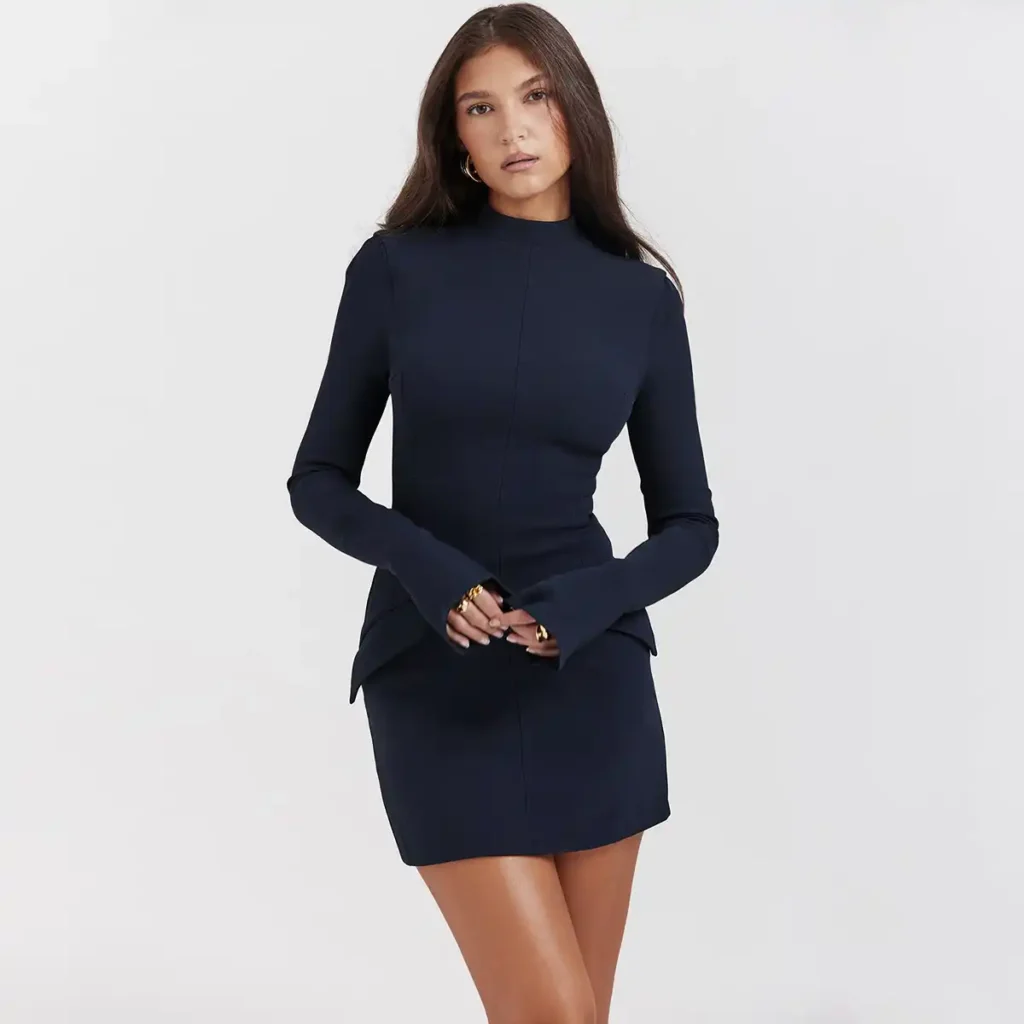
- Hospitality emphasizes style and comfort
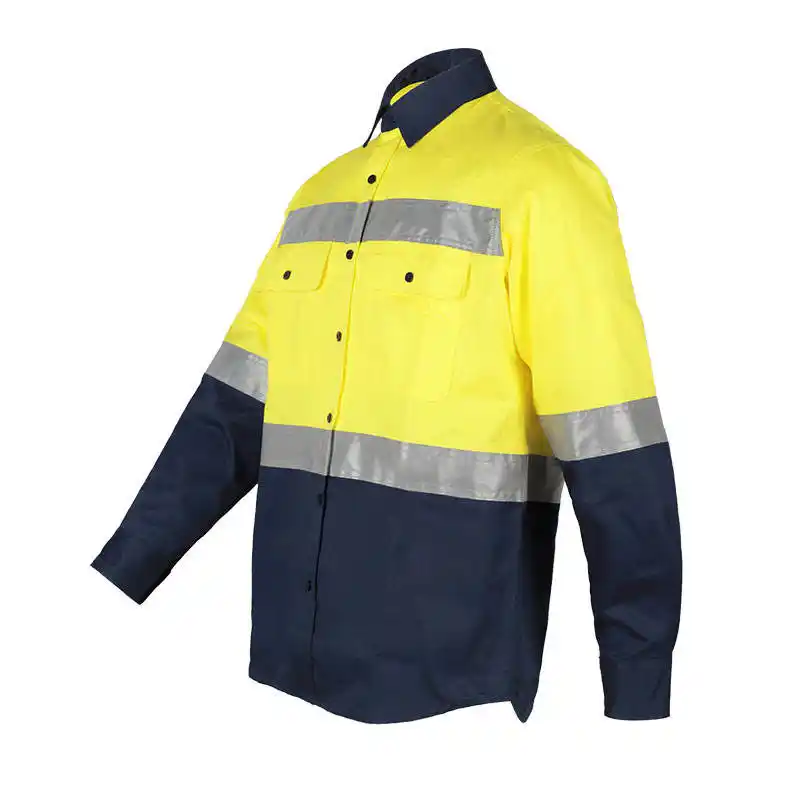
- Industrial sectors prioritize safety and resilience
A manufacturer with relevant experience will better understand your challenges and offer practical solutions.
Ask potential partners about:
- Their past clients
- Industries they serve
- Case studies or success stories
This insight can reveal whether they are equipped to handle your specific needs.
Evaluating Product Quality in Detail
Quality is one of the most important factors in uniform manufacturing. However, it’s not always easy to assess without a closer look.
When reviewing samples, pay attention to:
- Fabric texture and durability
- Stitching strength and consistency
- Color accuracy and resistance to fading
- Fit and overall construction
Don’t hesitate to request multiple samples or test them under real working conditions. A reliable manufacturer will be transparent and confident in their product quality.
Reviewing Customization Capabilities
Customization is what transforms a standard uniform into a powerful branding tool. Not all manufacturers offer the same level of flexibility.
Key customization features to evaluate include:
- Logo application methods (embroidery, printing, etc.)
- Color matching accuracy
- Design flexibility
- Ability to create unique styles
The more customization options available, the better you can align uniforms with your brand identity.
Understanding Production Capacity and Lead Times
Timely delivery is crucial, especially for growing businesses or those with seasonal demand. A manufacturer’s production capacity can directly impact your operations.
Important questions to ask:
- What is the standard lead time for orders?
- Can they handle urgent or large-scale requests?
- How do they manage repeat orders?
Reliable manufacturers will provide clear timelines and demonstrate the ability to meet deadlines consistently.
Transparency in Pricing and Cost Structure
Pricing should be clear, detailed, and transparent. Hidden costs can quickly turn a seemingly affordable option into an expensive one.
Look for:
- Detailed quotations
- Breakdown of material and labor costs
- Clarity on additional charges (shipping, revisions, etc.)
A trustworthy manufacturer will be upfront about pricing and help you understand where your money is going.
Communication and Responsiveness
Strong communication is often overlooked but is essential for a smooth working relationship.
Evaluate how the manufacturer communicates:
- Do they respond promptly to inquiries?
- Are they clear and detailed in their answers?
- Do they proactively provide updates?
Good communication reduces misunderstandings and ensures that your project stays on track.
Ethical Standards and Compliance
Businesses today are increasingly held accountable for their supply chains. Partnering with an ethical manufacturer is not just a moral decision—it’s also a strategic one.
Consider whether the manufacturer:
- Follows fair labor practices
- Maintains safe working conditions
- Complies with industry regulations
Transparency in these areas reflects professionalism and reliability.
Flexibility and Problem-Solving Ability
No project is without challenges. Whether it’s a design adjustment or a production delay, how a manufacturer handles problems can make a big difference.
Look for partners who:
- Offer solutions rather than excuses
- Adapt to changes quickly
- Maintain a positive and professional approach
Flexibility is a strong indicator of a manufacturer’s commitment to customer satisfaction.
Technology and Innovation
Modern uniform manufacturing increasingly relies on technology to improve efficiency and quality.
Manufacturers that use advanced tools can offer:
- More precise designs
- Faster production cycles
- Better inventory management
Technology-driven processes often result in more consistent and reliable outcomes.
Long-Term Partnership Potential
Instead of focusing only on immediate needs, consider the long-term relationship. A good uniform manufacturer should grow with your business.
Benefits of a long-term partnership include:
- Better pricing over time
- Improved understanding of your brand
- Faster turnaround for repeat orders
Choosing a manufacturer with long-term potential can save time and resources in the future.
Why Monsoon Apparel Is a Trusted Choice
At Monsoon Apparel, we understand that choosing a uniform manufacturer is a strategic decision. That’s why we focus on delivering consistent quality, flexible customization, and reliable service.
Our team works closely with clients to understand their unique needs and provide tailored solutions that align with their goals. From small businesses to large organizations, we are committed to building lasting partnerships.
Final Thoughts
Evaluating uniform manufacturers requires careful consideration of multiple factors, from quality and customization to communication and ethics. By following a structured checklist, businesses can make informed decisions and avoid common pitfalls.
A strong manufacturing partner doesn’t just deliver uniforms—they contribute to your brand’s success and operational efficiency. Taking the time to choose wisely will pay off in the long run.