When it comes to building a strong and recognizable brand, uniforms play a far more important role than many businesses initially realize. From creating a professional image to improving employee confidence and customer trust, the right uniform can influence how your business is perceived at every level. But achieving these benefits depends heavily on one key decision: choosing the right uniform manufacturer.
In today’s competitive market, not all manufacturers offer the same level of quality, customization, or service. Whether you operate in hospitality, healthcare, corporate services, or industrial sectors, understanding what to look for in a uniform manufacturing partner can save time, reduce costs, and elevate your brand presence.
Why Uniforms Matter More Than Ever
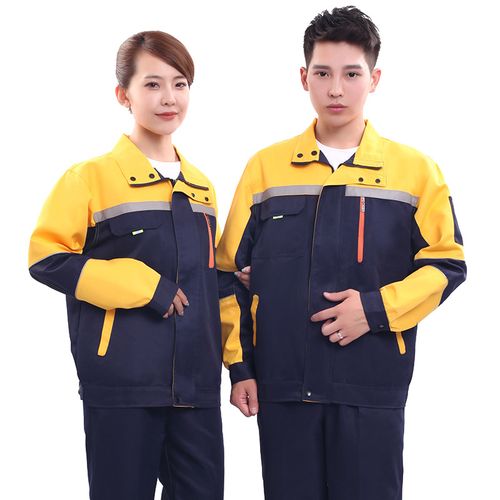
Uniforms are no longer just functional garments. They are a direct extension of your brand identity. A well-designed uniform communicates professionalism, consistency, and attention to detail. For customer-facing industries especially, uniforms create first impressions that influence trust and credibility.
Employees also benefit from wearing uniforms. They eliminate daily outfit decisions, promote equality among staff, and foster a sense of belonging. In sectors like construction or healthcare, uniforms also serve critical safety and hygiene purposes.
However, these benefits only materialize when uniforms are well-made, comfortable, and aligned with your brand image. That’s where the role of a reliable manufacturer becomes essential.
Key Factors to Consider When Choosing a Uniform Manufacturer
1. Quality of Materials
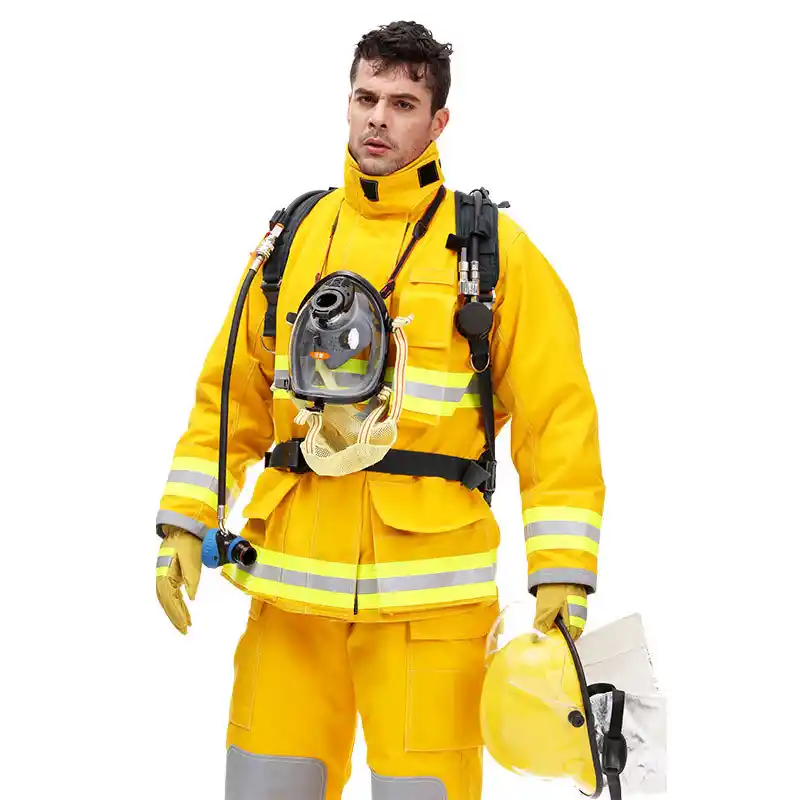
The foundation of any good uniform is high-quality fabric. Depending on your industry, you may need breathable materials, durable textiles, or fabrics with specific properties like moisture-wicking or flame resistance.
A trustworthy manufacturer will offer a range of fabric options and guide you toward materials that match your operational needs. Poor-quality fabrics may save money upfront but often lead to faster wear and tear, increasing long-term costs.
2. Customization Capabilities
Every business has unique branding requirements. From color schemes to logo placement and design details, customization is what transforms a generic uniform into a brand asset.
Look for a manufacturer that offers:
- Custom color matching
- Logo embroidery or printing
- Tailored fits and sizing options
- Design consultation services
The ability to fully customize ensures your uniforms reflect your brand identity accurately.
3. Production Capacity and Scalability
Whether you need 50 uniforms or 5,000, your manufacturer should be able to handle your order efficiently. More importantly, they should be able to scale production as your business grows.
Ask about:
- Minimum order quantities
- Lead times
- Ability to handle repeat orders
- Inventory management support
A manufacturer with flexible production capabilities can support your business long-term.
4. Ethical Manufacturing Practices
Modern consumers and employees increasingly care about sustainability and ethical sourcing. Partnering with a manufacturer that follows responsible practices can enhance your brand reputation.
Consider manufacturers that:
- Use environmentally friendly materials
- Ensure fair labor conditions
- Maintain transparent supply chains
This not only aligns with global trends but also strengthens your company’s values.
5. Design Expertise
Not every business has an in-house design team. A strong uniform manufacturer should offer design support to help bring your vision to life.
Professional design assistance can help with:
- Creating functional yet stylish uniforms
- Optimizing fit for comfort and mobility
- Ensuring consistency across different roles
This collaborative approach often leads to better final results.
6. Cost Efficiency Without Compromising Quality
Budget is always a consideration, but the cheapest option is rarely the best. Instead of focusing solely on price, evaluate overall value.
A good manufacturer will help you balance:
- Material quality
- Design complexity
- Production costs
Transparent pricing and clear communication are essential to avoid unexpected expenses.
7. Reliable Communication and Support
Clear communication is critical throughout the manufacturing process. From initial consultation to final delivery, your manufacturer should be responsive and easy to work with.
Look for signs of strong customer support:
- Quick response times
- Detailed project updates
- Willingness to accommodate changes
A responsive partner reduces stress and ensures smoother operations.
Common Mistakes to Avoid
Choosing a uniform manufacturer is a significant decision, and certain mistakes can lead to costly setbacks.
Ignoring Samples
Always request samples before placing a bulk order. Samples allow you to assess fabric quality, stitching, and overall design accuracy.
Overlooking Fit and Comfort
Even the most visually appealing uniform will fail if it’s uncomfortable. Employees who feel restricted or overheated are less productive and less satisfied.
Focusing Only on Price
Low-cost options may compromise quality, leading to frequent replacements and higher long-term expenses.
Lack of Long-Term Planning
Your business will evolve, and your uniform needs may change. Choose a manufacturer capable of supporting future growth and adjustments.
The Role of Technology in Modern Uniform Manufacturing
Advancements in technology have transformed the uniform manufacturing process. Today’s leading manufacturers use digital tools for design, pattern making, and production management.
Benefits of modern technology include:
- Faster turnaround times
- Improved design accuracy
- Better inventory control
- Enhanced customization options
Working with a technologically advanced manufacturer can streamline your entire uniform program.
How the Right Manufacturer Impacts Your Brand
Your uniform is often the first physical representation of your brand that customers encounter. A well-crafted uniform conveys professionalism, reliability, and attention to detail.
On the other hand, poorly made uniforms can negatively impact your image. Wrinkled fabrics, fading colors, or ill-fitting designs can send the wrong message.
By choosing the right manufacturer, you ensure consistency across all customer touchpoints. This consistency builds trust and strengthens brand recognition over time.
Building a Long-Term Partnership
Rather than viewing your manufacturer as a one-time supplier, consider building a long-term partnership. A reliable partner will understand your brand, anticipate your needs, and continuously improve your uniform offerings.
Long-term collaboration can lead to:
- Better pricing over time
- Faster production cycles
- Consistent quality
- Ongoing design improvements
This relationship becomes a valuable asset as your business grows.
Why Businesses Choose Monsoon Apparel
At Monsoon Apparel, we understand that uniforms are more than just clothing—they are a critical part of your brand identity. Our approach combines quality craftsmanship, flexible customization, and dedicated support to help businesses create uniforms that truly represent who they are.
We work closely with clients across various industries, offering tailored solutions that meet both functional and aesthetic needs. From initial concept to final production, our goal is to deliver uniforms that enhance both employee experience and customer perception.
Final Thoughts
Choosing the right uniform manufacturer is a decision that affects your brand, your employees, and your customers. By focusing on quality, customization, scalability, and communication, you can find a partner that supports your business goals.
Uniforms may seem like a small detail, but in reality, they are a powerful tool for building consistency, professionalism, and trust. Investing in the right manufacturing partner ensures that this tool works to its full potential.