
Imagine taking a trench coat out of your suitcase after a long flight and finding it ready to wear, with minimal creasing and a clean, structured silhouette. Or picture a base layer that provides adjustable warmth during a cold morning commute. These features may sound like futuristic clothing technology, but advances in textile engineering are making smart fabrics increasingly relevant to everyday apparel.
Shape memory fabric, wrinkle-resistant textiles, and heated base layers all demonstrate how material science can improve clothing performance. However, these technologies work in different ways, and understanding their underlying structures helps consumers distinguish genuine innovation from exaggerated product claims.
In this guide, we explore how shape memory textiles work, why some trench coats resist wrinkles, and whether heated innerwear is a worthwhile investment.
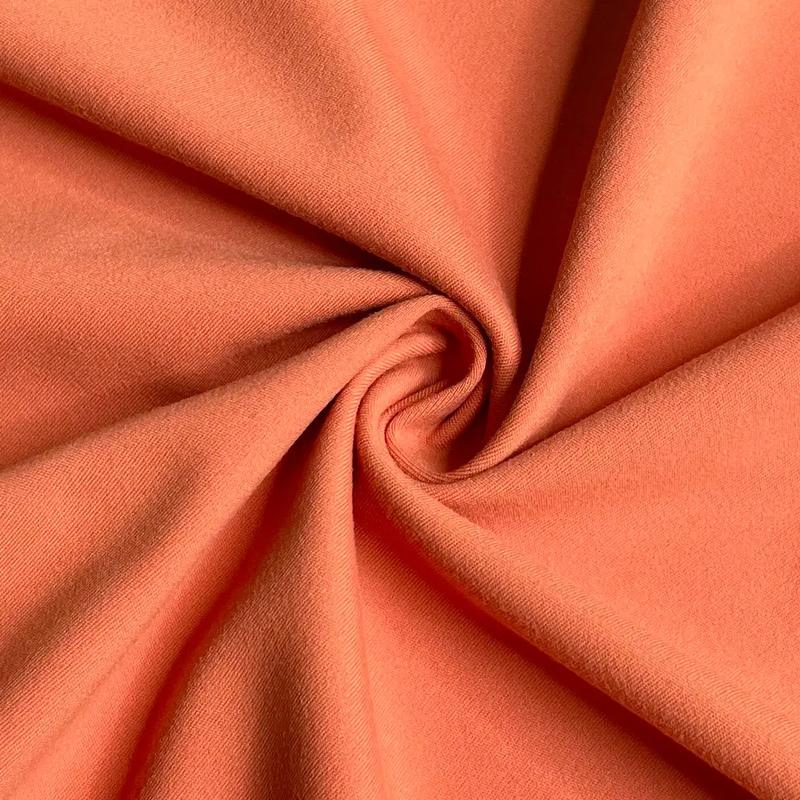
1. What Is Shape Memory Fabric?
Shape memory fabric is a textile engineered to retain or recover a particular shape after deformation, often in response to a stimulus such as heat, moisture, or another controlled condition. Its performance depends on the materials used and how they are integrated into the fabric.
Two important technologies are frequently discussed in this area: shape memory polymers and conventional wrinkle-resistant finishes.
Shape memory polymers contain structures that can be programmed to hold a temporary shape and subsequently recover a previously established form when activated under suitable conditions. Researchers have explored these materials for adaptive textiles, wearable devices, and garments with responsive functions.
Conventional wrinkle-resistant fabrics work differently. Chemical finishing treatments can modify interactions between fibers or polymer chains, helping the fabric recover from creasing after folding or washing.
Although both approaches may produce smoother-looking clothing, they are not identical. A garment advertised as wrinkle-free does not necessarily contain a true shape memory material.
For consumers, this distinction matters because the fabric’s actual construction determines its performance, care requirements, and long-term durability.
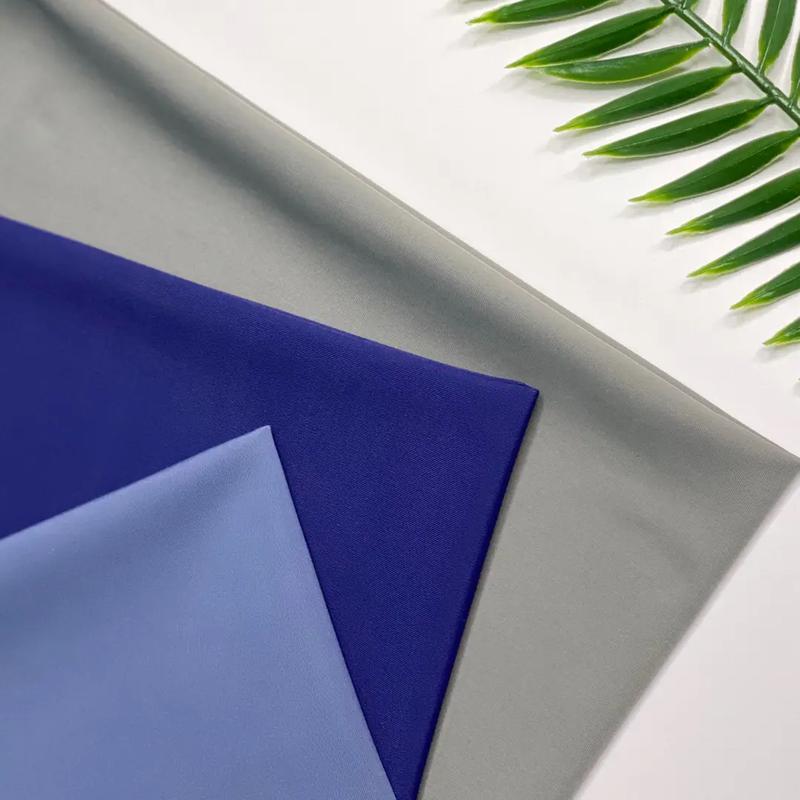
2. How Fabric Structure Helps a Trench Coat Maintain Its Shape
A trench coat’s appearance depends on more than its outer surface. Fiber composition, yarn construction, weave density, fabric weight, finishing treatments, and garment tailoring all influence how the coat hangs and recovers after being folded.
Fiber composition and yarn construction
Synthetic fibers such as polyester are commonly used in wrinkle-resistant outerwear because they can offer useful dimensional stability and recovery properties. Cotton blends can provide a different balance of softness, breathability, and structure.
The yarn itself also matters. Yarn twist, fiber arrangement, and the way yarns interact affect bending, friction, and the formation of creases.
Woven structure and fabric stability
Many trench coats use woven fabrics because their interlaced yarns provide a stable surface and help the garment maintain a defined silhouette.
A tightly constructed weave can contribute to shape retention, although greater density does not automatically guarantee better wrinkle resistance. The final result depends on the complete fabric specification, including fiber type, yarn characteristics, finishing, and garment construction.
Functional finishing treatments
Wrinkle-resistant finishes can improve a fabric’s ability to recover after creasing. Certain treatments alter the interactions between cellulose chains in cotton or cotton-rich materials, reducing the tendency of the fabric to remain permanently folded.
Shape memory polymer treatments offer another approach. Under suitable conditions, these materials can help textiles recover their programmed shape through a stimulus-responsive mechanism.
Research distinguishes conventional wrinkle recovery from true shape memory behavior, which may require an additional activation step such as heating. The two properties should not be treated as interchangeable.
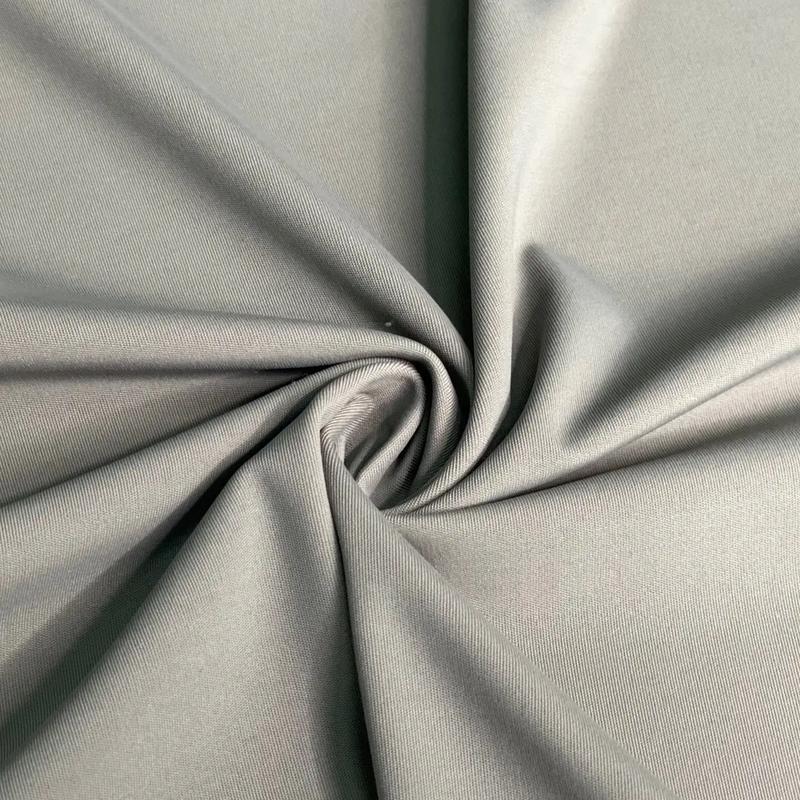
3. Why Wrinkle-Free Trench Coats Are Useful for Everyday Wear
A wrinkle-resistant trench coat is particularly practical for commuters, frequent travelers, and people who want versatile outerwear without extensive garment maintenance.
Less time spent ironing: Fabrics with good wrinkle recovery can maintain a neater appearance after being folded or worn throughout the day.
Better packing convenience: A wrinkle-resistant coat may emerge from a suitcase in better condition than a fabric that creases easily, although results depend on packing pressure and material construction.
A more consistent silhouette: Appropriate fabric structure helps collars, sleeves, and body panels retain their intended appearance.
Greater everyday versatility: A well-designed trench coat can transition between commuting, travel, and casual occasions without requiring constant pressing.
However, wrinkle-resistant does not mean completely crease-proof. Deep folds, prolonged compression, humidity, and improper care can still affect appearance.
When shopping for an easy-care trench coat, check the fabric composition, care label, lining, weight, and construction details. These features often provide more useful information than broad claims about advanced materials.
4. Is Heated Innerwear a Genuine Technology or a Marketing Gimmick?
Heated base layers address a different clothing challenge: maintaining warmth in cold environments.
Unlike shape memory textiles, which focus on shape recovery or stimulus-responsive deformation, heated innerwear uses powered heating elements to generate warmth. A rechargeable battery supplies electricity, and the wearer can typically select from several heat settings.
This is a genuine technology with practical applications, but its value depends on how and where the garment is used.
When heated innerwear makes sense
Heated base layers can be useful during prolonged exposure to cold, low-activity outdoor periods, winter commuting, and certain recreational activities. Adjustable heating may provide additional comfort when ordinary layering is insufficient.
They can also help users adapt to changing temperatures without continuously adding or removing bulky garments.
When traditional thermal underwear may be better
For running, high-intensity workouts, and other activities that generate substantial body heat, a lightweight moisture-wicking base layer may be the more practical choice.
Breathability, perspiration management, stretch, and freedom of movement are essential for athletic comfort. A heated garment that feels heavy, restricts movement, or traps moisture may not deliver the expected benefits.
Battery runtime, charging requirements, heating distribution, garment maintenance, and purchase price should also be considered.
The conclusion is straightforward: heated innerwear is not automatically a gimmick, but it is not necessary for every user. Its value comes from solving a real warmth problem rather than simply adding technology to a garment.
5. Shape Memory Fabric vs. Heated Base Layers: Understanding the Difference
These technologies serve different purposes, even though both may be described as smart textiles.
Shape memory fabric focuses on recovering or changing shape in response to an appropriate stimulus. In wrinkle-resistant trench coats, the practical objective is often maintaining a smooth appearance and reducing garment maintenance.
Heated base layers focus on thermal comfort. Their primary function is to provide supplemental warmth through electrically powered heating elements.
A garment may combine multiple functions, but one feature does not automatically imply another. A wrinkle-resistant trench coat is not necessarily temperature-responsive, and a heated shirt does not necessarily contain shape memory fibers.
Understanding the intended function makes it easier to evaluate product descriptions and avoid paying extra for features you will rarely use.
6. How to Choose Smart Apparel That Delivers Real Value
When selecting performance apparel, begin with your daily routine rather than the technology label.
For a travel-friendly trench coat, prioritize wrinkle recovery, fabric stability, comfortable weight, weather suitability, and easy-care instructions. Look for clear information about fiber composition and finishing treatments.
For heated innerwear, compare battery specifications, heat settings, expected runtime, fit, fabric breathability, and washing requirements. Follow the manufacturer’s safety instructions, particularly when handling batteries and electrically heated components.
For everyday thermal clothing, a well-fitting moisture-wicking base layer and an appropriate outer shell may provide excellent comfort without additional electronics.
At Monsoon Apparel, thoughtful apparel design starts with matching material properties to real-world needs. Whether the goal is maintaining a polished appearance during travel or staying comfortable in colder conditions, the best clothing combines functional materials, practical construction, and wearable design.
Final Thoughts
Shape memory fabrics and heated innerwear illustrate two distinct directions in modern textile innovation. The former explores how materials can recover or adapt their shape, while the latter uses electrical heating to provide supplemental warmth.
For wrinkle-resistant trench coats, fabric structure, fiber composition, and finishing treatments all contribute to appearance retention. For heated base layers, battery performance, heating distribution, comfort, and activity level determine whether the technology is worth the investment.
Neither technology should be judged by its name alone. Look beyond marketing claims, understand the material’s actual function, and choose clothing that meets your everyday requirements.
The best apparel innovation is not simply about making clothing more complicated. It is about making clothing more comfortable, practical, durable, and suited to the way you live.