In the world of high-performance technical outerwear, durability is everything. Whether facing a torrential downpour on an alpine expedition or braving a heavy coastal storm on a daily commute, consumers rely on waterproof breathable apparel to keep them dry, comfortable, and protected. However, behind every successful garment lies a complex engineering puzzle: fabric lamination.
When a waterproof membrane begins to blister, bubble, or peel away from the outer textile face fabric, the garment’s performance collapses. Water leaks through, breathability drops to zero, and the aesthetic appeal is instantly ruined. For technical apparel brands and manufacturers, fabric delamination is a costly nightmare.
Understanding why blistering happens requires looking closely at the hidden chemical and physical relationship between waterproof breathable membranes and the adhesives used to bond them.
The Anatomy of Fabric Lamination Failures
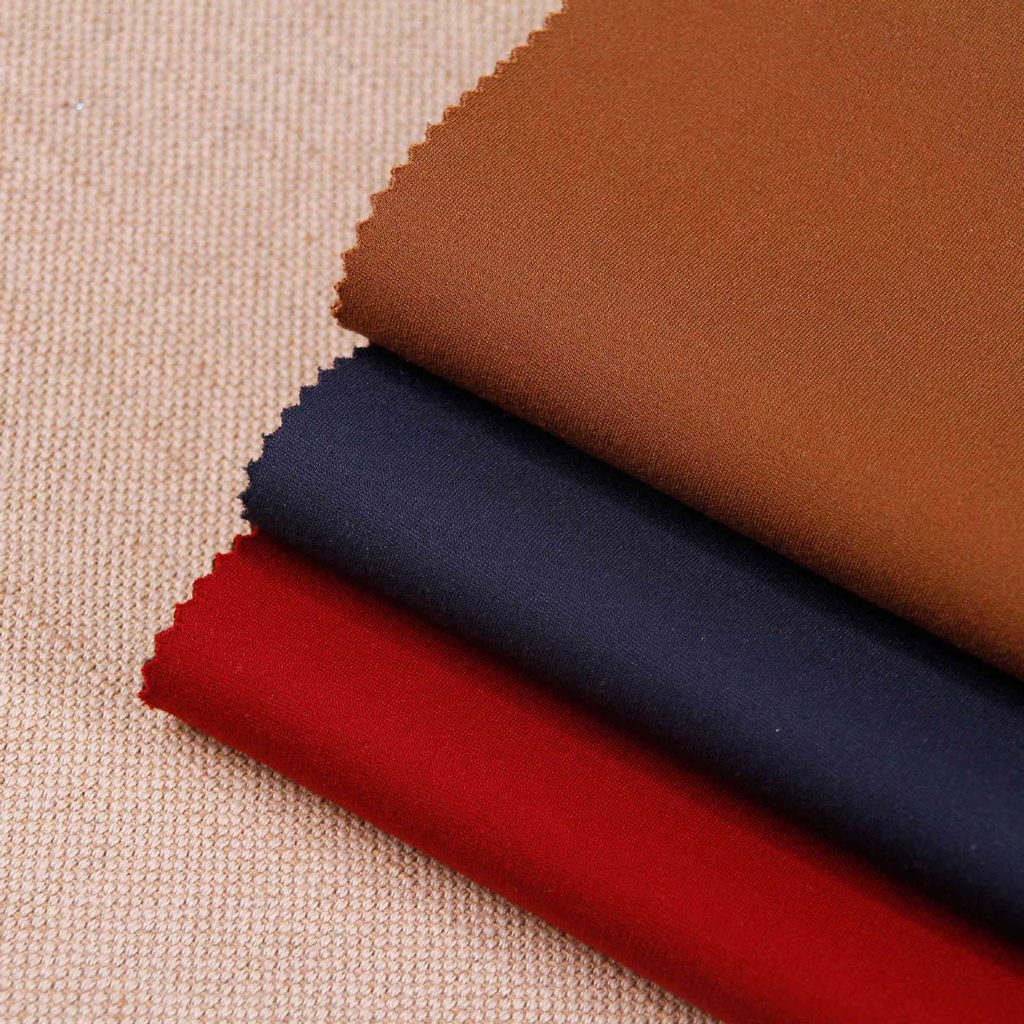
Fabric lamination typically involves bonding a high-performance membrane—such as expanded polytetrafluoroethylene (ePTFE), polyurethane (PU), or polyester—onto a woven or knitted face fabric using specialized adhesives.
When this bond fails, it usually manifests in two primary ways:
- Blistering and Bubbling: Small or large pockets where the membrane detaches from the fabric, creating an uneven, bumpy texture on the garment surface. This often worsens after exposure to heat, body sweat, or laundering.
- Edge Peeling and Delamination: The layers separate entirely, usually starting at high-friction areas, seams, or cuffs, leading to complete structural failure of the waterproof barrier.
These defects are rarely random. They are almost always symptomatic of an underlying compatibility issue between the membrane chemistry and the adhesive system.
The Root Cause: Membrane and Adhesive Incompatibility
The primary driver behind blistering and delamination is a mismatch between the surface properties of the membrane and the chemical makeup of the adhesive.
1. Surface Energy Mismatch
Different membranes possess vastly different surface energies. For instance, fluoropolymer-based membranes like ePTFE have extremely low surface energy, making them notoriously difficult to wet and bond with standard adhesives. If an adhesive cannot properly wet out the surface of the membrane, interfacial adhesion is weak. Under thermal stress or mechanical movement during wear, air pockets expand, resulting in blistering.
2. Chemical Reactivity and Plasticizer Migration
Polyurethane (PU) reactive hot melt (PUR) adhesives are widely used in the technical textile industry due to their excellent flexibility, wash durability, and waterproof performance. However, certain membrane formulations contain plasticizers, processing oils, or residual solvents. Over time, these chemical additives can migrate into the adhesive layer, acting as a solvent that degrades the cross-linked polymer network, causing the bond to weaken and peel apart.
3. Moisture and Curing Dynamics
Many advanced moisture-barrier membranes rely on hydrophilic characteristics to transport sweat vapor away from the body. If a moisture-reactive adhesive is used, ambient humidity and the moisture content within the membrane itself play a critical role in the curing process. Improper moisture balance during lamination can cause incomplete curing, leaving micro-voids that trap air and moisture, which later expand into blisters when exposed to ironing or body heat.
Key Parameters for Preventing Lamination Defects
Eliminating blistering and peeling requires a rigorous, controlled approach to material selection and lamination processing. Manufacturers should evaluate several key factors:
- Pre-Treatment and Surface Modification: For low-energy membranes like PTFE, corona discharge, plasma treatment, or chemical priming is often necessary to raise the surface energy and create microscopic anchoring sites for the adhesive.
- Adhesive Selection: Always match the adhesive chemistry to the specific membrane type. For instance, specialized polyurethane formulations designed with high green strength and specific functional groups provide superior adhesion to hydrophilic PU membranes compared to standard general-purpose hot melts.
- Coating Weight and Penetration Control: Applying too much adhesive can stiffen the fabric and reduce breathability, while applying too little leads to spotty bonding and eventual delamination. Precise gravure roller coating ensures an even, optimal distribution of adhesive dots or webs.
- Process Temperature and Pressure Calibration: Lamination temperature, nip roll pressure, and dwell time must be precisely calibrated to the thermal limits of both the face fabric and the membrane. Excessive heat can cause thermal degradation of the membrane or premature outgassing, trapping vapor bubbles between the layers.
Testing and Quality Assurance Protocols
To ensure long-term garment reliability, rigorous testing should be integrated into the product development cycle before bulk production begins.
Standard testing protocols include peel strength testing to measure the force required to separate the membrane from the fabric, hydrostatic head testing before and after simulated laundering, and accelerated aging tests involving heat and humidity chambers. These tests help identify potential compatibility flaws early, preventing costly recalls and ensuring that the final outerwear stands up to the harshest environmental conditions.
Conclusion
The structural integrity of waterproof breathable apparel depends entirely on the microscopic bond between fabric, membrane, and adhesive. By understanding the intricate chemistry of surface energy, adhesive curing, and material compatibility, technical apparel developers can eliminate blistering and delamination at the source. Prioritizing precision engineering in the lamination phase ensures that garments deliver enduring protection, peak breathability, and uncompromising quality in the field.