When it comes to modern menswear and women’s smart-casual apparel, few garments possess the enduring versatility of a well-crafted pair of chinos. Originally designed for military use, these cotton twill trousers have seamlessly transitioned into everyday wardrobes across the globe. They are the ultimate sartorial chameleon—perfectly at home in a corporate boardroom, at a weekend brunch, or on a casual evening out.
However, for fashion brands and private labels, the journey from a basic design concept to a top-selling garment is complex. The secret behind every great pair of chinos lies not just in the design, but in the hands of the factory that brings them to life. Partnering with a skilled chinos manufacturer is the single most critical decision a brand can make. In this article, we will explore the intricate details of chino production and highlight exactly what separates an average production facility from a world-class manufacturing partner.
The Foundation of Excellence: Fabric Selection and Sourcing
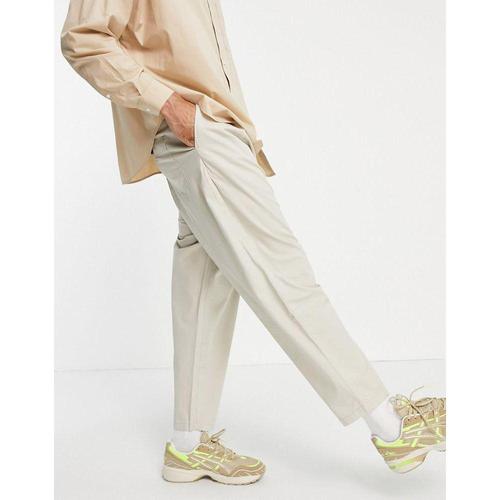
The hallmark of a premium pair of chinos is the fabric. Unlike denim, which relies on rugged durability, chino cloth requires a delicate balance between resilience, breathability, and a soft hand-feel. A top-tier chinos manufacturer understands that fabric sourcing is the foundation of the entire production process.
Traditionally, chinos were crafted from 100% cotton twill. Today, consumer demands have shifted toward comfort, mobility, and performance. A knowledgeable manufacturer will offer an extensive library of fabric options, including organic cotton blends, stretch twill incorporating elastane or spandex, and even performance fabrics that offer moisture-wicking or water-resistant properties. The right manufacturer doesn’t just cut and sew; they act as a strategic fabric sourcing partner, helping brands navigate the complexities of fabric weights (measured in ounces or GSM) to ensure the final product aligns perfectly with the target season and consumer price point.
Precision in Pattern Making and Fit
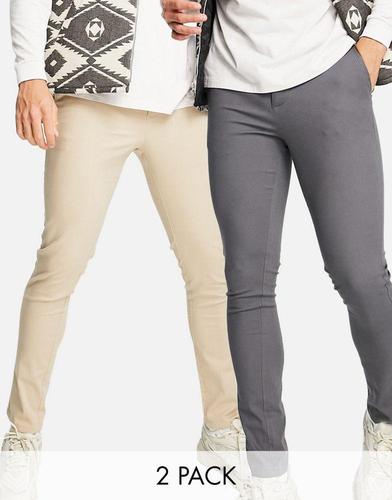
Fit is the undisputed king in the apparel industry. You can source the most luxurious cotton twill in the world, but if the fit is off, the product will inevitably fail. Chino trousers come in a myriad of silhouettes: skinny, slim, tailored, straight, and relaxed. Each silhouette requires a meticulously graded pattern.
A specialized chinos manufacturer employs master pattern makers who understand the nuances of trouser construction. This includes calculating the exact rise, refining the taper of the leg, and ensuring the seat of the trousers provides both comfort and aesthetic appeal. Furthermore, because modern chinos often incorporate stretch fabrics, the manufacturer must possess the technical expertise to account for fabric shrinkage and stretch-recovery rates during the pattern-making phase. This level of technical precision ensures that a size 32 waist fits like a true size 32, minimizing customer returns and maximizing brand loyalty.
Mastering the Dyeing and Finishing Processes
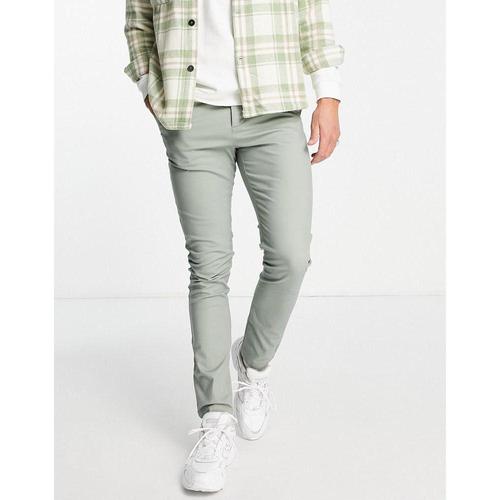
The color palette of a chino collection is one of its primary selling points. Classic khaki, navy, and olive are staples, but seasonal hues often drive fresh sales. How a garment achieves its color is highly dependent on the manufacturing process.
An experienced chinos manufacturer will guide brands through the pros and cons of various dyeing techniques. For a clean, uniform look, piece-dyed fabrics are often preferred. However, if a brand is looking for a vintage, lived-in aesthetic with slightly faded seams, the manufacturer might recommend garment dyeing—a process where the trousers are constructed first and dyed afterward.
Beyond dyeing, finishing touches elevate a standard pant to a premium product. This involves specialized washing techniques, such as enzyme washes or silicone finishes, which dramatically enhance the softness of the cotton twill, providing the consumer with instant comfort from the very first wear.
Stringent Quality Control Standards
In the realm of apparel manufacturing, consistency is paramount. It is not enough to produce one perfect sample; a reliable chinos manufacturer must be able to replicate that perfection across thousands of units. This requires a robust Quality Control (QC) infrastructure.
Superior manufacturing facilities implement multi-stage QC protocols. This includes inline inspections during the sewing process to catch skipped stitches, uneven hems, or misaligned pockets. Hardware application is another critical area; the attachment of buttons, the smoothness of zippers, and the durability of bar tacks at high-stress points (like belt loops and pocket corners) must be rigorously tested. By maintaining these unyielding standards, a premier manufacturer protects the brand’s reputation in the marketplace.
Ethical Manufacturing and Sustainability
Today’s consumers are more informed and conscientious than ever before. They want to know where their clothes come from and how the people making them are treated. As a result, choosing a chinos manufacturer dedicated to ethical labor practices and environmental sustainability is no longer optional—it is a business imperative.
Forward-thinking production facilities are adopting sustainable practices, such as reducing water consumption in their dye houses, utilizing eco-friendly dyes, and ensuring fair, safe working conditions for their artisans. Partnering with a manufacturer that aligns with these values allows brands to market their products with authenticity and pride.
Why Brands Trust Monsoon Apparel
Navigating the complexities of garment production requires a partner who is as invested in your brand’s success as you are. At Monsoon Apparel, we pride ourselves on being a leading chinos manufacturer dedicated to turning visionary concepts into retail-ready realities. By combining decades of textile expertise with cutting-edge production technology, we offer brands unparalleled quality, transparent communication, and scalable production solutions.
Whether you are launching a new smart-casual line or looking to upgrade your current supply chain, the right manufacturing partner makes all the difference. Choose a manufacturer that values craftsmanship, embraces innovation, and consistently delivers excellence on every single stitch.