The apparel industry has become more accessible than ever before. Entrepreneurs, influencers, retailers, and established businesses are launching their own clothing brands to meet the growing demand for fashionable and comfortable apparel. Among the most popular products in today’s market, sweatpants continue to attract consumers because they combine versatility, comfort, and modern style.
For many brands, the fastest and most cost-effective way to enter the market is by partnering with a private label sweatpants manufacturer. Instead of building a factory or managing complex production processes, businesses can focus on branding, marketing, and customer relationships while relying on an experienced manufacturing partner to produce high-quality garments.
If you are considering launching your own sweatpants collection, understanding how private label manufacturing works can help you make informed decisions and establish a strong foundation for long-term growth.
What Is Private Label Sweatpants Manufacturing?
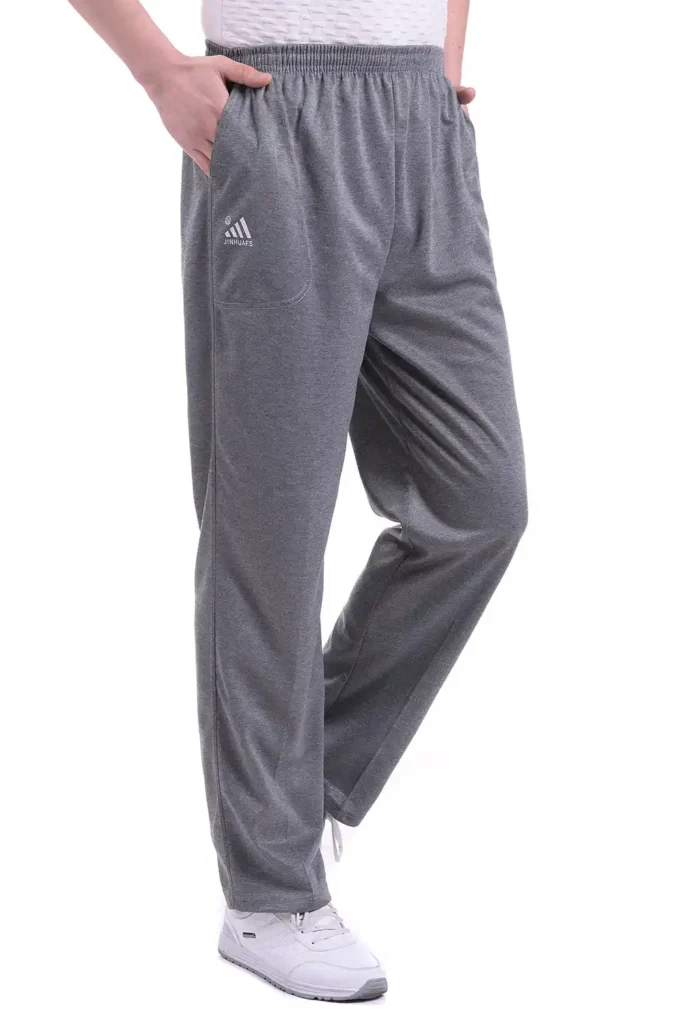
Private label manufacturing allows a business to sell products under its own brand name while the garments are produced by an experienced apparel manufacturer.
Unlike purchasing generic wholesale products, private label manufacturing gives you the ability to customize the product so it reflects your brand identity. Your customers see your logo, labels, packaging, and design details rather than the manufacturer’s name.
This business model enables companies to create exclusive collections without investing in production facilities, specialized equipment, or large manufacturing teams.
Why Private Label Is Popular Among Clothing Brands
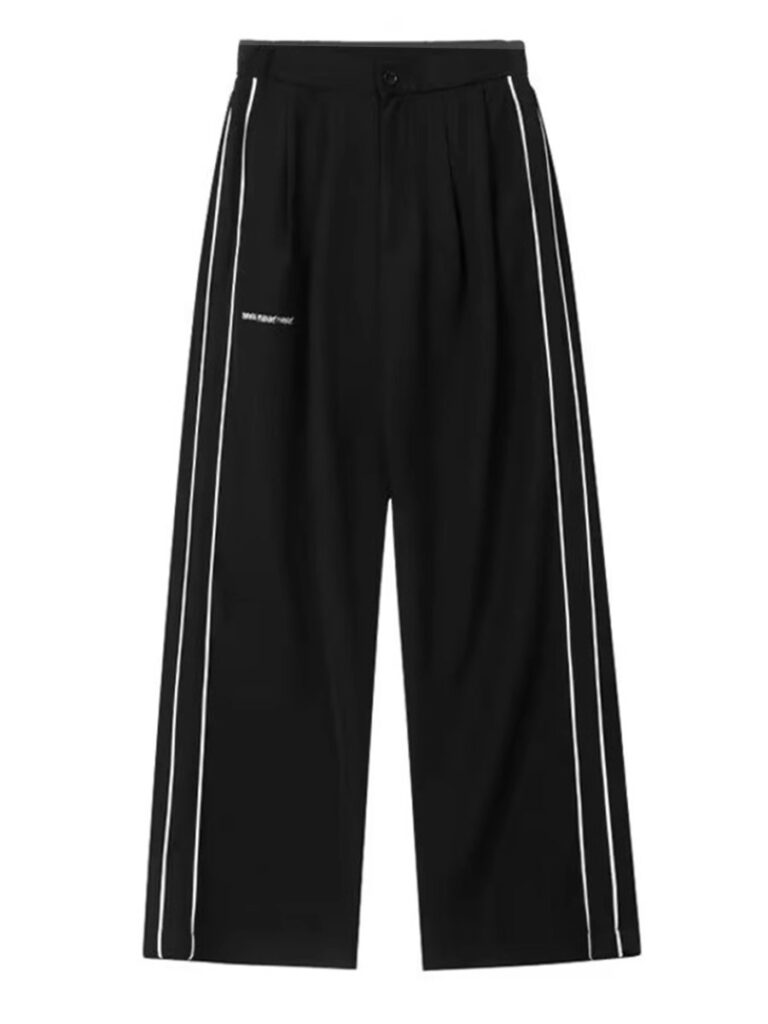
Launching a clothing brand requires balancing creativity with practical business decisions. Private label manufacturing helps simplify the production process while providing greater flexibility.
Some of the key advantages include:
- Lower startup costs
- Faster product development
- Professional manufacturing expertise
- Consistent product quality
- Greater control over branding
- Flexible production quantities
- Easier product expansion
These benefits allow businesses to focus on growing their customer base instead of managing factory operations.
Creating Products That Represent Your Brand
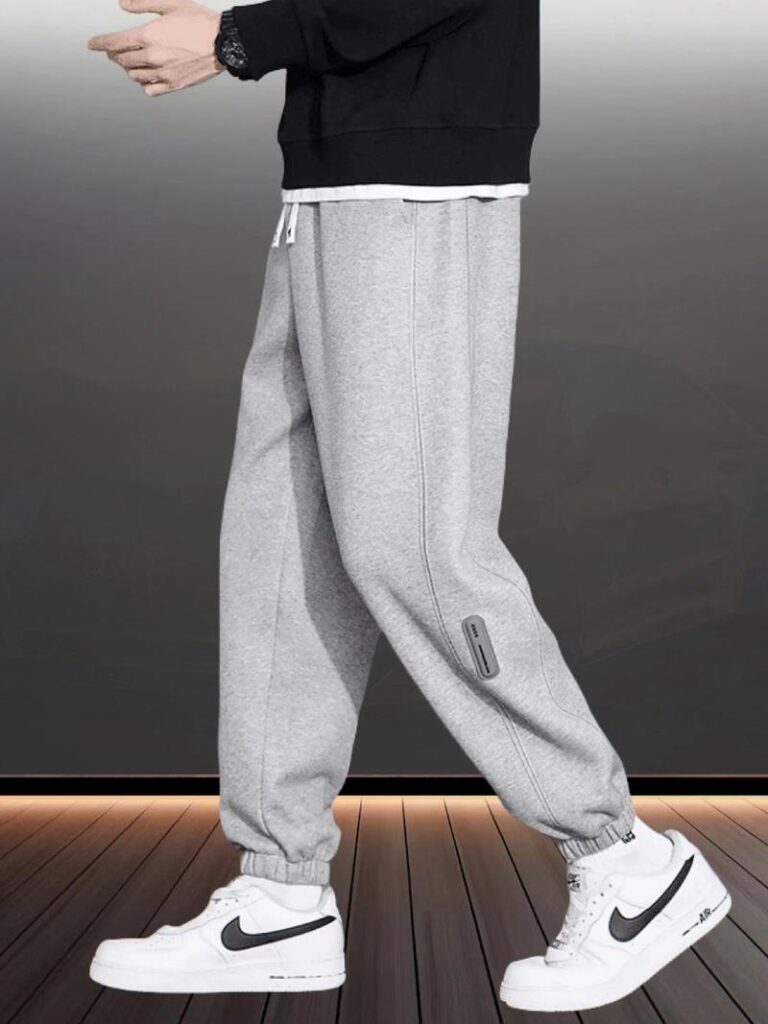
One of the greatest strengths of private label manufacturing is the ability to create products that look and feel unique.
Professional sweatpants manufacturers can customize numerous elements, including:
Fabric Options
The choice of fabric affects comfort, durability, appearance, and price.
Popular materials include:
- Cotton fleece
- French terry
- Cotton-polyester blends
- Organic cotton
- Recycled fabrics
- Performance knit fabrics
Different materials allow brands to serve various customer groups, from luxury loungewear buyers to active lifestyle consumers.
Fit and Style
Every brand has its own design philosophy.
Manufacturers can produce:
- Relaxed fit sweatpants
- Slim fit joggers
- Oversized streetwear styles
- Wide-leg sweatpants
- Tapered athletic pants
- Cargo sweatpants
Custom sizing also helps brands meet the expectations of different regional markets.
Branding Details
Private label manufacturing makes it possible to customize almost every visible branding element.
These may include:
- Woven labels
- Printed labels
- Embroidered logos
- Screen printing
- Silicone patches
- Rubber badges
- Metal logo accessories
- Custom drawstrings
- Branded zipper pulls
- Hang tags
- Packaging bags
- Shipping boxes
These finishing touches contribute to a more professional brand image and enhance the overall customer experience.
The Importance of Product Development
Successful apparel collections rarely happen by accident.
Before production begins, experienced manufacturers work closely with clients to refine product details through a structured development process.
This often includes:
- Reviewing design concepts
- Creating technical specifications
- Developing patterns
- Selecting fabrics
- Producing samples
- Adjusting fit
- Confirming branding placement
Investing time in product development helps reduce manufacturing errors and improves consistency across future production runs.
Sampling Before Bulk Production
Sampling is one of the most valuable stages in apparel manufacturing.
It allows brands to inspect the product before placing a larger order.
During sample evaluation, businesses typically review:
- Overall fit
- Fabric texture
- Construction quality
- Stitching consistency
- Color matching
- Logo positioning
- Packaging appearance
Feedback from the sampling stage helps manufacturers make improvements before mass production begins.
Quality Control Protects Your Reputation
Customers expect clothing that matches the quality shown in online photos and product descriptions.
Reliable manufacturers implement quality control throughout the production process instead of waiting until garments are completed.
Inspection procedures commonly include:
- Fabric inspection
- Cutting accuracy
- Stitch strength
- Size verification
- Logo placement
- Final appearance
- Packaging inspection
Consistent quality helps reduce returns, strengthen customer trust, and encourage repeat purchases.
Flexible Manufacturing Supports Business Growth
Every clothing brand develops at its own pace.
Some businesses launch with a single product, while others introduce complete seasonal collections.
A flexible manufacturer can support both situations by offering scalable production solutions.
As demand increases, manufacturers can often assist with:
- Larger production volumes
- Additional colorways
- New product categories
- Seasonal collections
- Faster repeat orders
- Ongoing product improvements
This flexibility allows brands to grow without constantly changing suppliers.
Questions to Ask Before Choosing a Manufacturer
Selecting the right manufacturing partner requires careful evaluation.
Before making a decision, consider asking questions such as:
- What fabrics are available?
- Can you develop custom samples?
- What is your minimum order quantity?
- What quality control procedures do you use?
- Can you provide private label services?
- Do you offer custom packaging?
- What is your average production lead time?
- Which countries do you ship to?
- Can you support future product expansion?
The answers to these questions will help you determine whether the manufacturer is the right fit for your business goals.
Why Long-Term Cooperation Delivers Better Results
Many successful clothing brands work with the same manufacturing partner for years.
As the relationship develops, production becomes more efficient because the manufacturer gains a deeper understanding of your designs, preferred fabrics, quality expectations, and branding requirements.
Long-term cooperation often leads to:
- Faster communication
- More accurate repeat orders
- Improved production planning
- Better consistency
- Easier collection development
Rather than treating manufacturing as a series of individual transactions, viewing it as a strategic partnership can create lasting value for your business.
Why Choose Monsoon Apparel as Your Private Label Sweatpants Manufacturer?
Finding the right manufacturing partner is one of the most important decisions for any clothing brand.
Monsoon Apparel provides comprehensive private label sweatpants manufacturing services for startups, fashion brands, wholesalers, retailers, and distributors around the world. From product development and fabric sourcing to sampling, bulk production, quality control, custom branding, and global shipping, the company supports every stage of the manufacturing journey.
Whether you are launching your first collection or expanding an established apparel business, Monsoon Apparel offers flexible manufacturing solutions designed to help brands bring their ideas to market with confidence.
Building a successful clothing brand requires creativity, consistency, and reliable production. By partnering with an experienced private label sweatpants manufacturer, you can focus on growing your business while delivering comfortable, durable, and professionally crafted products that customers will continue to choose season after season.