Choosing the right jersey maker is one of the most important decisions for sports teams, retailers, wholesalers, and apparel brands. A manufacturing partner has a direct impact on product quality, customer satisfaction, delivery reliability, and even the reputation of your business. While many suppliers advertise custom jersey production, not all offer the same level of expertise, consistency, or service.
Before committing to a large production order, it’s essential to evaluate a manufacturer carefully. Looking beyond price and taking time to assess production capabilities can help you avoid costly mistakes while establishing a long-term partnership with a reliable supplier.
This guide outlines the key factors every buyer should consider when selecting a professional jersey maker.
Review the Manufacturer’s Industry Experience
Experience is often the first sign of a dependable manufacturing partner.
Producing sports jerseys requires specialized knowledge that differs significantly from manufacturing everyday clothing. Athletic apparel must be comfortable, durable, lightweight, and capable of performing under demanding conditions.
An experienced jersey maker understands how different sports require different garment constructions. Basketball jerseys, baseball uniforms, football shirts, rugby jerseys, and cycling apparel all have unique performance requirements.
Manufacturers with extensive experience are also more likely to identify potential production issues before they become problems, helping ensure smoother projects and more consistent results.
Examine Previous Projects
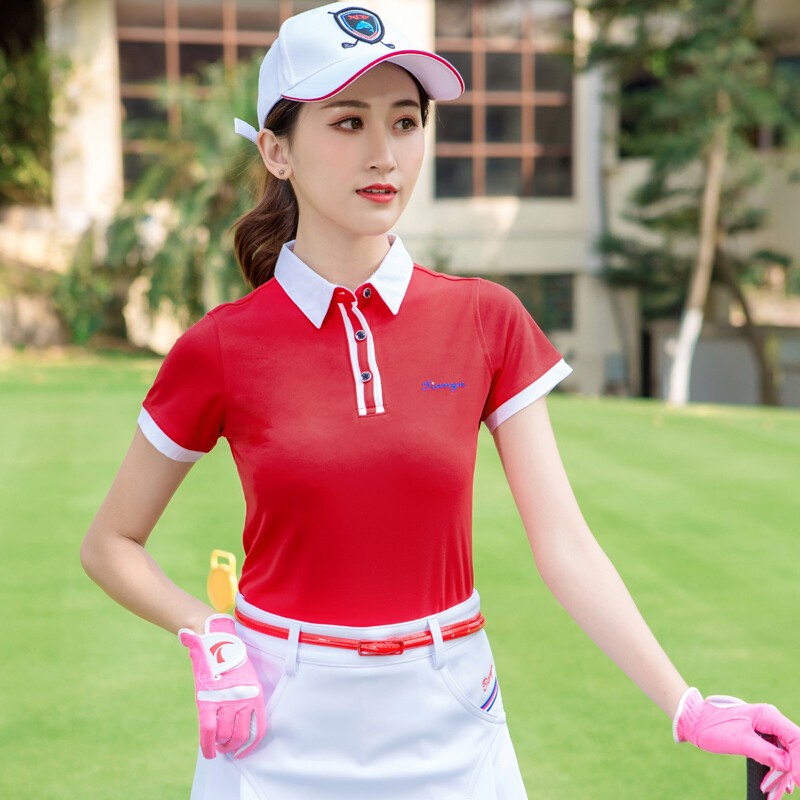
One of the easiest ways to evaluate a jersey maker is by reviewing examples of previous work.
Look for evidence of:
- Professional design quality
- Accurate logo placement
- Clean stitching
- Vibrant colors
- Consistent sizing
- High-quality finishing
A diverse portfolio demonstrates that the manufacturer has experience serving different sports, organizations, and markets.
If possible, ask whether the company has produced jerseys for schools, clubs, retailers, distributors, or private-label brands similar to your business.
Request a Production Sample
Never place a large order without seeing a sample.
A sample allows you to inspect every aspect of the product before approving mass production.
Pay attention to:
- Fabric texture
- Stitching strength
- Printing clarity
- Color consistency
- Fit and sizing
- Overall comfort
Wear testing can also provide valuable insights into how the jersey performs during physical activity.
If adjustments are needed, they can usually be made before full production begins, reducing both cost and risk.
Evaluate Fabric Quality
The fabric is the foundation of every sports jersey.
High-quality materials improve comfort, enhance durability, and support athletic performance.
Professional jersey makers typically offer several technical fabric options, including:
- Moisture-wicking polyester
- Breathable mesh
- Bird-eye fabric
- Interlock knit
- Stretch performance materials
- Recycled polyester
Ask the manufacturer to explain the benefits of each fabric and recommend the most appropriate option for your project.
A knowledgeable supplier should be able to discuss fabric weight, breathability, durability, and suitable applications in detail.
Understand the Printing Technology
Printing quality directly affects the appearance and lifespan of a jersey.
Professional manufacturers often recommend sublimation printing because it permanently integrates color into the fabric.
Benefits include:
- Bright colors
- Long-lasting graphics
- No peeling
- No cracking
- Excellent wash resistance
- Unlimited design flexibility
Some projects may also include embroidery for premium logos or heat-transfer applications for names and numbers.
Understanding the available decoration methods helps ensure your finished jerseys meet both visual and performance expectations.
Assess Communication Efficiency
Successful manufacturing depends on effective communication.
A professional jersey maker should respond promptly, answer questions clearly, and provide regular production updates.
Reliable communication is especially important during:
- Design approval
- Sample review
- Material preparation
- Production scheduling
- Quality inspection
- Shipping arrangements
Clear communication reduces misunderstandings and helps projects stay on schedule.
When evaluating a supplier, consider not only how quickly they respond but also how thoroughly they address your questions.
Ask About Quality Control
Quality control separates professional manufacturers from average suppliers.
Rather than inspecting products only after production is complete, experienced jersey makers monitor quality throughout the manufacturing process.
Typical inspections include:
- Fabric inspection
- Print verification
- Stitching examination
- Size measurement
- Label placement
- Packaging accuracy
Consistent inspections reduce defects and help ensure every jersey meets the same production standards.
For brands planning repeat orders, reliable quality control is essential for maintaining customer trust.
Consider Production Capacity
A manufacturer should be capable of meeting both your current and future production needs.
Some businesses begin with relatively small orders but later expand into larger wholesale operations.
Choosing a jersey maker with scalable production capabilities allows you to grow without changing suppliers.
Ask about:
- Monthly production capacity
- Lead times
- Seasonal production schedules
- Ability to handle repeat orders
- Support for multiple product lines
Planning ahead helps establish a stronger long-term manufacturing relationship.
Evaluate Private Label Services
If you are building your own sportswear brand, private-label manufacturing should be an important consideration.
Professional jersey makers often provide branding services such as:
- Woven neck labels
- Printed care labels
- Size labels
- Custom hang tags
- Retail packaging
- Barcode labels
These details contribute to a polished product presentation and help strengthen your brand identity.
Private-label manufacturing also allows businesses to sell products under their own name without investing in factory operations.
Verify Shipping and Export Experience
Reliable manufacturing is only part of the equation.
Products must also reach customers safely and on time.
An experienced jersey maker should understand international logistics and provide support for:
- Export documentation
- Packaging standards
- Shipping methods
- Customs requirements
- Delivery scheduling
Whether shipping by air, sea, or express courier, dependable logistics reduce delays and improve the overall purchasing experience.
This is particularly important for international brands serving customers across multiple markets.
Build a Long-Term Partnership
Many successful sportswear businesses work with the same manufacturer for years.
Long-term partnerships create several advantages:
- More efficient communication
- Consistent product quality
- Faster product development
- Better production planning
- Improved understanding of brand requirements
Instead of searching for a new supplier with every collection, businesses can focus on product innovation and customer growth while relying on a trusted manufacturing partner.
Why Monsoon Apparel Is a Reliable Jersey Maker
Selecting the right manufacturing partner is an important investment in your brand’s future. Monsoon Apparel provides custom sportswear manufacturing services designed to support businesses of all sizes, from startups launching their first collection to established brands expanding into new markets.
The company offers comprehensive solutions that include design assistance, fabric sourcing, sample development, sublimation printing, embroidery, OEM manufacturing, private-label production, strict quality control, and worldwide shipping. Flexible minimum order quantities allow businesses to start efficiently while maintaining the ability to scale production as demand grows.
With experience producing football jerseys, basketball uniforms, baseball apparel, soccer kits, rugby jerseys, esports uniforms, cycling wear, and other performance garments, Monsoon Apparel combines modern manufacturing technology with careful craftsmanship to deliver products that meet professional standards for quality, durability, and comfort.
Final Thoughts
Evaluating a jersey maker before placing a bulk order requires careful attention to more than just pricing. Manufacturing experience, product quality, communication, fabric selection, printing technology, quality control, private-label capabilities, and shipping support all contribute to a successful partnership.
Taking the time to review samples, ask detailed questions, and assess a manufacturer’s capabilities can reduce production risks while helping your business deliver products that customers trust.
Whether you are supplying sports teams, launching a new apparel brand, or expanding an existing product line, partnering with a dependable jersey maker creates a strong foundation for long-term success in the competitive sportswear industry.