Choosing the right silk scarf manufacturer is one of the most important decisions for any fashion brand, retailer, boutique owner, or private label business. A reliable manufacturing partner can help you create premium products, maintain consistent quality, and scale your business efficiently. On the other hand, selecting the wrong supplier can lead to delays, quality issues, unexpected costs, and dissatisfied customers.
Many businesses focus primarily on pricing when comparing manufacturers. While cost is certainly important, it should never be the only factor influencing your decision. Asking the right questions before placing an order can help you identify trustworthy manufacturers and avoid costly mistakes.
Whether you are launching your first silk scarf collection or expanding an existing product line, here are the most important questions to ask before committing to a manufacturing partnership.
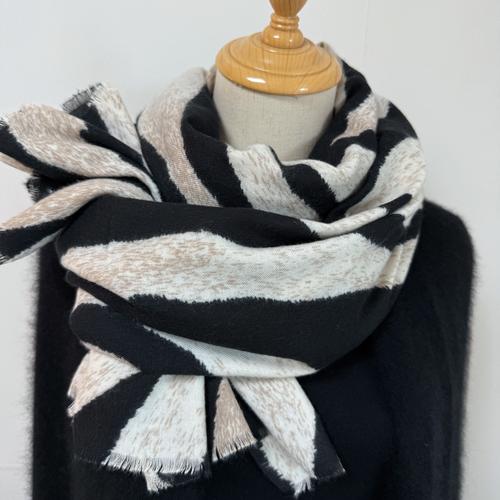
1. What Types of Silk Fabrics Do You Offer?
Not all silk fabrics are the same. Different materials create different textures, appearances, and customer experiences.
A professional manufacturer should offer multiple options, such as:
- Silk Twill
- Silk Satin
- Silk Chiffon
- Silk Georgette
- Silk Crepe de Chine
Understanding the characteristics of each fabric is essential for selecting the right material for your collection.
For example:
- Silk twill is known for durability and luxury appeal.
- Silk satin provides a glossy and elegant finish.
- Silk chiffon offers a lightweight and flowing appearance.
- Silk georgette creates a sophisticated textured effect.
Manufacturers should be able to explain the advantages of each fabric and recommend the best choice for your target market.
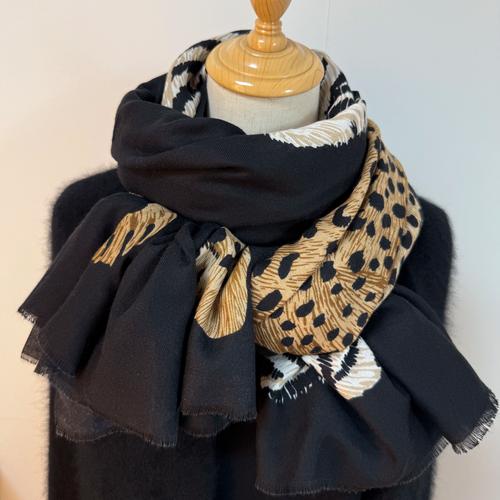
2. Can You Produce Fully Custom Designs?
Custom design capability is one of the most important factors when evaluating silk scarf manufacturers.
Ask whether they can accommodate:
- Original artwork
- Custom patterns
- Brand logos
- Unique color palettes
- Special dimensions
- Seasonal collections
A manufacturer experienced in customization should be capable of transforming your design concept into a finished product without compromising quality.
The ability to create exclusive designs helps brands differentiate themselves in competitive markets.
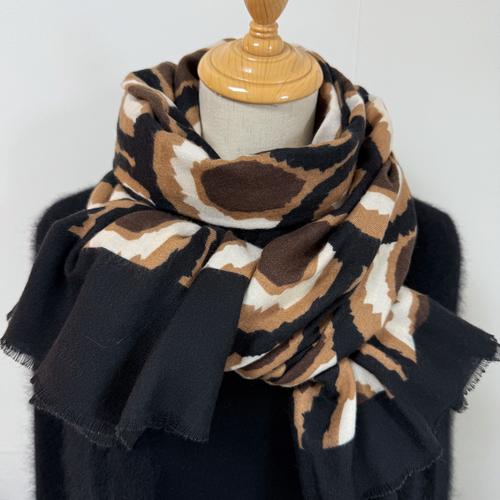
3. What Printing Methods Do You Use?
Printing quality directly affects the appearance of a silk scarf.
Ask manufacturers which printing technologies they use and which method is best suited for your designs.
Common options include:
Digital Printing
Digital printing is ideal for:
- Intricate artwork
- Multiple colors
- Photographic images
- Small production runs
Screen Printing
Screen printing works well for:
- Bold graphic designs
- Large production quantities
- Consistent color reproduction
Understanding the strengths of each printing method helps ensure your final product meets expectations.
4. What Is Your Minimum Order Quantity (MOQ)?
MOQ requirements can significantly impact your inventory investment.
Many startups and small businesses prefer manufacturers that offer flexible production quantities.
Low MOQ production allows brands to:
- Test new designs
- Reduce financial risk
- Launch products faster
- Minimize excess inventory
Before moving forward, clarify:
- Sample MOQ
- First production MOQ
- Reorder MOQ
- Custom packaging MOQ
Transparent MOQ policies make production planning much easier.
5. Do You Provide Samples Before Bulk Production?
Never place a large order without reviewing a sample first.
Sampling helps verify:
- Fabric quality
- Print accuracy
- Color consistency
- Stitching quality
- Overall appearance
A reputable manufacturer should encourage sample approval before beginning mass production.
While sampling may add time to the process, it often prevents costly mistakes later.
6. What Quality Control Procedures Do You Follow?
Quality control is one of the strongest indicators of a professional manufacturer.
Ask about inspection procedures during each production stage.
Important checkpoints may include:
- Fabric inspection
- Color verification
- Print accuracy inspection
- Sewing quality checks
- Final product inspection
- Packaging review
Consistent quality standards help protect your brand reputation and reduce product returns.
Customers purchasing silk accessories expect premium craftsmanship, making quality control a critical consideration.
7. Can You Provide Private Label Services?
Many fashion businesses prefer to sell products under their own brand name.
Private label services may include:
- Custom woven labels
- Printed labels
- Brand packaging
- Custom hang tags
- Care labels
- Gift boxes
Private labeling helps create a professional customer experience while strengthening brand recognition.
Manufacturers experienced in private label production can simplify the branding process significantly.
8. What Packaging Options Are Available?
Packaging influences both customer perception and product presentation.
Ask manufacturers whether they offer:
- Standard packaging
- Custom boxes
- Gift packaging
- Recyclable packaging
- Luxury presentation options
Premium packaging can increase perceived value and enhance the unboxing experience.
For luxury and boutique brands, packaging often becomes an extension of the product itself.
9. What Are Your Production Lead Times?
Production timelines affect inventory planning and product launches.
Ask manufacturers about:
- Sample lead times
- Bulk production timelines
- Shipping preparation
- Seasonal production schedules
Production capacity may vary throughout the year, especially before major retail seasons.
Knowing realistic lead times helps avoid missed launch dates and inventory shortages.
10. Do You Work With International Clients?
If you are sourcing products globally, experience with international business is important.
Manufacturers serving overseas clients should understand:
- Export documentation
- International shipping procedures
- Customs requirements
- Global quality standards
- Communication expectations
Working with a supplier familiar with international trade often leads to smoother transactions and fewer logistical issues.
11. Can You Scale Production as My Business Grows?
Your manufacturing needs today may look very different in the future.
Ask whether the manufacturer can support:
- Larger order volumes
- Additional product categories
- Expanded collections
- Seasonal demand increases
A scalable manufacturing partner allows your business to grow without constantly searching for new suppliers.
Long-term partnerships often improve efficiency and consistency over time.
12. Do You Support Sustainable Manufacturing Practices?
Sustainability has become a major consideration for modern consumers and brands.
Ask manufacturers about:
- Responsible sourcing
- Eco-friendly printing methods
- Waste reduction initiatives
- Ethical labor practices
- Sustainable packaging solutions
Consumers increasingly value transparency and environmental responsibility when choosing products.
Partnering with manufacturers that support sustainable production can strengthen your brand’s positioning and appeal.
Warning Signs to Watch For
While evaluating silk scarf manufacturers, be cautious if you encounter:
- Unclear pricing structures
- Poor communication
- Inconsistent sample quality
- Unrealistic delivery promises
- Lack of quality control information
- Limited customization options
- No references or portfolio examples
These issues may indicate potential problems later in the production process.
Conducting thorough research before placing an order can save considerable time, money, and frustration.
Building a Long-Term Manufacturing Partnership
The best manufacturing relationships are built on trust, transparency, and consistent performance.
Rather than viewing manufacturers solely as suppliers, successful brands often treat them as strategic partners.
Strong partnerships can provide:
- Better communication
- Faster product development
- More efficient production
- Consistent quality standards
- Greater flexibility as your business expands
Over time, a dependable manufacturing partner becomes an important contributor to your brand’s success.
Final Thoughts
Selecting the right silk scarf manufacturer requires more than comparing prices. By asking the right questions, brands can better evaluate manufacturing capabilities, quality standards, customization options, and long-term reliability.
A trustworthy partner should provide clear answers, transparent processes, and a commitment to delivering products that meet your expectations.
At Monsoon Apparel, we work with fashion brands, retailers, wholesalers, and entrepreneurs worldwide to develop premium custom silk scarves through private label manufacturing, flexible production solutions, strict quality control, and personalized support. Our goal is to help brands create exceptional products while building long-term manufacturing partnerships that support sustainable growth.