
The apparel industry is undergoing a major transformation as consumers become increasingly aware of the environmental impact of their purchasing decisions. This shift is particularly noticeable in the underwear market, where shoppers are looking beyond comfort and style to evaluate how products are made, what materials are used, and whether brands align with their values.
As a result, sustainable underwear has become one of the fastest-growing segments in the fashion industry. Brands that embrace responsible manufacturing practices are gaining attention from environmentally conscious consumers, retailers, and distributors around the world.
For businesses looking to enter this growing market, partnering with a sustainable underwear manufacturer can provide a significant competitive advantage.
From eco-friendly fabrics and ethical sourcing to waste reduction and responsible production methods, sustainable manufacturing helps brands create products that appeal to modern consumers while supporting long-term business growth.
In this guide, we’ll explore the benefits of sustainable underwear manufacturing, the materials driving the market, and what brands should look for when selecting a production partner.
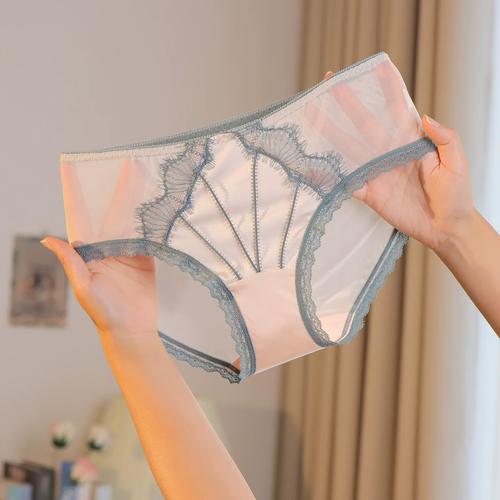
Why Sustainability Matters in the Underwear Industry
Consumer expectations have changed dramatically over the past decade.
Many shoppers now consider factors beyond price and appearance when choosing products. They want to understand:
- Where products are made
- How materials are sourced
- Whether production methods are environmentally responsible
- How brands contribute to sustainability initiatives
This trend is especially strong among younger consumers, who increasingly support brands that demonstrate transparency and responsible business practices.
For underwear brands, sustainability is no longer simply a trend—it has become an important part of long-term market competitiveness.
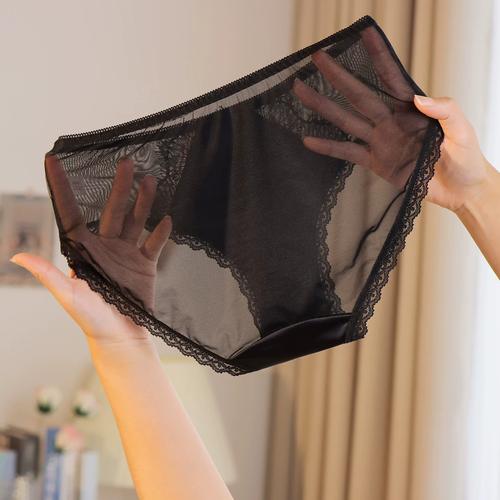
The Growing Demand for Sustainable Underwear
Several factors are contributing to the rise of sustainable underwear.
Increased Consumer Awareness
Environmental concerns have become more prominent in public discussions.
Many consumers are actively seeking products that reduce environmental impact without sacrificing comfort or quality.
Demand for Natural Materials
Shoppers are increasingly interested in products made from renewable and responsibly sourced fibers.
Natural fabrics often align with consumer expectations regarding comfort and environmental responsibility.
Preference for Ethical Brands
Consumers increasingly support businesses that demonstrate accountability throughout their supply chains.
Brands that prioritize sustainable production often build stronger relationships with customers.
What Makes an Underwear Manufacturer Sustainable?
Sustainable manufacturing involves more than simply using eco-friendly fabrics.
A truly responsible manufacturing approach considers the entire production process.
Key factors often include:
- Sustainable material sourcing
- Efficient resource utilization
- Waste reduction initiatives
- Responsible packaging solutions
- Long-lasting product quality
- Ethical production standards
Manufacturers that focus on these areas can help brands create collections that align with evolving consumer expectations.
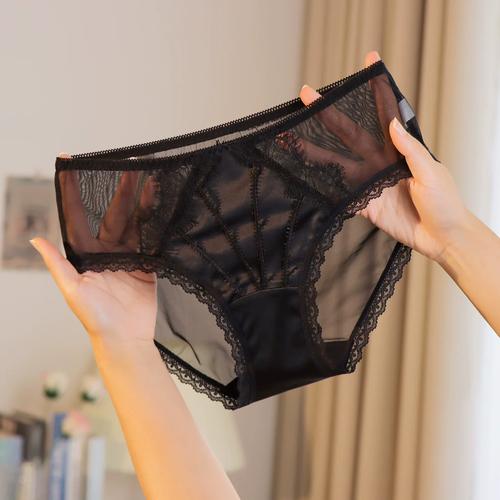
Sustainable Fabrics Used in Underwear Manufacturing
Fabric selection is one of the most important aspects of sustainable underwear production.
Several materials have emerged as popular choices within the industry.
Organic Cotton
Organic cotton remains one of the most widely used sustainable materials in underwear manufacturing.
Compared with conventional cotton, organic cotton production generally emphasizes responsible farming practices and reduced reliance on certain synthetic agricultural inputs.
Benefits include:
- Softness
- Breathability
- Comfort
- Natural feel
Many premium underwear brands use organic cotton as a cornerstone of their sustainable collections.
Bamboo Fabrics
Bamboo-based textiles have gained popularity because of their luxurious softness and moisture-management properties.
Consumers often associate bamboo fabrics with comfort and environmentally conscious product development.
Recycled Fibers
Many manufacturers now incorporate recycled materials into underwear production.
These materials can help reduce demand for virgin resources while supporting circular production initiatives.
Modal and Lyocell
Cellulose-based fibers such as modal and lyocell are frequently used in premium underwear collections.
These fabrics are valued for:
- Smooth texture
- Lightweight feel
- Moisture management
- Excellent comfort
Their popularity continues to grow within the sustainable apparel market.
Benefits of Sustainable Underwear Manufacturing for Brands
Working with a sustainable underwear manufacturer offers advantages beyond environmental considerations.
Stronger Brand Positioning
Sustainability can help brands differentiate themselves in a competitive marketplace.
Consumers increasingly seek products that align with their personal values.
Greater Customer Loyalty
Brands that demonstrate commitment to responsible practices often build stronger customer relationships.
Repeat customers frequently become brand advocates and contribute to long-term growth.
Access to New Market Opportunities
Many retailers, distributors, and online marketplaces are expanding their focus on environmentally responsible products.
Sustainable collections can open doors to new sales channels and partnerships.
Long-Term Business Value
As sustainability becomes increasingly important within the apparel industry, brands that invest early may be better positioned to adapt to future market expectations.
Product Categories for Sustainable Underwear Brands
A sustainable underwear manufacturer can support a wide range of product categories.
Men’s Sustainable Underwear
Popular styles include:
- Boxer briefs
- Trunks
- Briefs
- Boxers
Many brands focus on combining comfort with environmentally responsible materials.
Women’s Sustainable Underwear
Women’s collections often include:
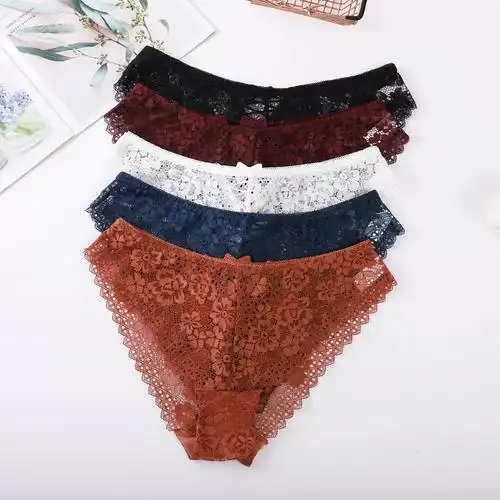
- Briefs
- Hipsters
- Bikinis
- High-waist designs
- Seamless products
Soft fabrics and premium finishes are often key selling points.
Performance Underwear
Athletic consumers increasingly seek products that combine sustainability with functionality.
Performance underwear may feature:
- Moisture management
- Stretch fabrics
- Lightweight construction
- Breathable materials
Premium Lifestyle Collections
Many brands create elevated collections featuring:
- Organic fabrics
- Luxury finishes
- Minimalist designs
- Sustainable packaging
These products often appeal to consumers seeking both comfort and environmental responsibility.
Sustainable Packaging Solutions
Packaging is becoming an increasingly important component of product development.
Many brands are moving away from excessive packaging and adopting alternatives such as:
- Recyclable materials
- Paper-based packaging
- Minimal packaging designs
- Reusable packaging concepts
Sustainable packaging can reinforce a brand’s commitment to responsible business practices.
The Importance of Product Durability
One often overlooked aspect of sustainability is durability.
High-quality underwear that lasts longer may contribute to reduced product replacement frequency.
Manufacturers focused on quality often prioritize:
- Strong stitching
- Fabric performance
- Shape retention
- Color durability
Long-lasting products can improve customer satisfaction while supporting sustainability objectives.
How to Choose a Sustainable Underwear Manufacturer
Selecting the right manufacturing partner is essential.
Consider the following factors.
Material Expertise
Choose a manufacturer with experience sourcing sustainable fabrics.
Product Development Capabilities
Look for support with:
- Fabric sourcing
- Pattern development
- Sampling
- Technical guidance
Quality Control
Reliable quality assurance helps ensure products meet customer expectations.
Production Flexibility
Manufacturers offering both low MOQ and scalable production can support businesses at different growth stages.
Transparency
Clear communication and transparency help build trust and strengthen long-term partnerships.
The Future of Sustainable Underwear Manufacturing
Consumer demand for environmentally responsible products is expected to continue growing.
Future trends may include:
- Increased use of organic fibers
- Expanded recycled material applications
- Improved production efficiency
- Greater supply chain transparency
- Innovative sustainable textiles
Manufacturers that invest in these areas will be better positioned to support brands and retailers in the years ahead.
Why Brands Partner with Monsoon Apparel
Developing a sustainable underwear collection requires more than selecting eco-friendly fabrics. Success depends on product quality, reliable manufacturing, thoughtful product development, and the ability to scale efficiently as demand grows.
At Monsoon Apparel, we help brands develop sustainable underwear collections through fabric sourcing, custom manufacturing, private label solutions, sampling, pattern development, and scalable production services. Our team works closely with clients to create products that balance comfort, durability, responsible material selection, and strong market appeal.
Final Thoughts
As consumers place greater importance on sustainability, the demand for responsibly produced underwear continues to rise. Brands that invest in sustainable product development today can strengthen their market position, build customer loyalty, and create long-term growth opportunities.
Partnering with an experienced sustainable underwear manufacturer provides access to the expertise, materials, and production capabilities needed to bring high-quality eco-conscious products to market. With the right manufacturing partner, brands can create underwear collections that satisfy modern consumer expectations while supporting a more responsible future for the apparel industry.