The global underwear industry continues to evolve as consumers demand higher levels of comfort, performance, sustainability, and style. Whether it’s men’s boxer briefs, women’s seamless underwear, athletic compression garments, or eco-friendly collections, brands are under increasing pressure to deliver products that stand out in a crowded marketplace.
For many businesses, the most effective way to develop unique products is by working with an OEM underwear manufacturer.
OEM manufacturing allows brands to transform original product ideas into commercially successful underwear collections while maintaining full control over design, materials, fit, branding, and packaging. Instead of relying on generic products, companies can create exclusive collections tailored to their target customers and market positioning.
Whether you’re launching a new underwear brand, expanding an existing apparel business, or developing a private label collection, understanding the OEM manufacturing process can help you make better sourcing decisions and build a stronger brand.
What Is OEM Underwear Manufacturing?
OEM stands for Original Equipment Manufacturing.
In the apparel industry, OEM manufacturing refers to producing garments according to a client’s custom specifications rather than offering pre-designed stock products.
With OEM underwear manufacturing, brands control important aspects such as:
- Product design
- Fabric selection
- Sizing and fit
- Waistband construction
- Color combinations
- Branding elements
- Packaging design
- Product performance features
The manufacturer produces the products exclusively for the brand, allowing the company to sell them under its own name.
This approach helps businesses create unique products while benefiting from the expertise and production capabilities of an experienced factory.
Why Brands Choose OEM Underwear Manufacturing
The underwear market has become increasingly competitive.
Consumers today have access to countless brands and product options. To succeed, businesses need products that offer clear differentiation.
OEM manufacturing provides several important advantages.
Complete Product Customization
One of the biggest benefits of OEM production is flexibility.
Brands can customize every aspect of the product to match their vision and customer expectations.
Customization options may include:
- Fabric blends
- Waistband designs
- Stitching methods
- Product dimensions
- Packaging concepts
- Brand labeling
This level of control helps create products that are difficult for competitors to replicate.
Stronger Brand Identity
Generic products often make it difficult for brands to establish a unique identity.
OEM manufacturing enables businesses to develop exclusive collections that reflect their values, positioning, and customer preferences.
Unique products can strengthen:
- Brand recognition
- Customer loyalty
- Market positioning
- Long-term growth potential
Higher Profit Margins
Exclusive products often face less direct competition than generic alternatives.
Brands that offer differentiated products may be able to command premium pricing and improve overall profitability.
The OEM Underwear Development Process
Successful OEM manufacturing follows a structured development process.
Understanding each stage helps brands prepare for efficient production.
Step 1: Product Concept Development
The process begins with defining the product vision.
Important considerations include:
- Target audience
- Product category
- Design features
- Fabric requirements
- Price point
- Market positioning
A clear product strategy helps guide every stage of development.
Step 2: Technical Pack Creation
A technical pack, or tech pack, serves as the manufacturing blueprint.
It typically includes:
- Measurements
- Construction details
- Fabric specifications
- Artwork references
- Label placement
- Packaging instructions
Accurate documentation reduces production errors and improves communication between brands and manufacturers.
Step 3: Fabric Sourcing
Fabric selection plays a critical role in underwear performance and customer satisfaction.
Manufacturers often provide sourcing support to help brands identify suitable materials.
Popular options include:
Cotton
Cotton remains one of the most widely used underwear fabrics due to its softness and breathability.
Organic Cotton
Organic cotton is increasingly popular among consumers seeking environmentally responsible products.
Modal
Modal offers a smooth texture and premium feel that appeals to many consumers.
Bamboo
Bamboo fabrics provide exceptional softness and moisture-management benefits.
Performance Blends
Athletic underwear often incorporates technical fabrics designed to improve stretch, support, and durability.
Selecting the right material helps ensure product success.
Step 4: Pattern Development
Pattern making is one of the most important aspects of underwear manufacturing.
Proper patterns help achieve:
- Consistent fit
- Improved comfort
- Better product performance
- Accurate sizing
Experienced manufacturers use advanced pattern development techniques to optimize garment construction.
Step 5: Sample Production
Before mass production begins, manufacturers create samples for evaluation.
Brands typically review:
- Fit
- Fabric quality
- Comfort
- Appearance
- Branding details
Feedback gathered during sampling helps refine the final product.
Step 6: Mass Production
Once samples receive approval, manufacturing moves into bulk production.
Professional factories follow standardized production procedures to maintain consistency across all units.
Popular OEM Underwear Products
OEM manufacturers often support a broad range of product categories.
Men’s Underwear
Popular styles include:
- Boxer briefs
- Briefs
- Trunks
- Boxers
- Athletic underwear
Brands often focus on comfort, support, and performance when developing men’s collections.
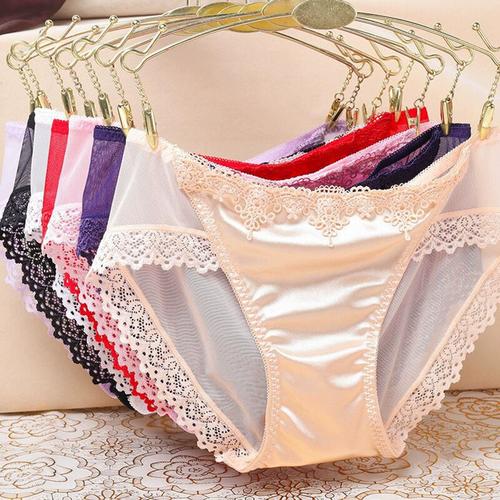
Women’s Underwear
Women’s products may include:
- Briefs
- Bikinis
- Hipsters
- High-waist styles
- Seamless underwear
Fit and fabric quality are especially important in this category.
Performance Underwear
Performance-oriented products continue to gain popularity among active consumers.
Features may include:
- Moisture-wicking materials
- Breathable panels
- Four-way stretch
- Compression support
Sustainable Underwear
Many consumers now prioritize sustainability when making purchasing decisions.
OEM manufacturers increasingly support collections featuring:
- Organic cotton
- Bamboo fabrics
- Recycled materials
- Eco-friendly packaging
Quality Control in OEM Manufacturing
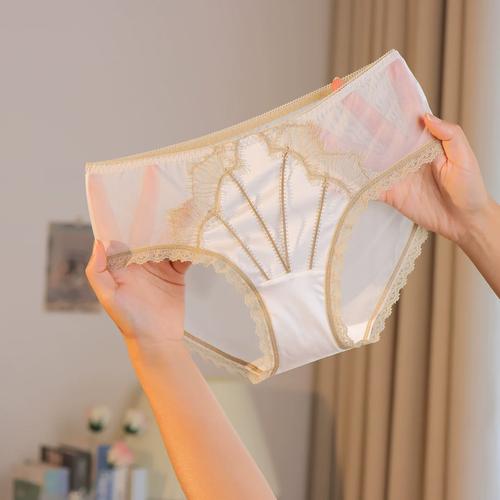
Quality assurance is essential for maintaining product consistency and customer satisfaction.
Reliable manufacturers implement multiple inspection stages.
Material Inspection
Raw materials are evaluated before production begins.
In-Process Quality Checks
Garments are inspected throughout manufacturing.
Final Product Inspection
Finished products undergo comprehensive reviews before shipment.
Strong quality control systems help reduce defects and protect brand reputation.
OEM Manufacturing vs. Private Label Manufacturing
Although the terms are sometimes used interchangeably, OEM and private label manufacturing differ in several ways.
OEM Manufacturing
OEM production focuses on creating custom products according to a brand’s specifications.
Brands maintain significant control over:
- Product design
- Construction
- Materials
- Features
Private Label Manufacturing
Private label production often involves customizing existing product templates with branding elements.
OEM manufacturing generally offers greater flexibility and product differentiation.
How to Choose an OEM Underwear Manufacturer
Selecting the right manufacturing partner is critical for long-term success.
When evaluating suppliers, consider:
Manufacturing Experience
Choose a factory with proven expertise in underwear production.
Product Development Capabilities
Look for services such as:
- Pattern making
- Sampling
- Fabric sourcing
- Technical support
Scalability
Your manufacturer should be able to support larger production volumes as your business grows.
Quality Assurance
Reliable inspection procedures help ensure consistent product quality.
Communication
Clear communication contributes to smoother production and stronger partnerships.
Why OEM Manufacturing Supports Long-Term Growth
Many successful underwear brands began with custom product development.
OEM manufacturing allows businesses to:
- Build unique collections
- Improve product quality
- Strengthen customer loyalty
- Expand into new markets
- Increase profitability
As competition continues to increase, product differentiation becomes even more important.
Brands that invest in custom manufacturing often gain a stronger position within the marketplace.
Final Thoughts
OEM underwear manufacturing provides brands with the flexibility, control, and scalability needed to build successful product lines. From concept development and fabric sourcing to sampling and mass production, OEM manufacturing enables businesses to create products that reflect their unique vision and customer needs.
At Monsoon Apparel, we provide comprehensive OEM underwear manufacturing services, including product development, pattern making, sampling, fabric sourcing, private label solutions, and scalable production support. Our experienced team works closely with brands worldwide to create premium underwear collections that combine comfort, quality, innovation, and long-term market potential.