
The global infant apparel industry continues to grow as parents prioritize quality, comfort, and safety when purchasing clothing for their babies. From newborn essentials to seasonal collections, infant clothing remains one of the most resilient segments within the apparel market.
As competition increases, brands must focus not only on design and marketing but also on selecting the right infant clothing manufacturer. The manufacturing partner you choose plays a critical role in determining product quality, production efficiency, customer satisfaction, and long-term business success.
Whether you are launching a new infant clothing brand, expanding an existing product line, or sourcing products for retail distribution, understanding what makes a reliable infant clothing manufacturer can help you make informed decisions.
This guide explores the key factors that brands should consider when evaluating manufacturing partners and explains why choosing the right supplier is essential for sustainable growth.
Understanding the Infant Clothing Market
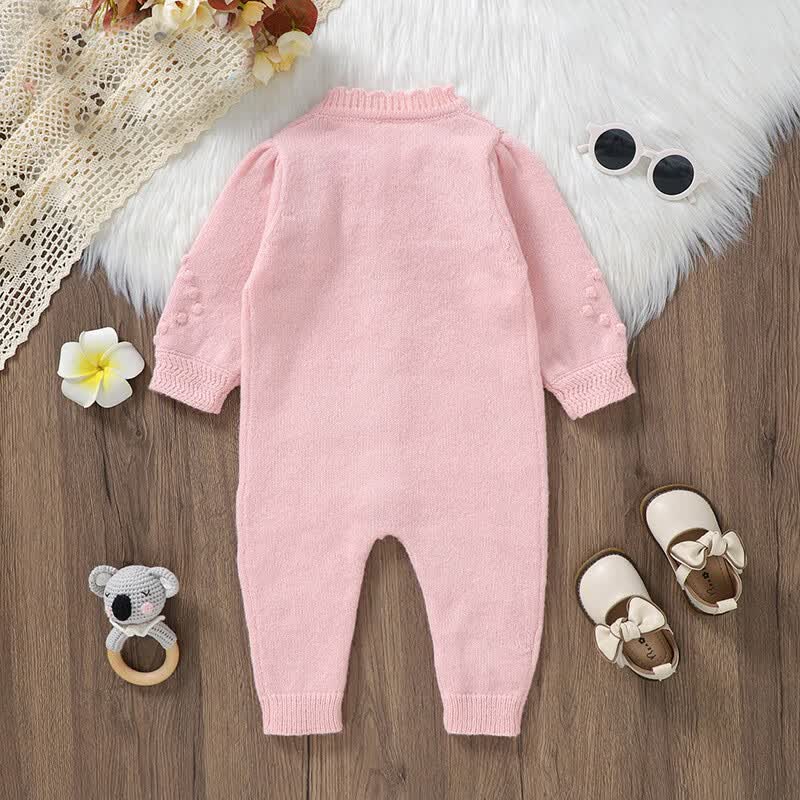
Infant clothing refers to apparel designed specifically for babies and young children during their earliest stages of development.
Unlike adult apparel, infant clothing must meet unique requirements related to:
- Comfort
- Safety
- Durability
- Ease of use
- Fabric quality
- Skin sensitivity
Parents expect products that provide both functionality and style while ensuring their baby’s comfort throughout the day.
As consumer expectations continue to evolve, manufacturers must adapt by offering higher-quality materials, better production standards, and more sustainable solutions.
Why Choosing the Right Infant Clothing Manufacturer Matters
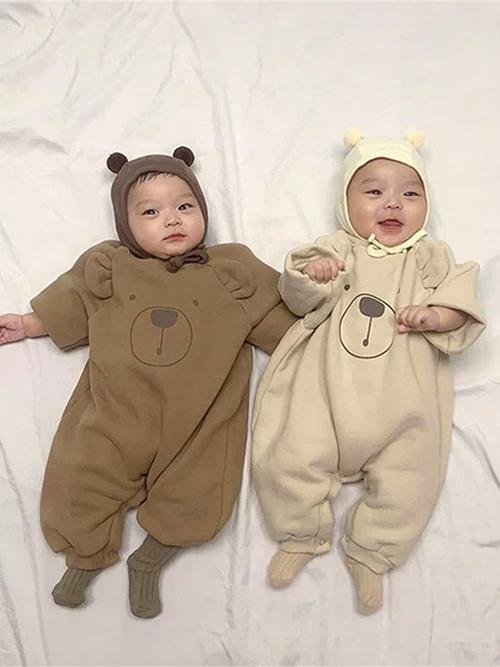
Many brands focus heavily on product design while underestimating the importance of manufacturing.
In reality, even the most creative designs can fail if production quality is inconsistent.
A reliable infant clothing manufacturer can help brands:
- Maintain consistent quality
- Improve product reliability
- Reduce production delays
- Ensure compliance with safety standards
- Support business growth
The right manufacturing partner becomes an extension of your brand and contributes directly to customer satisfaction.
Essential Products Manufactured for Infant Brands
Most infant apparel collections include a variety of core products designed for different stages of early childhood.
Infant Bodysuits
Bodysuits remain one of the most frequently purchased infant garments.
Parents appreciate their practicality, comfort, and versatility.
Manufacturers often produce bodysuits in various styles, including:
- Short sleeve
- Long sleeve
- Sleeveless
- Envelope neck
- Snap closure designs
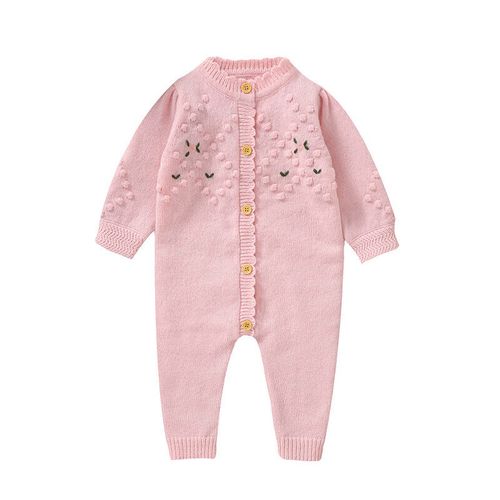
Infant Rompers
Rompers are popular for both daily wear and special occasions.
Custom manufacturing allows brands to incorporate unique prints, colors, and construction details.
Infant Sleepwear
Sleepwear is an essential category within the infant clothing market.
Comfortable fabrics and thoughtful garment construction are particularly important for nighttime wear.
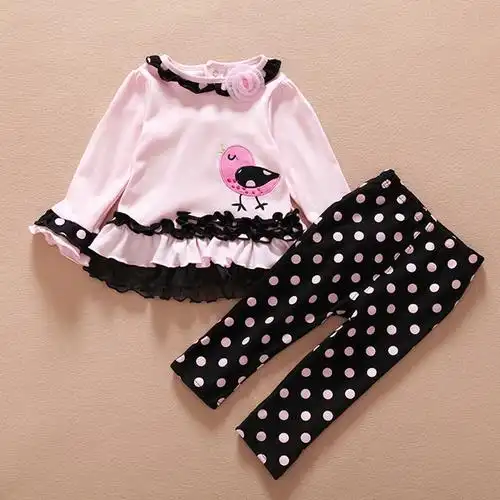
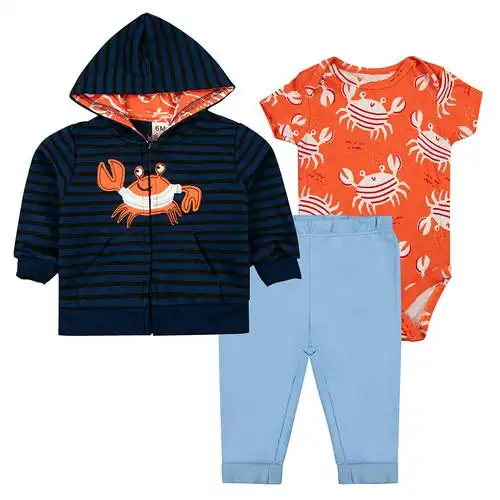
Infant Sets
Matching sets provide convenience for parents and create attractive merchandising opportunities for retailers.
These sets may include:
- Tops
- Bottoms
- Hats
- Bibs
- Accessories
Newborn Essentials
Many infant clothing brands also offer newborn collections that include:
- Swaddles
- Blankets
- Mittens
- Hats
- First outfits
These products are frequently purchased as gifts and can contribute significantly to overall sales.
Fabric Selection in Infant Clothing Manufacturing
Fabric quality is one of the most important factors influencing customer satisfaction.
Because infants have delicate skin, manufacturers must prioritize soft and breathable materials.
Organic Cotton
Organic cotton remains one of the most popular fabric choices for infant apparel.
Benefits include:
- Softness
- Breathability
- Comfort
- Natural feel
Many parents actively seek organic cotton products when shopping for infant clothing.
Bamboo Fabrics
Bamboo blends have become increasingly popular due to their luxurious texture and moisture-management properties.
Cotton Blends
High-quality cotton blends can provide additional durability while maintaining comfort.
Manufacturers that offer a wide range of fabric options allow brands to create diverse collections tailored to different customer preferences.
Product Development Services
The best infant clothing manufacturers provide more than production alone.
Comprehensive development support can simplify the entire product creation process.
Technical Pack Development
Tech packs help communicate design specifications clearly and accurately.
Pattern Making
Professional pattern development ensures proper fit and consistency across all garment sizes.
Sample Development
Sampling allows brands to review products before moving into mass production.
This stage helps identify opportunities for improvement and reduces production risks.
Fabric Sourcing
Manufacturers with established supplier networks can help brands identify suitable materials that align with product goals and budgets.
These services streamline product development and improve production efficiency.
Quality Control in Infant Clothing Manufacturing
Quality control is particularly important when producing infant apparel.
Consumers expect products that meet high standards for both comfort and durability.
Professional manufacturers typically implement multiple inspection stages.
Material Inspection
Raw materials are evaluated before production begins.
In-Line Production Checks
Garments are inspected throughout the manufacturing process.
Final Inspection
Finished products undergo comprehensive reviews before packaging and shipment.
Strong quality assurance systems help reduce defects and improve customer confidence.
Why Low MOQ Manufacturing Benefits Infant Clothing Brands
Many emerging brands face challenges related to inventory investment.
Manufacturers offering low minimum order quantities provide significant advantages.
Benefits include:
- Lower startup costs
- Reduced inventory risk
- Faster product testing
- Greater flexibility
- Improved cash flow management
Low MOQ production allows brands to validate product ideas before committing to larger production runs.
This flexibility is particularly valuable for startups and growing businesses.
Sustainability and the Future of Infant Apparel
Consumer interest in sustainable products continues to increase.
Many parents now consider environmental responsibility when purchasing infant clothing.
Forward-thinking manufacturers are responding by offering:
- Organic cotton
- Sustainable textiles
- Responsible sourcing practices
- Waste reduction initiatives
- Eco-friendly packaging solutions
Brands that embrace sustainability can strengthen customer trust and position themselves for future growth.
How to Choose an Infant Clothing Manufacturer
When evaluating manufacturing partners, consider the following factors:
Industry Experience
Choose a manufacturer with proven expertise in infant apparel production.
Development Capabilities
Look for support with:
- Tech packs
- Pattern making
- Sampling
- Fabric sourcing
Quality Assurance
Reliable quality control systems are essential for maintaining consistency.
Production Flexibility
Low MOQ options can be especially valuable for new brands.
Communication
Clear and responsive communication contributes to successful long-term partnerships.
Final Thoughts
Selecting the right infant clothing manufacturer is one of the most important decisions a babywear brand can make. The ideal partner should provide quality production, flexible manufacturing solutions, reliable communication, and comprehensive development support.
As the infant apparel market continues to evolve, brands that work with experienced manufacturers are better positioned to deliver high-quality products, satisfy customer expectations, and achieve sustainable growth.
At Monsoon Apparel, we support infant clothing brands through custom manufacturing, private label services, fabric sourcing, pattern development, sampling, and scalable production solutions. Our goal is to help brands create premium infant apparel collections that combine comfort, quality, and market appeal.