The global baby apparel market continues to expand as parents seek products that combine comfort, safety, functionality, and style. For brands looking to create unique babywear collections, OEM manufacturing has become one of the most effective ways to develop high-quality products while maintaining full control over design and branding.
Whether you are launching a new baby clothing business, expanding an existing collection, or sourcing products for retail distribution, partnering with an experienced OEM baby clothing manufacturer can help transform your ideas into commercially successful products.
From design development and fabric sourcing to sampling and large-scale production, OEM manufacturing provides brands with the flexibility needed to create distinctive babywear collections that stand out in a competitive marketplace.
In this guide, we’ll explore how OEM baby clothing manufacturing works, the benefits it offers, and what to consider when selecting a manufacturing partner.
What Is OEM Baby Clothing Manufacturing?
OEM stands for Original Equipment Manufacturing.
In the apparel industry, OEM manufacturing refers to producing garments according to a client’s unique specifications and designs.
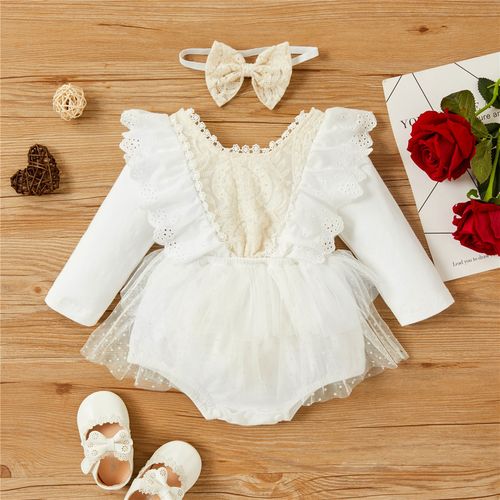
Unlike ready-made wholesale products, OEM manufacturing allows brands to customize every aspect of a garment, including:
- Design details
- Fabric selection
- Colors and prints
- Sizing specifications
- Labels and branding
- Packaging
- Construction methods
The finished products are manufactured exclusively for the brand and sold under its own name.
This approach enables businesses to create unique collections that reflect their brand identity and target market.
Why Brands Choose OEM Baby Clothing Manufacturing
As competition in the babywear market increases, differentiation has become more important than ever.
OEM manufacturing provides brands with several strategic advantages.
Complete Product Customization
One of the biggest benefits of OEM production is the ability to develop entirely custom products.
Brands can control:
- Product appearance
- Material quality
- Functional features
- Packaging design
- Customer experience
This level of customization helps create stronger brand recognition and customer loyalty.
Higher Product Value
Custom-designed products often command higher perceived value than generic alternatives.
Unique collections can help brands:
- Increase profit margins
- Strengthen market positioning
- Reduce direct competition
- Build a premium image
Greater Control Over Quality
OEM manufacturing allows businesses to define quality standards from the beginning of the development process.
By working closely with an experienced manufacturer, brands can establish detailed specifications and ensure consistent production results.
The OEM Baby Clothing Development Process
Successful OEM manufacturing involves several important stages.
Understanding each step can help brands navigate the production journey more effectively.
Step 1: Product Concept Development
The process begins with defining the product vision.
Key considerations include:
- Target customers
- Product categories
- Design direction
- Fabric preferences
- Pricing strategy
A clear product concept helps guide every stage of development.
Step 2: Technical Pack Creation
A tech pack serves as the blueprint for manufacturing.
It typically contains:
- Garment measurements
- Construction details
- Fabric specifications
- Artwork references
- Label placement
- Packaging instructions
Accurate tech packs help minimize production errors and improve communication between brands and manufacturers.
Step 3: Fabric Sourcing
Fabric selection is particularly important in babywear manufacturing because comfort and safety are top priorities.
Common materials include:
Organic Cotton
Organic cotton remains one of the most popular options for baby clothing due to its softness and breathability.
Bamboo Fabric
Bamboo blends provide a luxurious feel and excellent moisture-management characteristics.
Cotton Blends
High-quality cotton blends can offer durability while maintaining comfort.
Manufacturers with strong sourcing capabilities can help identify fabrics that align with product goals and customer expectations.
Step 4: Pattern Making
Pattern development transforms design concepts into production-ready garments.
Professional pattern makers ensure:
- Accurate sizing
- Consistent fit
- Efficient production
- Improved comfort
Well-developed patterns are essential for maintaining quality throughout manufacturing.
Step 5: Sample Development
Sampling allows brands to evaluate products before mass production begins.
Sample reviews typically focus on:
- Fit
- Fabric quality
- Construction
- Appearance
- Functionality
This stage provides an opportunity to make adjustments and refine the final product.
Step 6: Bulk Production
Once samples are approved, manufacturing moves into full-scale production.
Experienced factories implement quality control systems throughout production to maintain consistency and reduce defects.
Popular OEM Baby Clothing Products
OEM manufacturers often produce a wide variety of babywear products.
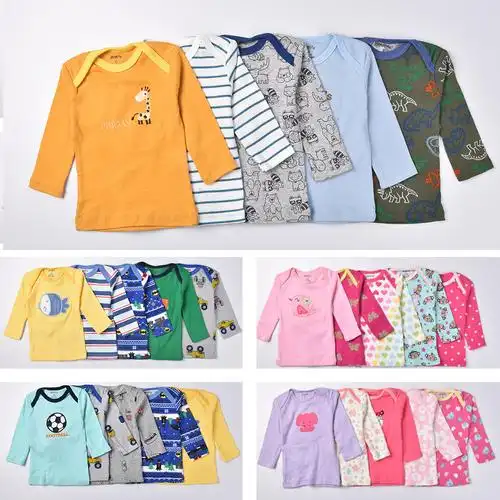
Baby Bodysuits
Bodysuits remain one of the most popular products in the infant apparel market.
Custom features may include:
- Printed graphics
- Embroidery
- Specialty fabrics
- Unique closures
Baby Rompers
Rompers provide versatility and comfort while offering opportunities for creative design.
Baby Sleepwear
Parents prioritize comfort and quality when purchasing sleepwear.
OEM manufacturing allows brands to create products tailored to specific customer preferences.
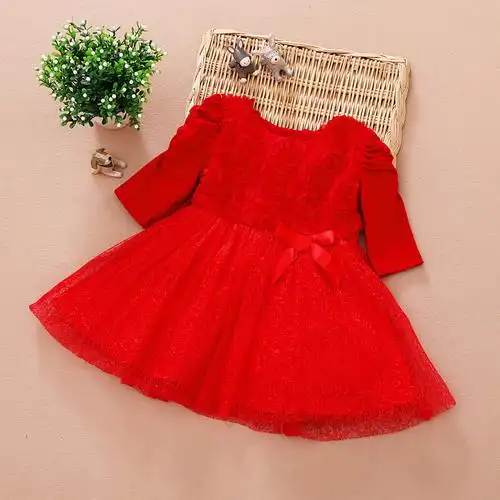
Baby Dresses and Outfits
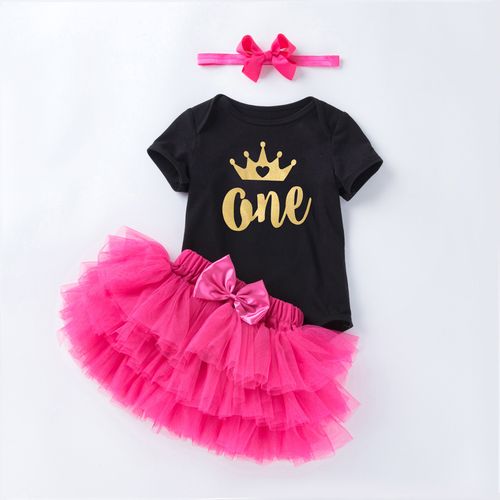
Fashion-focused collections often include custom dresses and coordinated outfits designed for seasonal and special occasion use.
Newborn Essentials
Many brands develop complete newborn collections featuring:
- Hats
- Bibs
- Swaddles
- Mittens
- Blankets
- Matching sets
These products are often popular gift purchases and can help increase overall collection value.
The Importance of Quality Control
Quality assurance plays a critical role in baby clothing manufacturing.
Infant apparel must meet strict expectations regarding comfort, durability, and construction.
Reliable manufacturers typically perform inspections at multiple stages of production.
Material Inspection
Raw materials are evaluated before production begins.
In-Process Inspection
Production teams monitor garment construction throughout manufacturing.
Final Product Inspection
Finished products undergo detailed reviews before packaging and shipment.
Strong quality control procedures help protect brand reputation and improve customer satisfaction.
OEM Manufacturing and Brand Growth
Many successful babywear brands use OEM manufacturing as a foundation for long-term growth.
OEM production enables businesses to:
- Launch exclusive collections
- Respond to market trends
- Maintain consistent quality
- Expand product categories
- Build stronger brand identity
As demand increases, manufacturers can often scale production capacity to support business growth.
This scalability allows brands to focus on sales, marketing, and customer engagement while maintaining efficient production operations.
What to Look for in an OEM Baby Clothing Manufacturer
Choosing the right manufacturing partner is essential for success.
When evaluating potential suppliers, consider the following factors.
Babywear Expertise
Manufacturers with infant apparel experience understand the unique requirements of baby clothing production.
Product Development Services
Comprehensive support may include:
- Tech packs
- Pattern making
- Sampling
- Fabric sourcing
Flexible Production Options
Manufacturers that offer flexible MOQs can better support startups and growing brands.
Sustainable Material Options
Many consumers now prioritize environmentally responsible products.
Manufacturers that offer organic cotton, bamboo fabrics, and sustainable sourcing solutions can help brands meet evolving market demands.
Communication and Transparency
Successful manufacturing partnerships depend on clear communication, realistic timelines, and transparent processes.
Why OEM Manufacturing Is the Future of Babywear
Consumer expectations continue to evolve.
Parents increasingly seek products that are:
- High quality
- Safe
- Comfortable
- Sustainable
- Unique
OEM manufacturing gives brands the ability to create products that align with these expectations while maintaining full control over their brand identity.
As competition increases, businesses that invest in custom product development are often better positioned to differentiate themselves and build lasting customer relationships.
Final Thoughts
OEM baby clothing manufacturing offers brands a powerful way to create unique products, strengthen market positioning, and build long-term business success. From concept development and fabric sourcing to sampling and mass production, the right manufacturing partner can simplify the entire process and help transform ideas into premium-quality babywear collections.
At Monsoon Apparel, we provide comprehensive OEM baby clothing manufacturing services, including product development, pattern making, sampling, fabric sourcing, private labeling, and scalable production support. Our team works closely with brands around the world to create high-quality babywear collections that meet modern consumer expectations and support sustainable business growth.