One of the most important decisions apparel entrepreneurs face is choosing the right production model for their business. Whether you are launching a new clothing brand, expanding an existing collection, or entering the apparel market for the first time, your manufacturing strategy will directly influence product quality, brand identity, profit margins, and long-term growth.
When researching sweatshirt manufacturers, businesses typically encounter two common options: private label manufacturing and wholesale manufacturing. While both approaches can help companies bring products to market, they serve different purposes and offer distinct advantages.
Understanding the differences between private label and wholesale sweatshirt manufacturers can help you select the solution that best aligns with your business goals.
Understanding Wholesale Sweatshirt Manufacturing
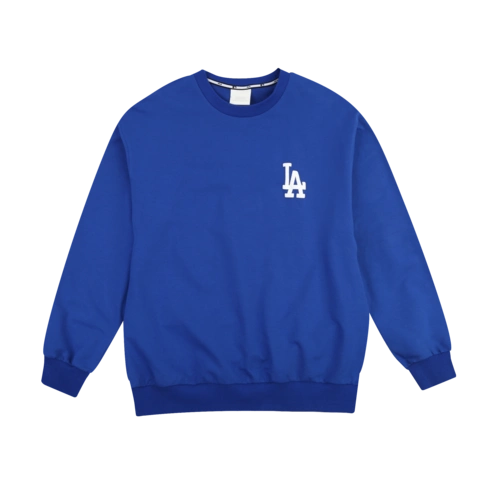
Wholesale manufacturing is one of the most common sourcing models in the apparel industry.
Under this approach, manufacturers produce standard sweatshirt designs in large quantities and sell them to retailers, distributors, and businesses. Buyers purchase pre-made garments and resell them under limited customization options.
Wholesale sweatshirts are often available in:
- Standard colors
- Generic sizing
- Basic fabric options
- Ready-made designs
This model is particularly attractive for businesses seeking quick market entry and lower upfront investment.
Benefits of Wholesale Sweatshirt Manufacturers
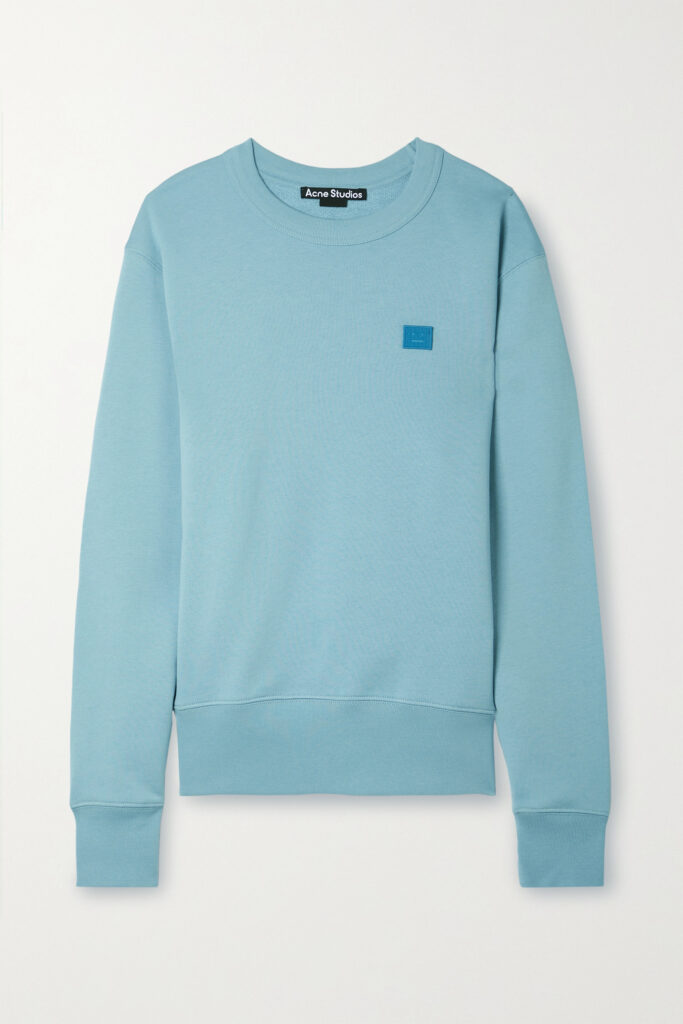
Wholesale sourcing offers several advantages, especially for new businesses.
Faster Product Availability
Because products are already manufactured, businesses can purchase inventory and begin selling almost immediately.
This reduces the time required for:
- Product development
- Sampling
- Production planning
- Manufacturing lead times
For companies that need products quickly, wholesale options can be highly convenient.
Lower Initial Investment
Wholesale suppliers often allow buyers to purchase smaller quantities without the development costs associated with custom manufacturing.
This can make wholesale sourcing appealing for:
- Small retailers
- Promotional product businesses
- Event merchandise suppliers
- First-time entrepreneurs
Simplified Ordering Process
Since the products already exist, buyers can focus primarily on inventory selection and sales rather than managing complex production processes.
Limitations of Wholesale Sweatshirts
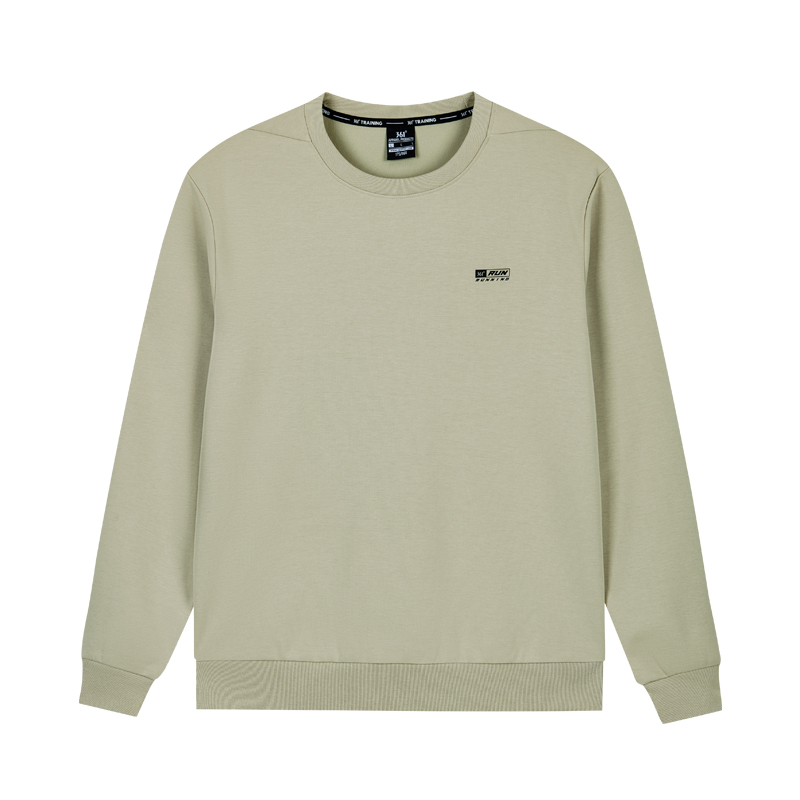
Despite their convenience, wholesale products have several limitations.
Limited Brand Differentiation
One of the biggest challenges with wholesale apparel is the lack of uniqueness.
Many businesses may sell identical or nearly identical products, making it difficult to stand out in the marketplace.
Restricted Customization
Customization options are often limited to:
- Basic printing
- Logo application
- Simple branding additions
Fabric, fit, construction, and garment details typically cannot be modified significantly.
Increased Competition
Because wholesale products are widely available, businesses may compete directly with numerous sellers offering similar items.
This often creates pricing pressure and reduces opportunities for premium positioning.
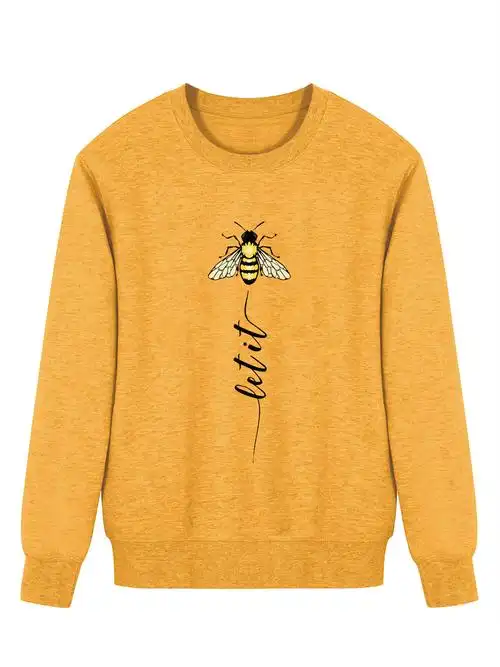
Understanding Private Label Sweatshirt Manufacturing
Private label manufacturing takes a different approach.
Instead of purchasing existing products, brands work directly with manufacturers to create customized sweatshirts that are sold exclusively under their own brand name.
Private label sweatshirt manufacturers typically support:
- Custom designs
- Fabric selection
- Private labeling
- Custom sizing
- Specialized printing
- Embroidery
- Packaging customization
This model provides significantly greater control over the final product.
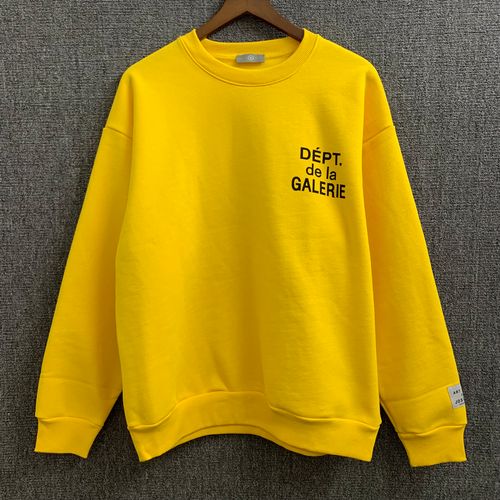
Benefits of Private Label Sweatshirt Manufacturers
Strong Brand Identity
One of the primary reasons brands choose private label manufacturing is the ability to create unique products.
Every element can be customized, including:
- Fabric composition
- Garment fit
- Colors
- Labels
- Packaging
- Branding details
This allows businesses to build a recognizable identity and strengthen customer loyalty.
Greater Product Control
Private label manufacturing gives brands direct influence over product specifications.
Businesses can ensure their sweatshirts align with their quality standards and target market expectations.
Higher Perceived Value
Custom products often command higher retail prices because consumers perceive them as unique and exclusive.
This can support stronger profit margins compared to selling generic wholesale products.
Long-Term Growth Opportunities
Private label products help brands establish ownership over their collections rather than relying on items that competitors can easily access.
This creates a stronger foundation for sustainable growth.
Comparing Wholesale and Private Label Manufacturing
Product Uniqueness
Wholesale manufacturing offers limited uniqueness because many buyers access the same products.
Private label manufacturing enables complete customization and exclusive product development.
Speed to Market
Wholesale products generally reach the market faster because production has already been completed.
Private label projects require additional time for:
- Design development
- Sampling
- Material sourcing
- Production
However, the result is a more differentiated product.
Investment Requirements
Wholesale purchasing often requires lower initial investment.
Private label manufacturing may involve additional costs associated with:
- Product development
- Sampling
- Branding
- Customization
Although the investment is higher, it often supports stronger long-term brand value.
Profit Potential
Private label products frequently achieve higher profit margins due to their exclusivity and perceived quality.
Wholesale products may face greater pricing competition because similar items are available from multiple sellers.
Which Model Is Right for Startups?
The answer depends on your business objectives.
Wholesale manufacturing may be suitable if your priorities include:
- Fast product launches
- Lower startup costs
- Limited inventory risk
- Testing market demand
Private label manufacturing may be a better fit if your goals include:
- Building a unique brand
- Creating exclusive products
- Developing customer loyalty
- Establishing long-term market differentiation
Many successful apparel companies eventually transition from wholesale products to private label manufacturing as their businesses grow.
Why More Modern Brands Are Choosing Private Label Manufacturing
The rise of e-commerce and social media has changed consumer expectations.
Customers increasingly seek:
- Original designs
- Authentic brand stories
- Premium quality
- Unique shopping experiences
Private label manufacturing enables brands to meet these expectations more effectively than wholesale sourcing.
As competition continues to increase, product differentiation has become a critical factor in long-term success.
Key Questions to Ask Sweatshirt Manufacturers
Before selecting a manufacturing partner, consider asking:
- What customization options are available?
- What are the minimum order quantities?
- Can you provide product samples?
- What quality control systems do you use?
- What is the typical production timeline?
- Do you offer private labeling services?
- Can production scale as demand grows?
- What fabric options are available?
The answers can help determine whether a manufacturer aligns with your business goals.
Why Brands Choose Monsoon Apparel
Many apparel businesses seek a manufacturing partner that combines flexibility, quality, and customization. Monsoon Apparel specializes in helping brands develop unique apparel collections through comprehensive private label manufacturing solutions.
Services include fabric sourcing, product development, custom printing, embroidery, private labeling, packaging customization, quality assurance, and bulk production. By supporting both emerging and established brands, Monsoon Apparel helps businesses create sweatshirt collections that reflect their identity while maintaining consistent quality standards.
Whether you are launching your first collection or scaling an existing brand, working with an experienced manufacturing partner can simplify the production process and support long-term growth.
Conclusion
Both wholesale and private label sweatshirt manufacturers offer valuable opportunities, but they serve different business needs.
Wholesale sourcing provides speed, convenience, and lower upfront investment, making it suitable for businesses seeking quick market entry. Private label manufacturing offers greater customization, stronger brand differentiation, and higher long-term growth potential.
For brands focused on building a recognizable identity and creating unique products, private label manufacturing often delivers the greatest strategic advantage. By choosing the right manufacturing model and partnering with an experienced sweatshirt manufacturer, businesses can position themselves for sustainable success in the highly competitive apparel industry.