For any clothing brand looking to produce high-quality outerwear, understanding the custom jacket manufacturing process is essential. Working with a professional jacket manufacturer is not just about placing an order—it’s about collaborating through a structured process that turns your ideas into finished products.
In this guide, we break down each stage of jacket production so you can better manage your project, avoid common mistakes, and ensure the final result meets your expectations.
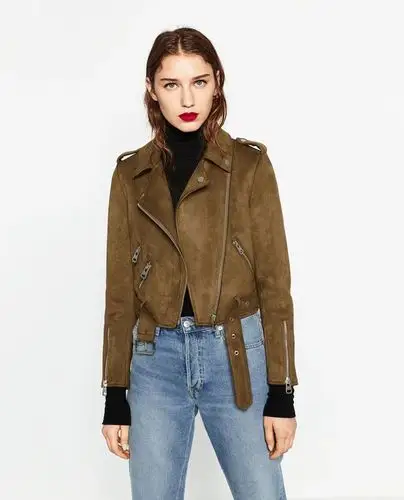
Step 1: Design Concept and Product Planning
Every successful jacket begins with a strong concept. This stage defines the overall direction of your product, including its style, function, and target audience.
You should consider:
- What type of jacket you want to produce (puffer, bomber, parka, windbreaker, etc.)
- Your target market (streetwear, outdoor, casual, premium)
- Seasonal requirements (lightweight vs. winter jackets)
At this point, you may create sketches, mood boards, or reference images. A professional jacket manufacturer can also provide feedback to improve your design and make it production-ready.
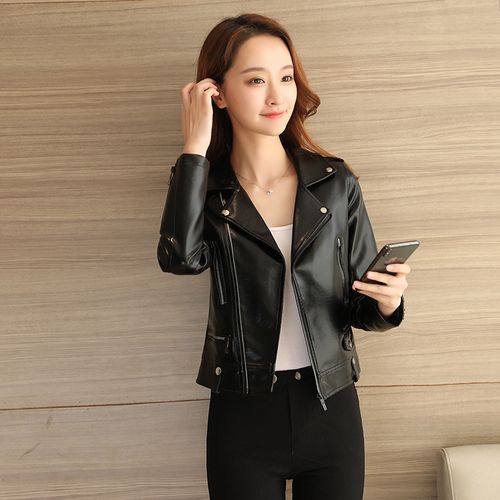
Step 2: Creating a Technical Package (Tech Pack)
A tech pack is one of the most important documents in the manufacturing process. It acts as a detailed instruction manual for your jacket manufacturer.
A complete tech pack typically includes:
- Flat sketches and construction details
- Measurement specifications for each size
- Fabric and material descriptions
- Color codes and artwork placement
- Trim details (zippers, buttons, drawstrings, labels)
The more detailed your tech pack is, the fewer misunderstandings will occur during production. Clear documentation ensures accuracy and consistency.
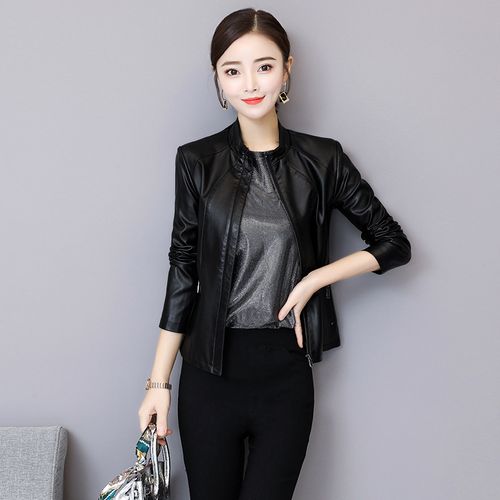
Step 3: Fabric and Material Sourcing
Once the tech pack is approved, the manufacturer begins sourcing materials. This step has a major impact on the final product’s quality, performance, and cost.
Common materials used in jacket manufacturing include:
- Polyester and nylon for durability
- Cotton blends for comfort
- Down or synthetic insulation for warmth
- Waterproof and windproof fabrics for functionality
An experienced jacket manufacturer will have reliable suppliers and can recommend materials based on your budget and product requirements.
Step 4: Sample Development
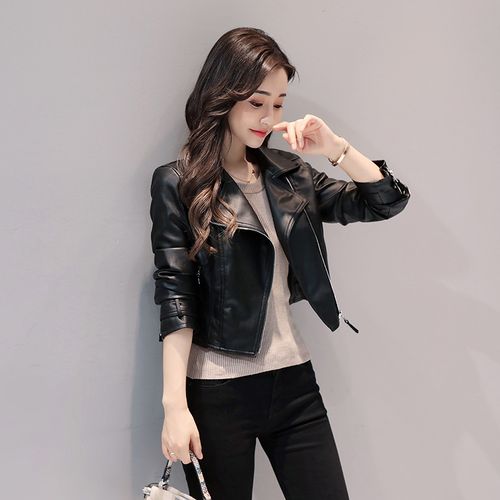
Sampling is a critical stage where your design becomes a physical product. The manufacturer produces a prototype based on your tech pack and selected materials.
During sample evaluation, you should check:
- Fit and sizing accuracy
- Fabric texture and performance
- Stitching and construction quality
- Overall appearance and details
It’s normal to request revisions and go through multiple sample rounds. This step ensures that your final product matches your vision before moving to bulk production.
Step 5: Pattern Making and Size Grading
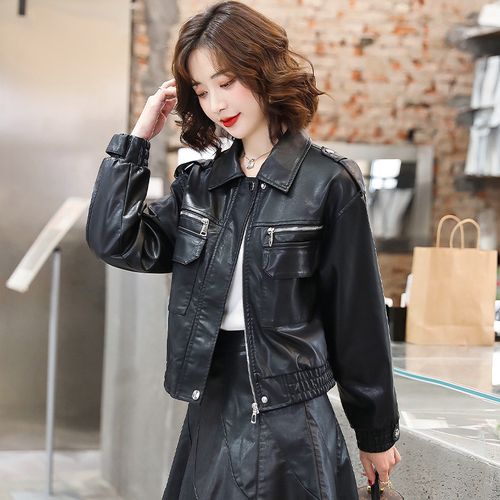
After sample approval, the manufacturer creates production patterns. Patterns are templates used to cut fabric pieces accurately.
Size grading is then applied to create different sizes (S, M, L, XL, etc.) while maintaining proper proportions. Precision at this stage is crucial to ensure consistent fit across all sizes.
A skilled jacket manufacturer will use advanced pattern-making techniques to reduce errors and improve efficiency.
Step 6: Bulk Production
Once everything is finalized, bulk production begins. This is where your jackets are produced in larger quantities.
The production process typically includes:
- Fabric cutting
- Sewing and assembly
- Adding trims and accessories
- Finishing processes such as ironing and cleaning
A professional manufacturer will have an organized production line to maintain efficiency and consistency. This helps ensure that every jacket meets your quality standards.
Step 7: Quality Control and Inspection
Quality control is essential in jacket manufacturing. Reliable manufacturers conduct inspections throughout the production process, as well as a final check before shipment.
Quality control includes:
- Checking measurements and sizing
- Inspecting stitching and seams
- Identifying fabric defects
- Ensuring color consistency
Strict quality control reduces the risk of defective products and protects your brand reputation.
Step 8: Packaging and Shipping
After passing inspection, the jackets are packaged according to your requirements. This may include custom branding, labels, and protective packaging.
Shipping options typically include:
- Air freight for faster delivery
- Sea freight for cost efficiency
- Land transport for regional shipments
Your jacket manufacturer may assist with logistics and documentation to ensure a smooth delivery process.
Common Mistakes to Avoid
Even with a clear process, mistakes can happen. Here are some common issues and how to avoid them:
- Incomplete tech packs → Provide detailed and accurate information
- Rushing the sampling stage → Take time to review and refine samples
- Poor communication → Maintain regular contact with your manufacturer
- Ignoring quality control → Always verify products before shipment
Avoiding these mistakes can save time, reduce costs, and improve product quality.
Why This Process Matters for Your Brand
Understanding the custom jacket manufacturing process gives you better control over your production. It allows you to communicate effectively with your manufacturer, make informed decisions, and ensure consistent results.
For growing apparel brands, this knowledge is essential for scaling operations and maintaining high standards.
Final Thoughts
From concept to delivery, every step in jacket manufacturing plays a vital role in the final product. By working closely with a professional jacket manufacturer and following a structured process, you can create high-quality jackets that meet market demand and strengthen your brand.