
For years, independent fashion boutiques have built their businesses by selecting products from established labels, understanding customer preferences, and creating a distinctive shopping experience. But as competition intensifies and customers gain access to the same brands through online channels, many boutique owners are asking a new question: What if we created our own clothing brand?
Launching a private label can offer greater creative control, stronger brand identity, and the opportunity to build long-term customer loyalty. Yet the transition from buyer to brand owner is not simply a matter of adding a logo to a garment. It requires a fundamental transformation of the business’s supply chain DNA.
The skills that make a successful boutique buyer are valuable—but they are only the beginning.
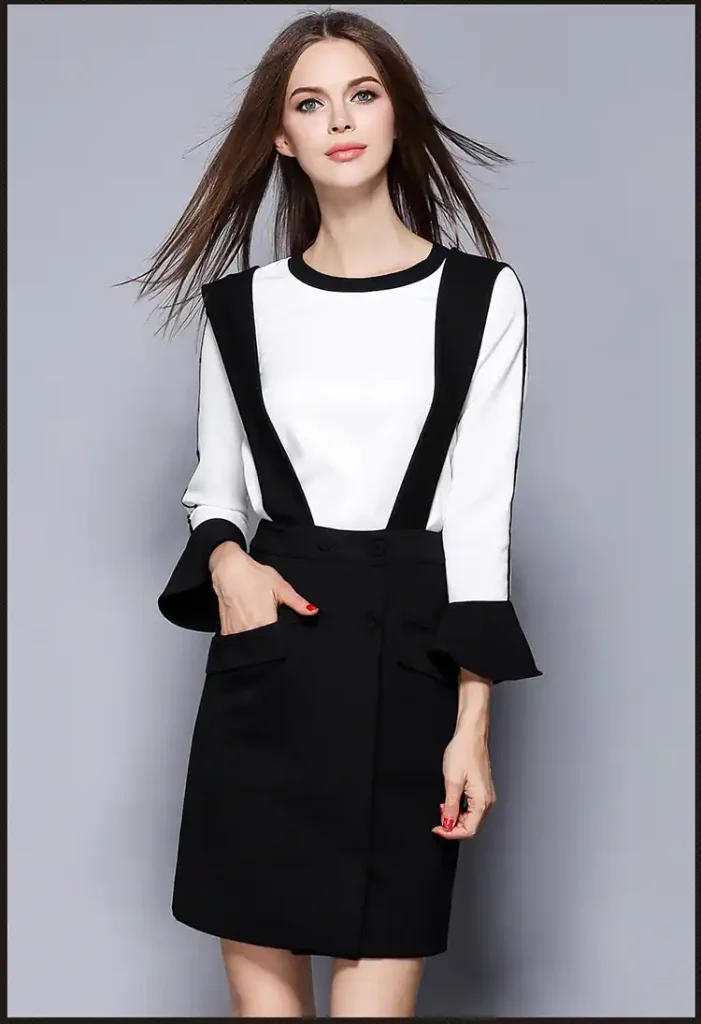
1. From Selecting Products to Developing Products
A boutique buyer typically evaluates finished products based on style, price, quality, and customer appeal. The supplier has already handled fabric sourcing, pattern development, sizing, production, and quality control.
When a boutique develops its own clothing line, those responsibilities move closer to the retailer.
The owner must translate customer insights into product specifications. A favorite oversized shirt, for example, is no longer just an item to purchase. It becomes a product concept that requires decisions about fabric weight, fit, collar construction, button selection, stitching, grading, and finishing.
This shift demands a more structured product development process:
- Define the target customer and product positioning
- Develop a seasonal collection plan
- Create design sketches and technical specifications
- Select fabrics and trims
- Review prototypes and fit samples
- Confirm pricing and production quantities
- Approve pre-production samples before bulk manufacturing
The boutique’s knowledge of what customers love remains a competitive advantage. But that knowledge must now be converted into clear, repeatable product requirements.
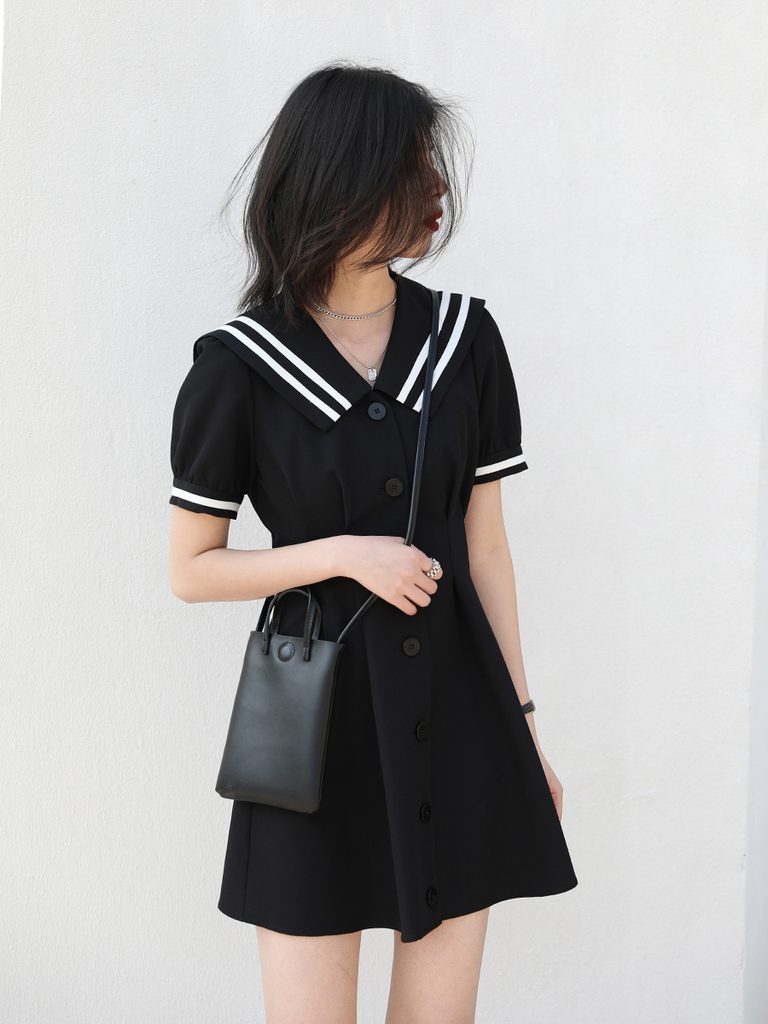
2. Rebuild the Supply Chain Around Your Brand
A traditional boutique supply chain is relatively straightforward: select products, place orders, receive inventory, and sell to customers.
A private label supply chain is more complex. It may involve fabric mills, trim suppliers, garment factories, pattern makers, testing laboratories, logistics providers, and compliance partners.
The brand owner must coordinate these participants and make decisions that affect cost, quality, and delivery.
For small and emerging fashion brands, working with an experienced apparel manufacturer can reduce the learning curve. A capable manufacturing partner may support fabric sourcing, sample development, pattern making, production planning, quality inspection, and packaging.
However, outsourcing production does not mean outsourcing responsibility. The brand still needs to approve product specifications, confirm quality standards, monitor timelines, and maintain communication throughout the process.
The goal is to build a supply chain that reflects the brand’s identity—not simply to find the lowest-cost factory.
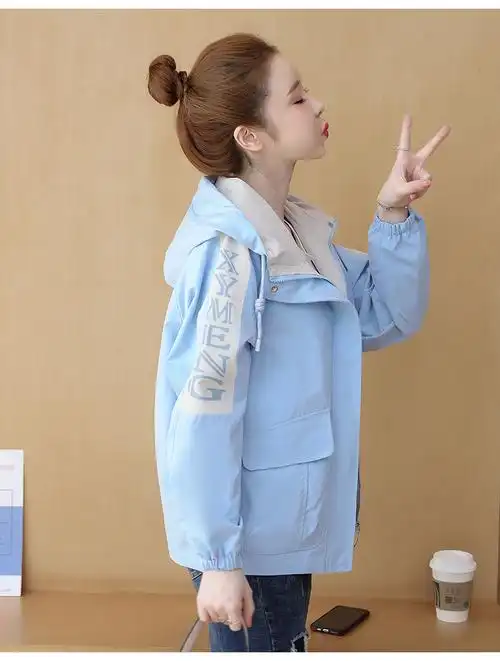
3. Learn the Real Cost of Creating Your Own Clothing
One of the most painful moments for boutique owners is discovering that a product’s manufacturing cost is not the same as its total business cost.
A garment quotation may include fabric, trims, sewing, and basic finishing. But the brand may also need to account for:
- Sample development and pattern fees
- Testing and compliance costs
- Packaging and labeling
- Freight, duties, and insurance
- Quality inspection
- Warehousing and fulfillment
- Returns, defects, and unsold inventory
A low unit price can become expensive if the minimum order quantity is too high, the delivery schedule is unreliable, or the product requires repeated revisions.
Before launching a private label collection, build a realistic landed-cost model. Calculate the expected cost of bringing each product into inventory, then compare it with the planned retail price, sales channel expenses, and margin target.
This exercise may lead to difficult decisions. Some designs may need to be simplified. Some fabrics may need alternatives. Certain products may be better suited for a later collection.
A profitable brand is built through disciplined cost management—not just attractive design.
4. The Minimum Order Quantity Challenge
Boutique owners are accustomed to buying a range of products in relatively small quantities. Apparel factories, however, often operate with minimum order quantities (MOQs) based on fabric availability, production efficiency, and setup costs.
This creates a major challenge for a new brand. A boutique may want to launch ten styles in several colors and sizes, but the required inventory investment can quickly become overwhelming.
A more practical approach is to start with a focused collection.
Choose a small number of products that strongly reflect the brand’s identity. Consider using shared fabrics across multiple styles, limiting color options, and prioritizing products with proven customer demand.
Discuss MOQ flexibility with the manufacturer before finalizing the collection. Some suppliers may offer development options, stock fabrics, or staged production arrangements, depending on their capabilities.
The objective is not to make the first collection look large. It is to make it commercially manageable and strategically clear.
5. Quality Control Becomes Your Brand’s Responsibility
When a boutique sells established brands, customers often associate product quality with the original label. When the boutique launches its own brand, the reputation belongs entirely to the retailer.
A fit problem, fabric defect, inconsistent color, or late delivery can directly affect customer trust.
Quality expectations should therefore be defined before bulk production. This includes approved measurements, fabric standards, construction details, workmanship requirements, and acceptable defect levels.
A practical quality process may include:
- Fabric and trim inspection
- Fit approval during sample development
- Pre-production sample confirmation
- In-line production checks
- Final garment inspection
- Verification of labels and packaging
A strong manufacturer can help establish these checkpoints, but the brand must make sure that the standards are understood and consistently followed.
6. Expect Growing Pains—and Use Them as Data
The first private label collection rarely runs perfectly. Sample revisions may take longer than expected. Fabric availability may change. The initial size range may not match customer demand. Some products may sell out quickly while others remain in stock.
These challenges are not necessarily signs of failure. They are part of building a new operating model.
After each collection, review sales by style, color, and size. Compare forecasted demand with actual performance. Record customer feedback on fit, comfort, fabric, and price. Evaluate production delays and quality issues with the factory.
Use these insights to improve the next order.
The most successful transition is not the one that launches the largest collection. It is the one that builds a repeatable process for learning, adjusting, and growing.
Conclusion: Your Boutique Experience Is the Foundation—not the Whole System
Moving from a multi-brand boutique to an independent fashion label is a major business transformation. It requires a new approach to product development, manufacturing, costing, inventory, and quality management.
But boutique owners already possess something many new fashion entrepreneurs lack: a close understanding of their customers. They know which silhouettes attract attention, which price points convert, and what shoppers return to buy again.
The next step is to combine that retail insight with a disciplined apparel supply chain.
Start with a focused collection, choose a reliable manufacturing partner, define quality and cost expectations, and treat every production cycle as an opportunity to improve. Over time, the boutique can evolve from a place that curates other brands into a brand customers actively seek out.
That is the real transformation: not simply creating new clothing, but building the system that allows your own brand to grow.