
You have a clear design vision, you have found a clothing manufacturer, and you have sent your reference images. Yet when the first garment sample arrives, something feels wrong. The fabric is too thin, the fit is off, the color looks different, or the details do not match your expectations.
For independent fashion designers and emerging clothing brands, this is a frustratingly familiar problem. Repeated sample revisions can increase development costs, delay product launches, and strain relationships with apparel manufacturers.
But a sample that does not match your expectations is not always the result of poor workmanship. Often, the problem begins much earlier: in the communication between the designer and the factory.
Here are five common communication gaps that cause clothing samples to come back wrong—and practical ways to prevent them.
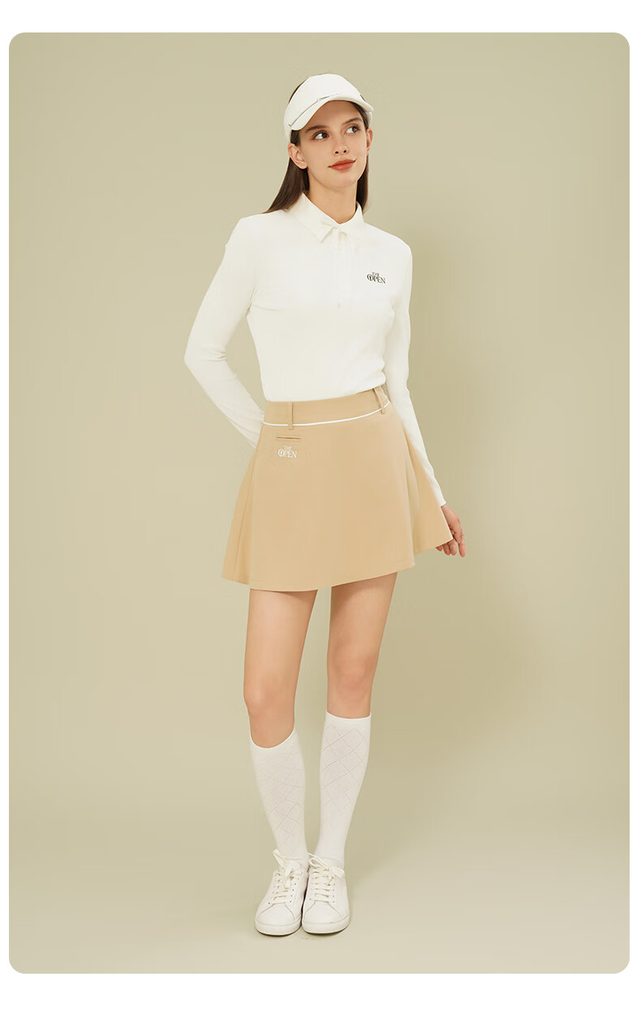
1. Your Design Brief Is Too Visual and Not Technical Enough
A mood board can communicate a brand’s aesthetic, but it cannot replace a detailed garment specification.
Words such as “oversized,” “premium,” “structured,” and “soft” mean different things to different people. A designer may imagine a relaxed silhouette with dropped shoulders, while a pattern maker interprets the same description as a slightly loose regular fit.
The result is a sample that technically follows the brief but still looks completely different from the intended design.
How to fix it: Create a clear fashion tech pack before sampling begins. Include front and back technical drawings, key construction details, fabric composition, fabric weight in GSM where relevant, color references, trims, and a measurement chart.
For example, instead of requesting a “heavyweight cotton T-shirt,” specify the target fabric composition and GSM range, together with the desired fit and measurements for the sample size.
The more measurable your instructions are, the less the factory has to guess.
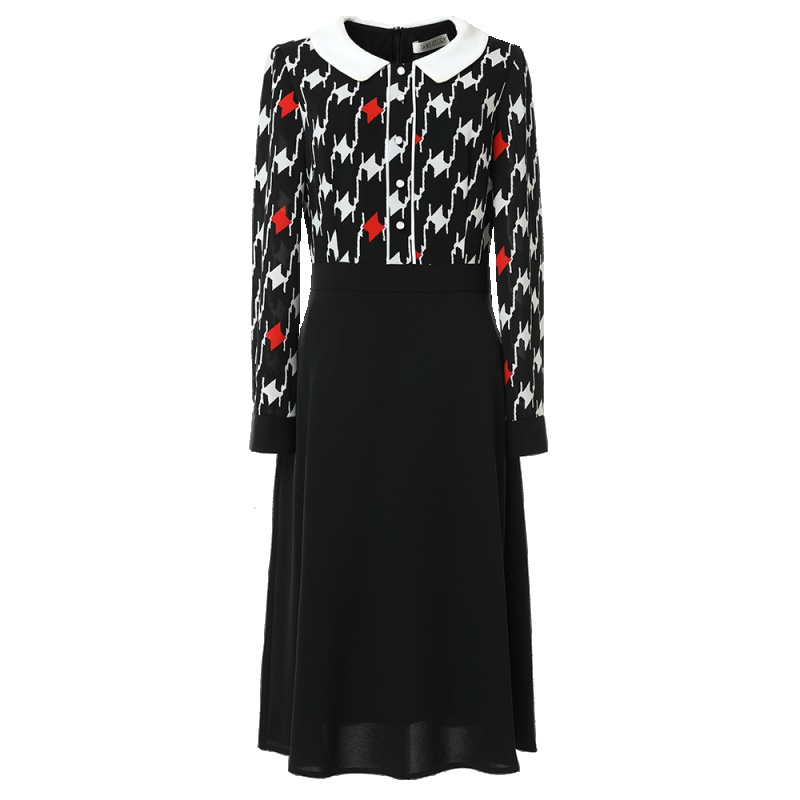
2. Fabric Expectations Are Not Clearly Defined
Fabric is one of the biggest reasons a clothing sample fails to meet expectations. Two materials may look similar in a photograph but behave very differently when made into a garment.
Differences in fabric weight, fiber composition, stretch, drape, surface texture, and finishing can change the entire appearance of a design.
A lightweight polyester blend, for instance, will not necessarily create the same silhouette as a heavier cotton fabric. Similarly, two fabrics with the same fiber composition may have different hand feels and recovery properties.
Simply asking a manufacturer to source something “similar to the reference” leaves too much room for interpretation.
How to fix it: Provide a physical fabric swatch whenever possible. Record the required composition, target weight, stretch characteristics, finish, and color standard in the tech pack.
If the manufacturer proposes an alternative, request details about how the substitute differs from the original. Approve the replacement only after reviewing its suitability for the garment.
For custom colors, use an agreed color standard or physical lab dip approval rather than relying entirely on screen images. Digital displays can show the same color differently, making visual comparisons unreliable.
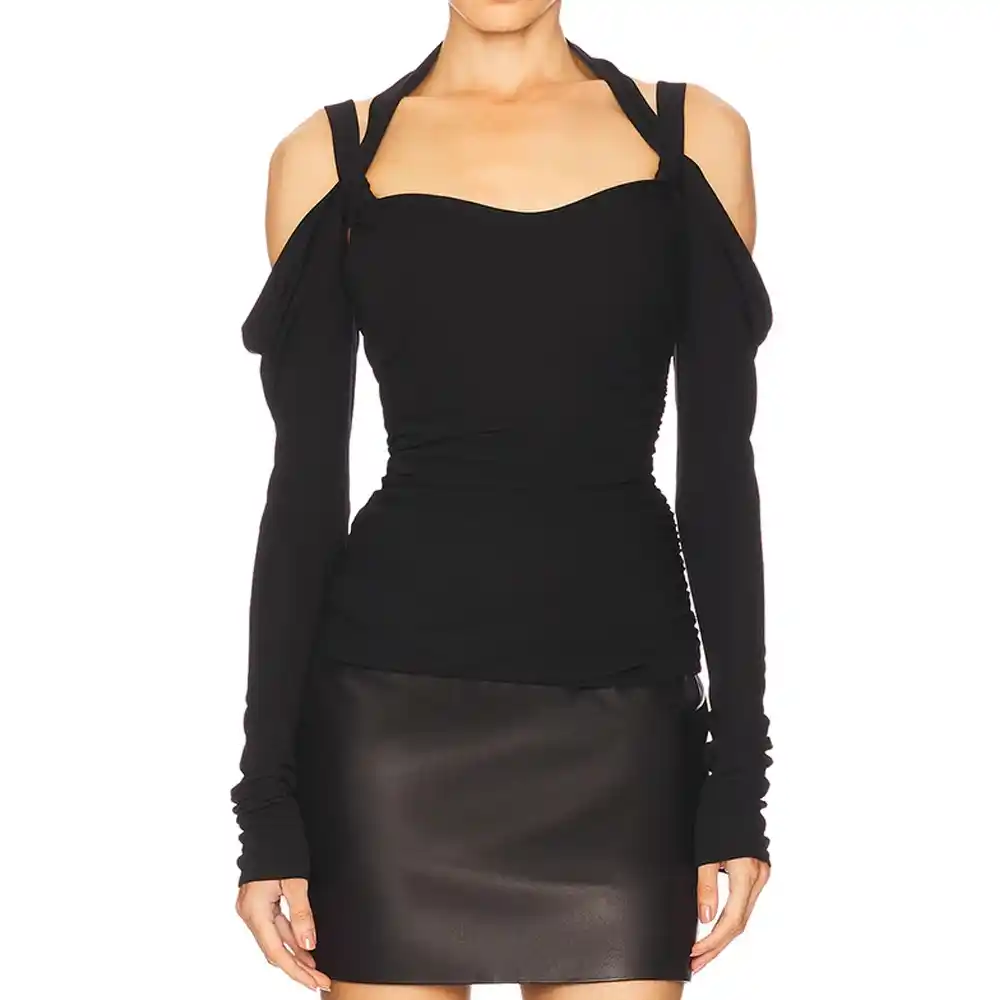
3. Fit Comments Are Subjective Instead of Measurable
Fit is another major source of communication breakdown.
A designer might say, “The sleeves are too short,” or “The body needs to be more relaxed.” These comments explain the problem, but they do not always tell the factory how to correct it.
Should the sleeve length increase by 1 cm or 3 cm? Should the chest width change, or should the shoulder seam move? Does the garment feel restrictive because of the pattern, the fabric, or the armhole construction?
Without specific feedback, the next sample may repeat the same mistake.
How to fix it: Review the sample against a measurement specification and record exact changes. Include the measurement point, current measurement, target measurement, and acceptable tolerance where appropriate.
Use annotated photographs to identify areas that need adjustment. For example, mark the sleeve opening, shoulder seam, pocket position, or hemline directly on a clear image.
Fit comments should also explain the desired result. Rather than writing “make the body bigger,” specify which measurements need to change and how the intended silhouette should look.
Whenever possible, evaluate the garment on an appropriate fit model or dress form, and assess movement and comfort as well as measurements.
4. Design Changes and File Versions Become Confusing
Sampling is an iterative process, so changes are normal. The problem occurs when the factory receives conflicting instructions from different emails, messaging apps, spreadsheets, and technical documents.
Imagine that you approve a new pocket shape in a message but forget to update the tech pack. The sample room may continue using the previous version because that is the document it has on file.
Even a small inconsistency can create another sample round, additional shipping costs, and unnecessary delays.
How to fix it: Establish one official source of truth for every style.
Assign a style number and revision number to each tech pack. Record the date of every update and clearly identify which version the factory should follow.
After discussing changes, send a concise written summary that confirms the approved modifications. Update the relevant drawings, measurements, material specifications, and construction notes together.
Avoid file names such as “final,” “final new,” and “final final revised.” A consistent versioning system makes it easier for both sides to identify the current instructions.
Before each sample round begins, ask the manufacturer to confirm receipt of the latest documents and clarify any unresolved questions.
5. Sample Approval Happens Before Every Detail Is Checked
Sometimes the communication problem is not what happens before the sample arrives, but what happens after it arrives.
A garment may look attractive in photographs and appear close enough to the original design. Under launch pressure, a designer may approve it without checking the measurements, fabric, stitching, trims, labeling, or construction details.
The trouble is that an unresolved issue can become much more expensive once bulk production starts.
A sample is not simply a preview of the finished product. It is an opportunity to test whether the design, specifications, materials, and manufacturing method work together.
How to fix it: Use a structured sample approval checklist.
Before approving a garment, review:
- Measurements and fit: Confirm key dimensions against the approved specification.
- Fabric and color: Check the material against the agreed reference.
- Construction: Inspect seams, stitching, hems, closures, and finishing.
- Design details: Verify pockets, artwork, trims, labels, and placement.
- Wearability: Assess comfort, movement, and suitability for the intended use.
- Documentation: Record outstanding corrections and confirm which changes must be completed before bulk production.
For complex products, separate initial prototype review, fit approval, and pre-production approval where appropriate. Keep an approved reference sample and make sure the factory understands which requirements are mandatory.